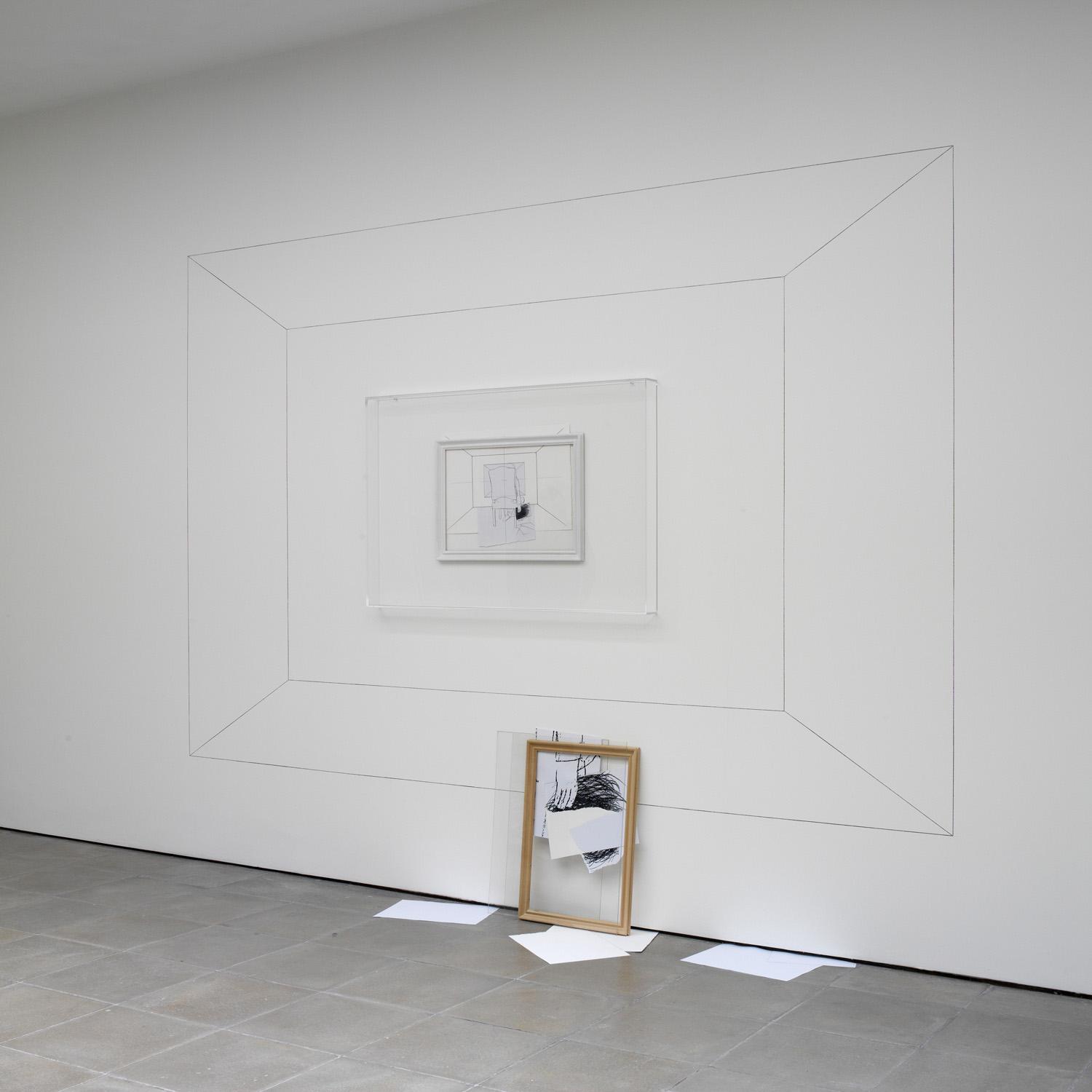
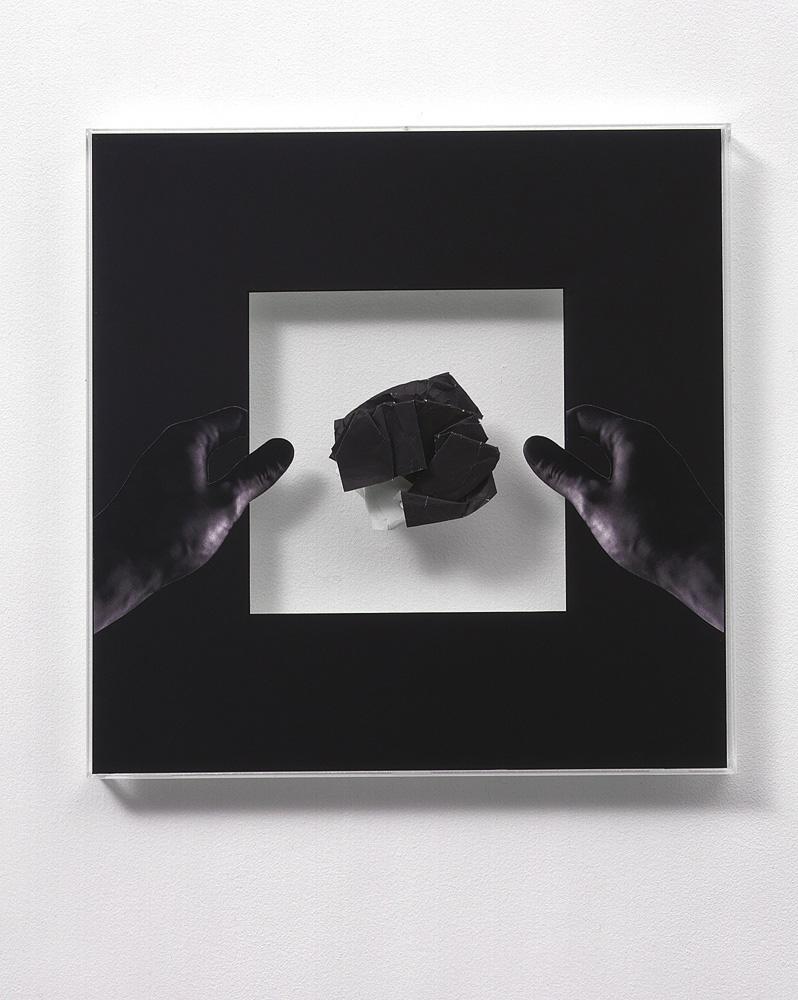
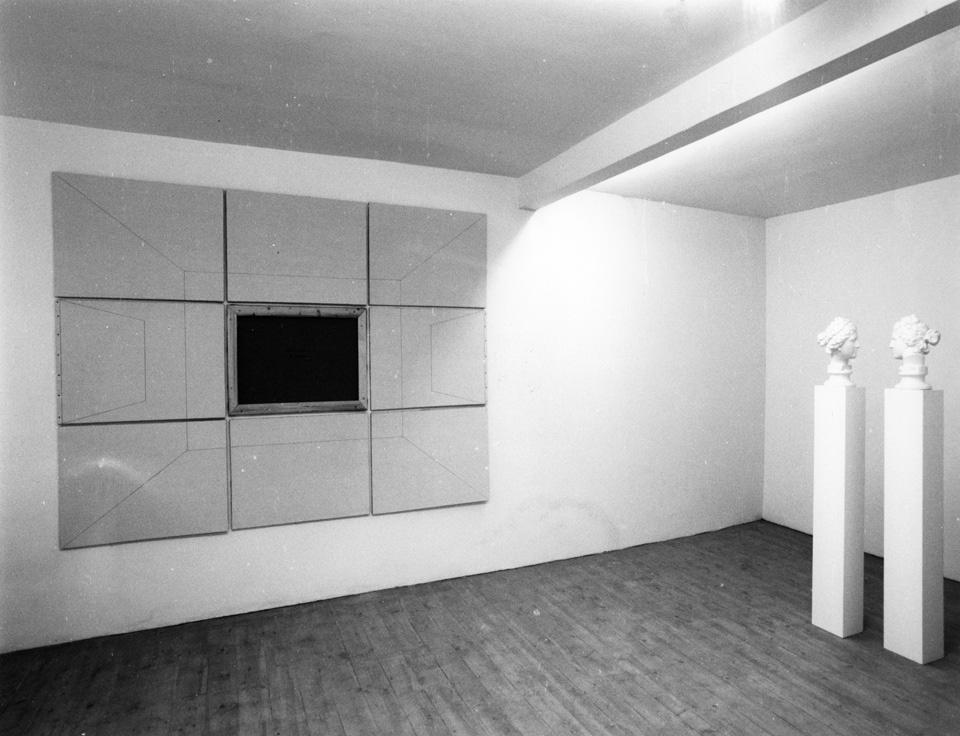
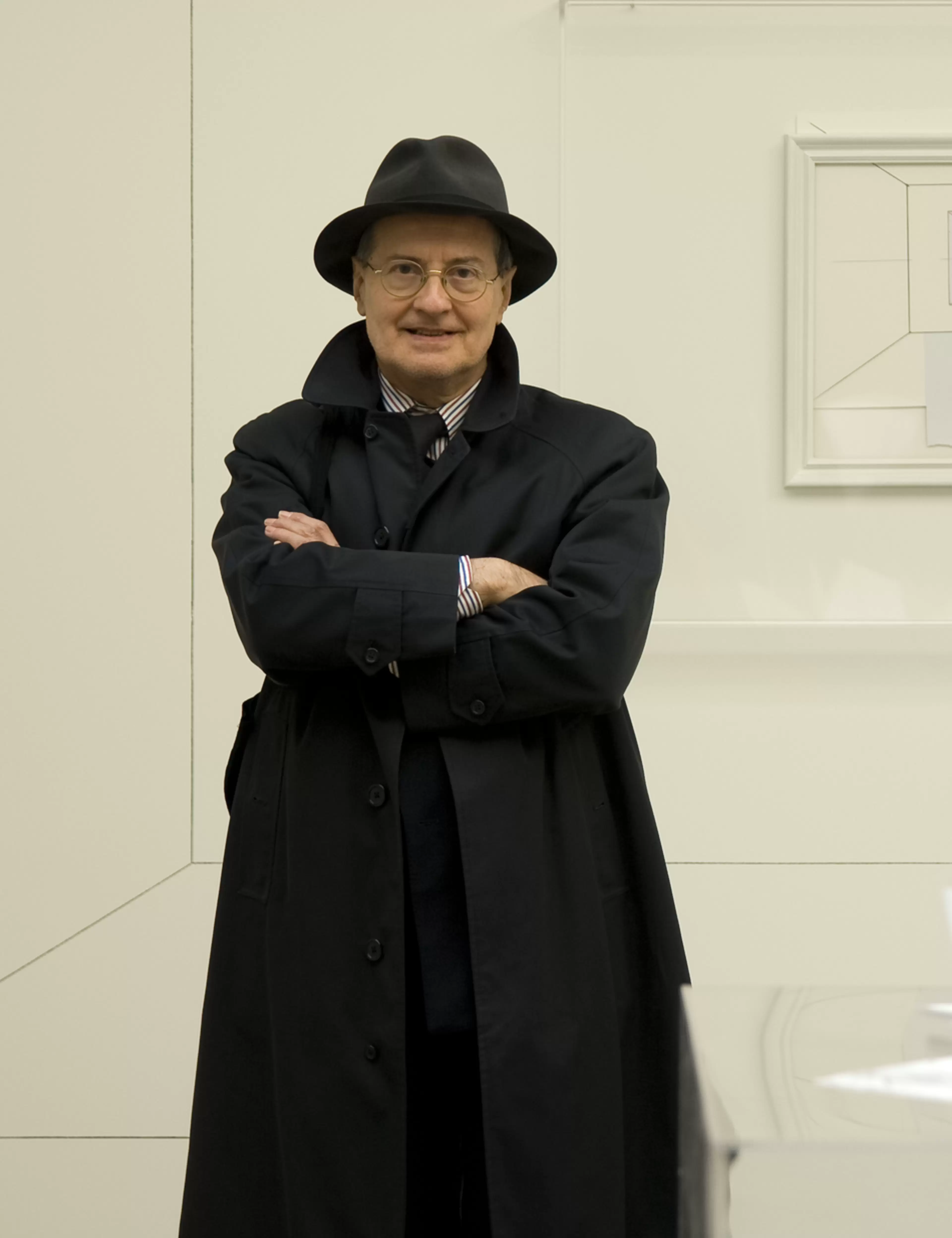
Often linked to the Arte Povera movement, Giulio Paolini is best known
for an artistic practice that is inscribed in a more strictly conceptual
sphere. From the outset of his career, Paolini has developed a complex
research centred as much on the artist’s tools as on the figure of the
artist as an operator of language and accomplice of the viewer. The main
characteristics of his artistic expression include citation, duplication
and fragmentation, which are used as expedients for staging the
distance between a finished model for making the work a ‘theatre of
evocation.’ Articulated and composed designs, centred on additive
dynamics (ordering, repetition, juxtaposition) and centrifugal forces,
(explosions and dispersions starting from the centre) or centripetal ones
(concentration, superimposition, joining), accompany the procedures
drawing from a vast store of cultural mythologies and memories that
are recaptured in photography, collage and plaster casts. More recently,
Paolini’s incessant investigation of the definition and purpose of the work
has been insistently concerned with the act of exhibiting, which he sees
as the fundamental moment of encountering the work.
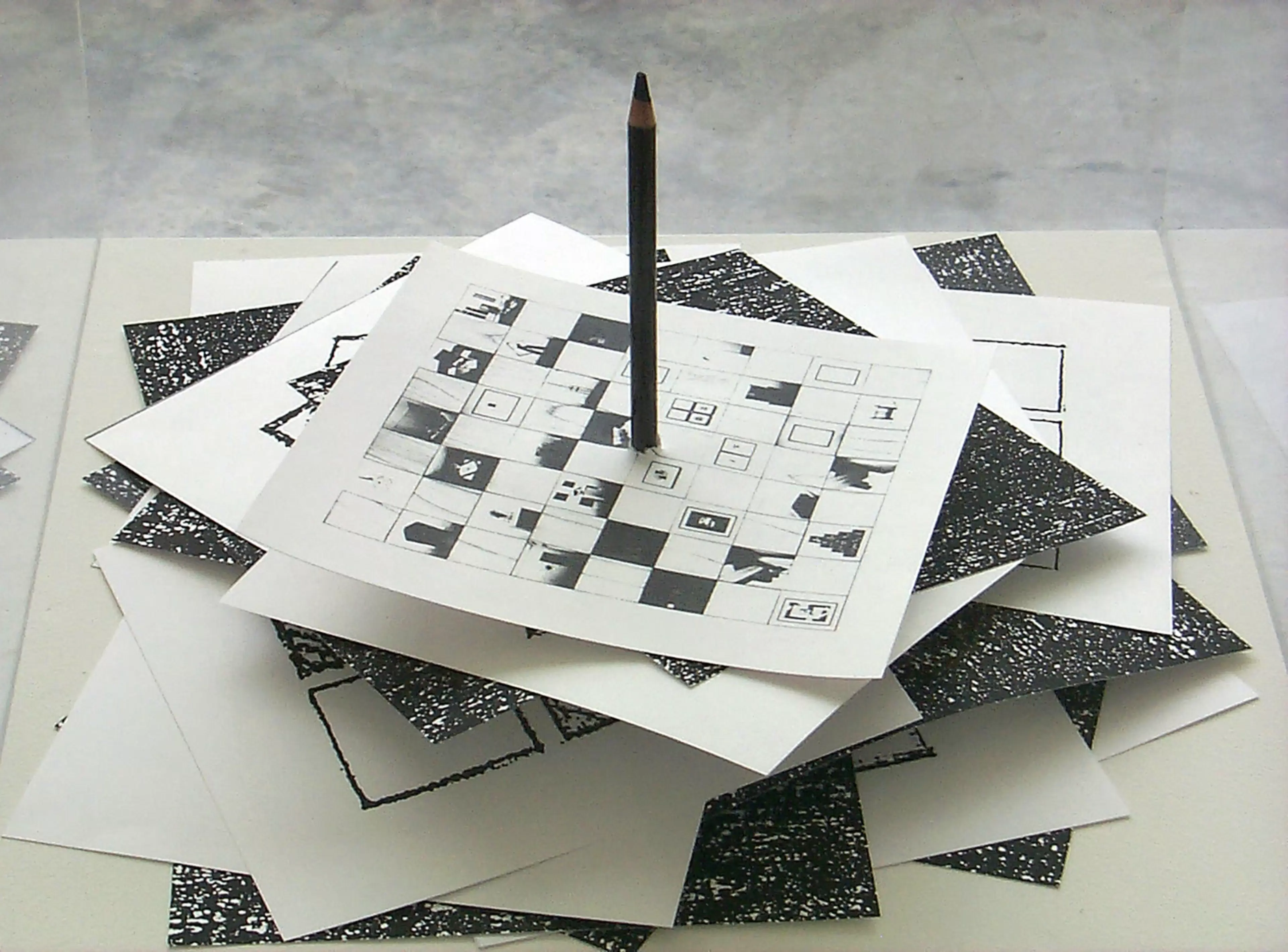
![Immacolata Concezione. Senza Titolo/Senza Autore [Immaculate Conception Without title/Without author] by Giulio Paolini](/_next/image?url=https%3A%2F%2Flisson-art.s3.amazonaws.com%2Fuploads%2Fattachment%2Fimage%2Fbody%2F1135%2FImmacolata_Concezione_2008.jpg&w=3840&q=75)
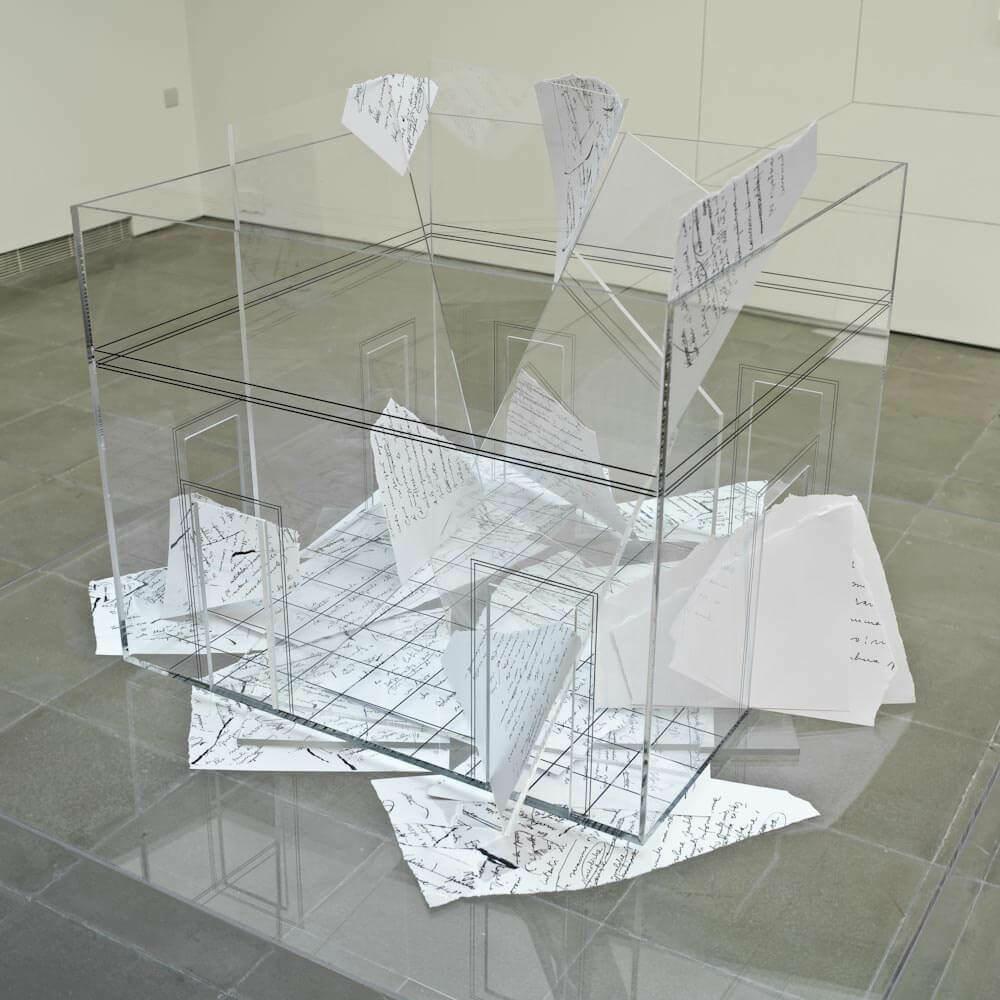
![Apocalisse da camera [Chamber Apocalypse] by Giulio Paolini](/_next/image?url=https%3A%2F%2Flisson-art.s3.amazonaws.com%2Fuploads%2Fattachment%2Fimage%2Fbody%2F1131%2FApocalisse_da_camera_2008.jpg&w=3840&q=75)
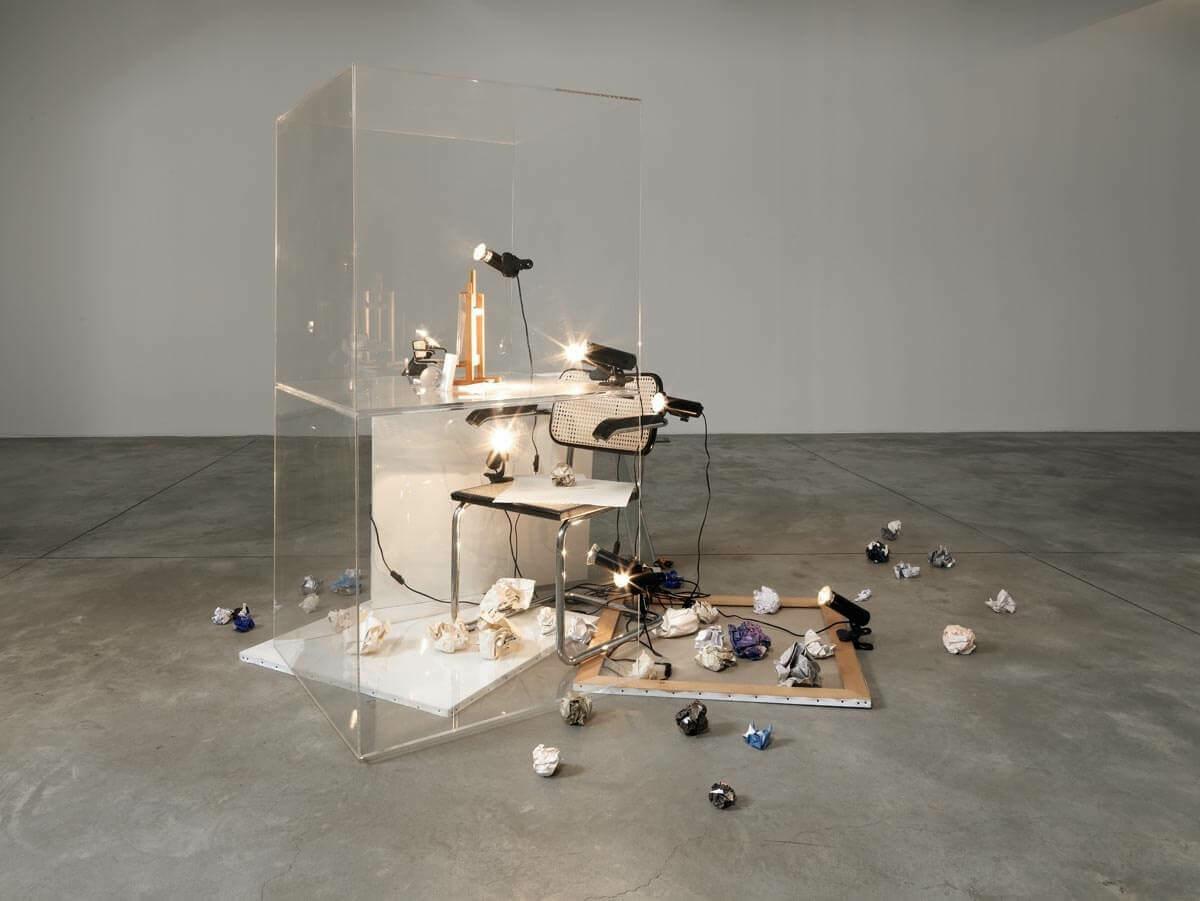
![Niente e subito [nothing now] by Giulio Paolini](/_next/image?url=https%3A%2F%2Flisson-art.s3.amazonaws.com%2Fuploads%2Fattachment%2Fimage%2Fbody%2F1136%2FNiente_e_subito_2006.jpg&w=3840&q=75)