Tony Bechara
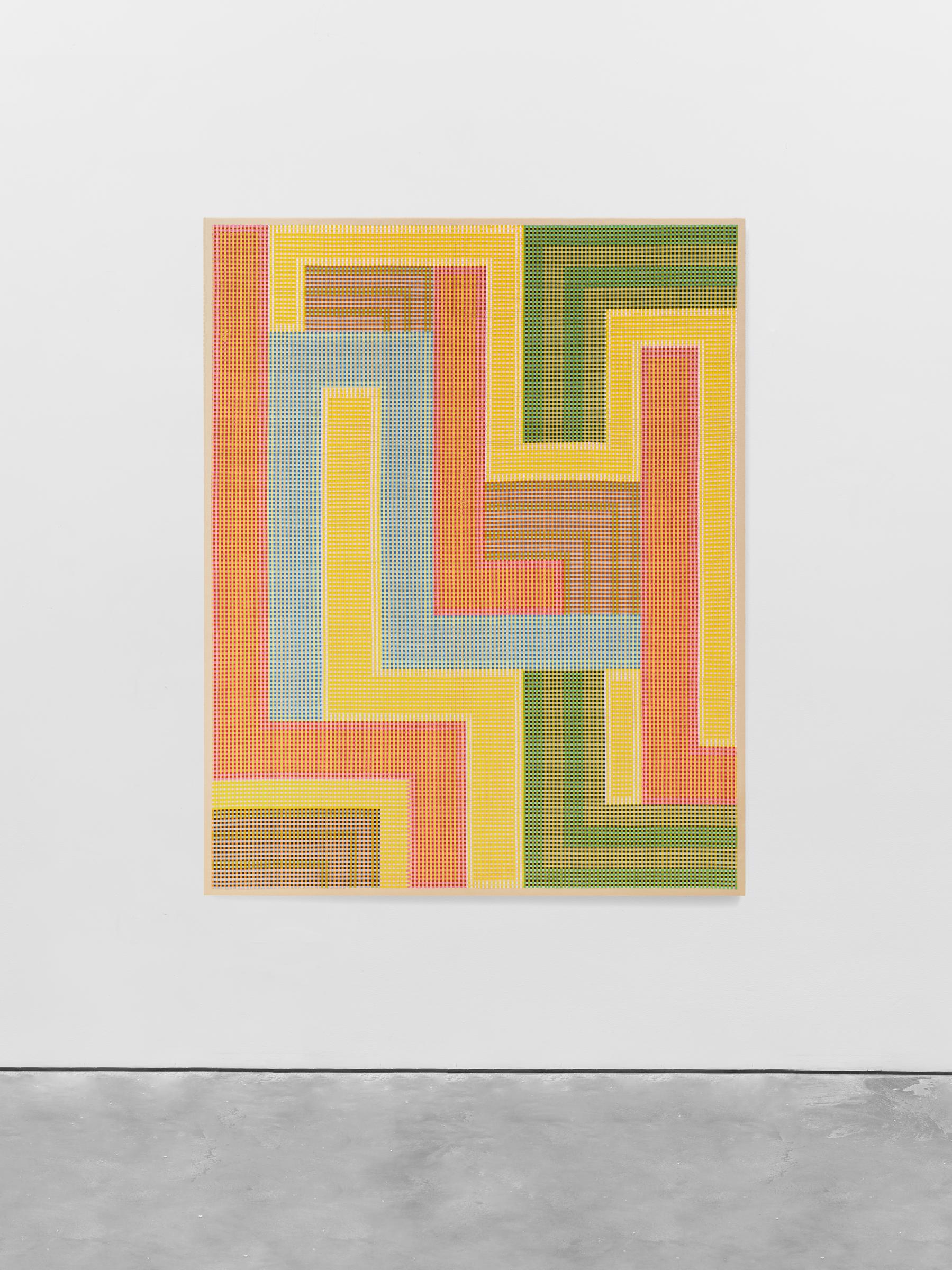
Abstract Composition,
Acrylic on canvas
208.6 x 166.4 x 2.9 cm
82 1/8 x 65 1/2 x 1 1/8 in
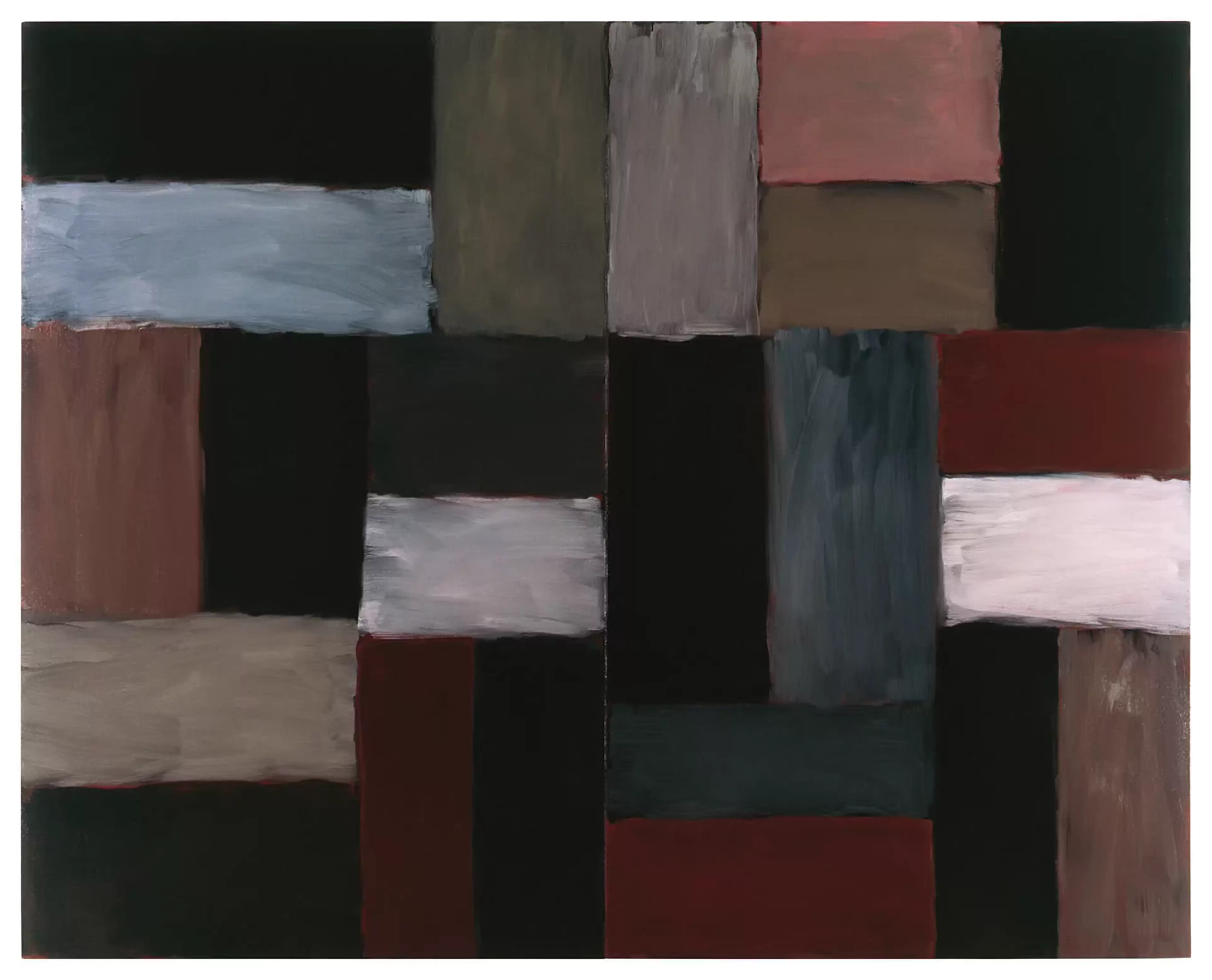
Sean Scully Featured in ‘Ground Zero 360 – Remembrance’ at the New York City Fire Museum
‘Cézanne et nous’ at the Grand Palais, Paris, 23 September 2026 – 17 January 2027
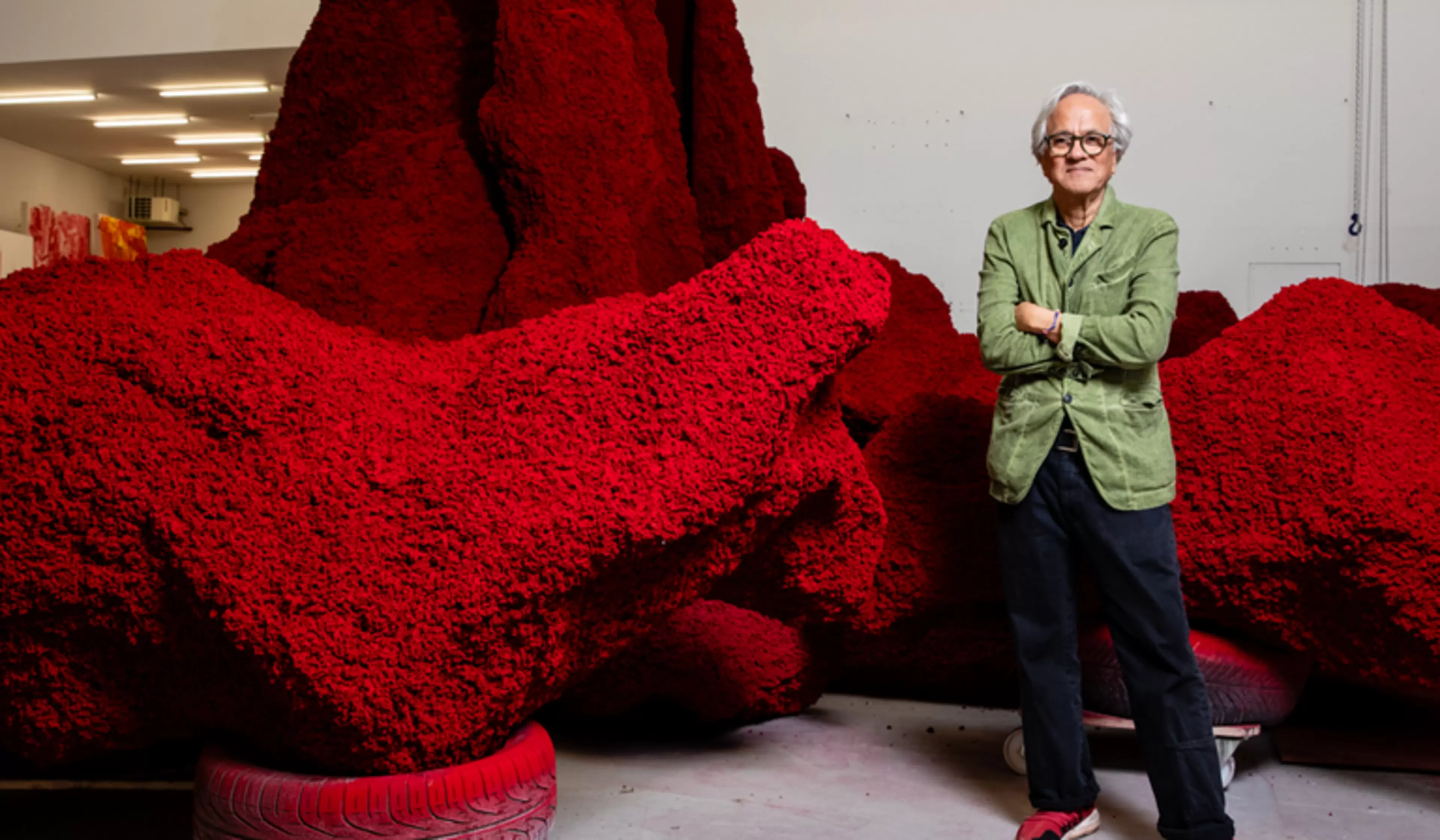
‘The cosmic paradox of Anish Kapoor’ - Prospect Magazine
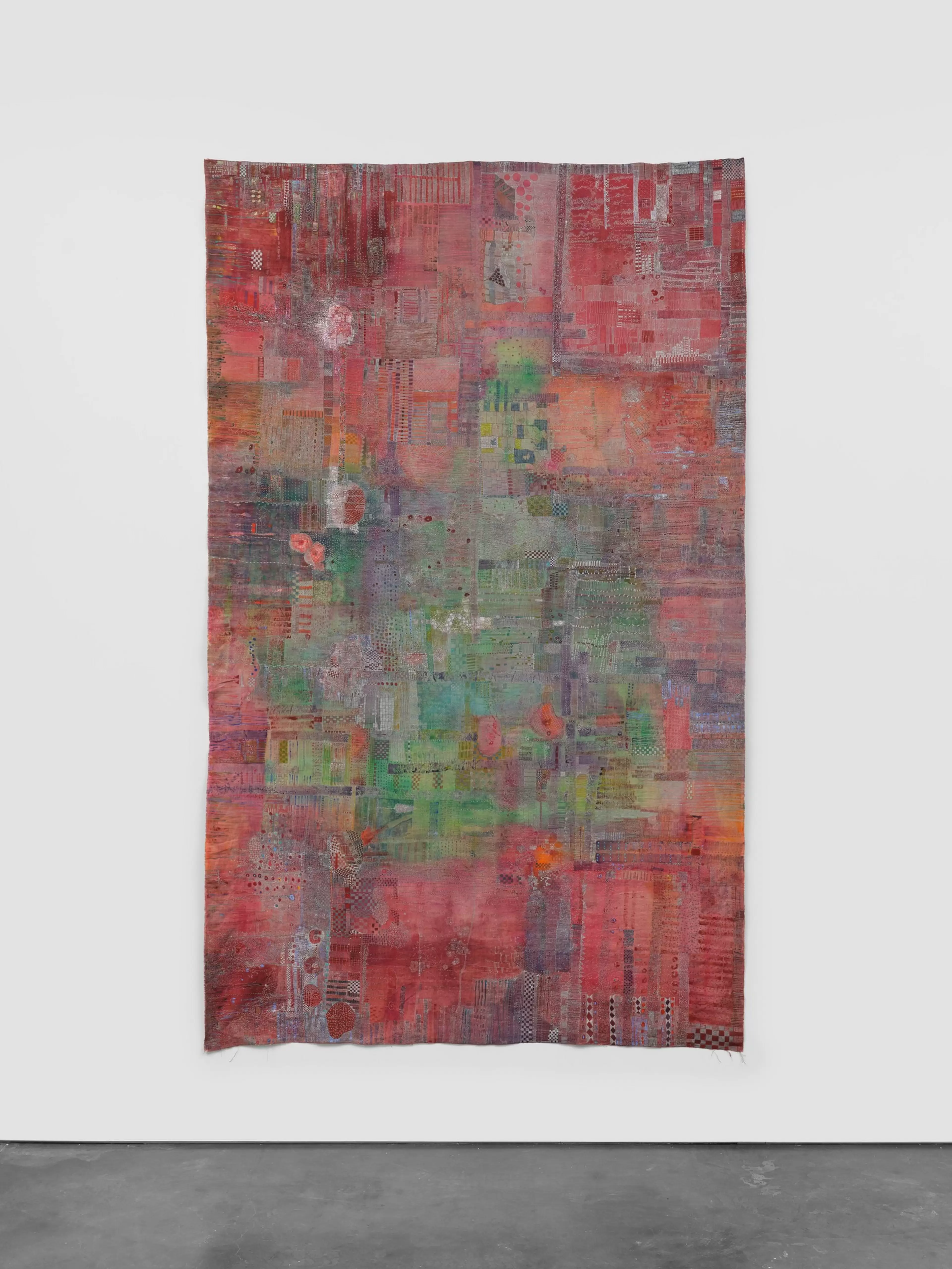
‘Huguette Caland: A Life in a Few Lines’ at the Hammer Museum

'Ha Chong-Hyun: 'The technique was revolutionary'
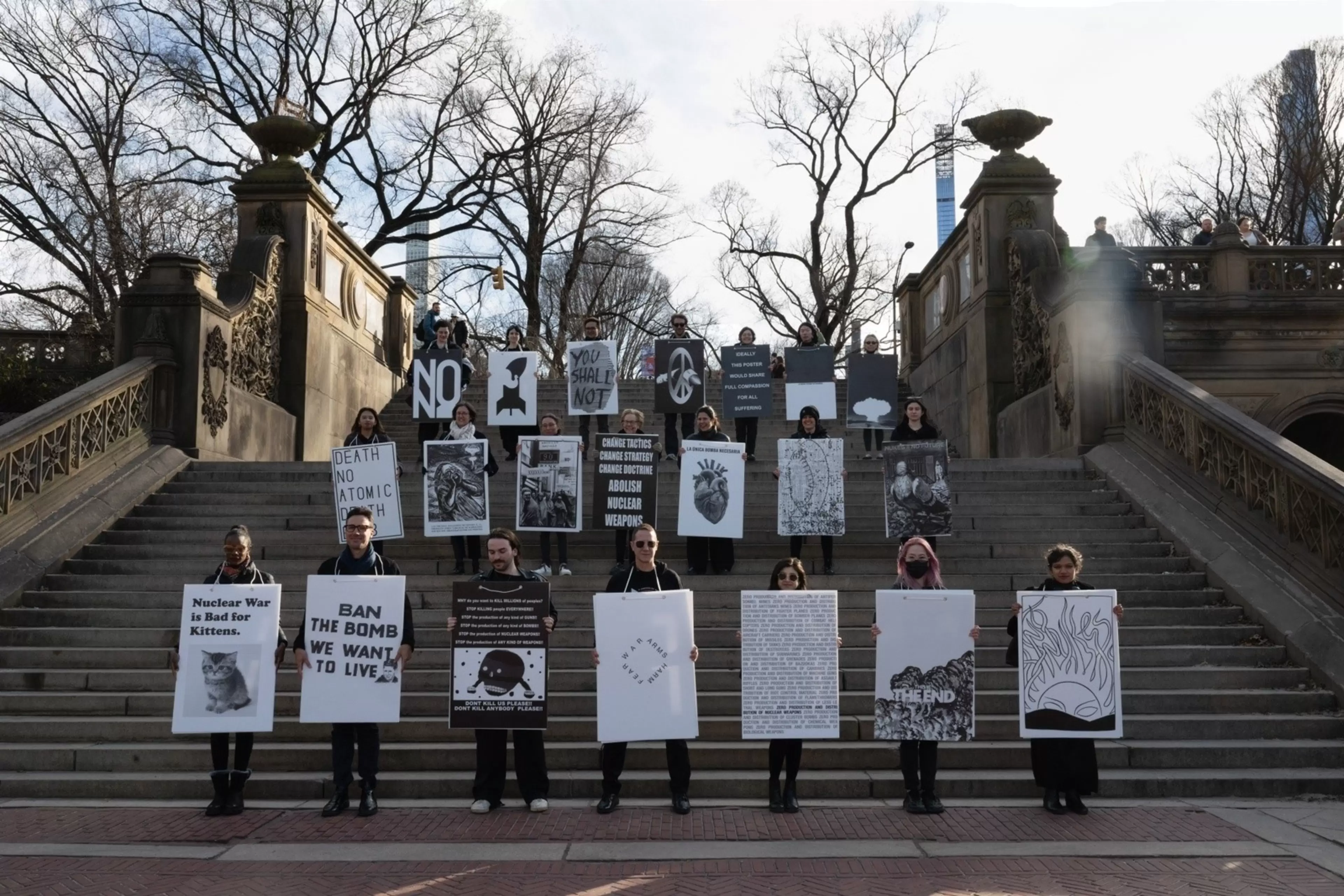
Pedro Reyes Featured in ‘Homeroom: Artists Against the Bomb’ at MoMA PS1
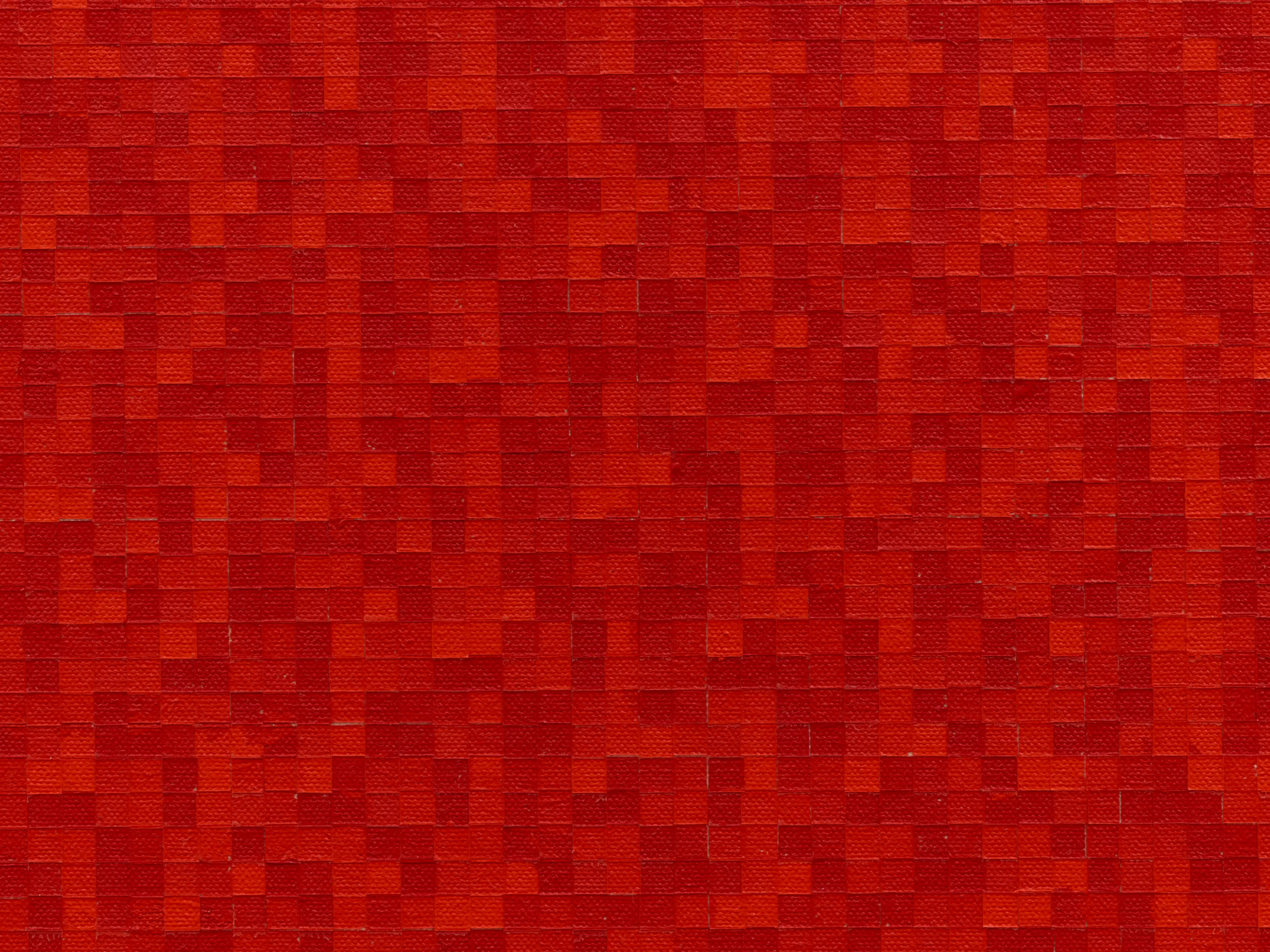
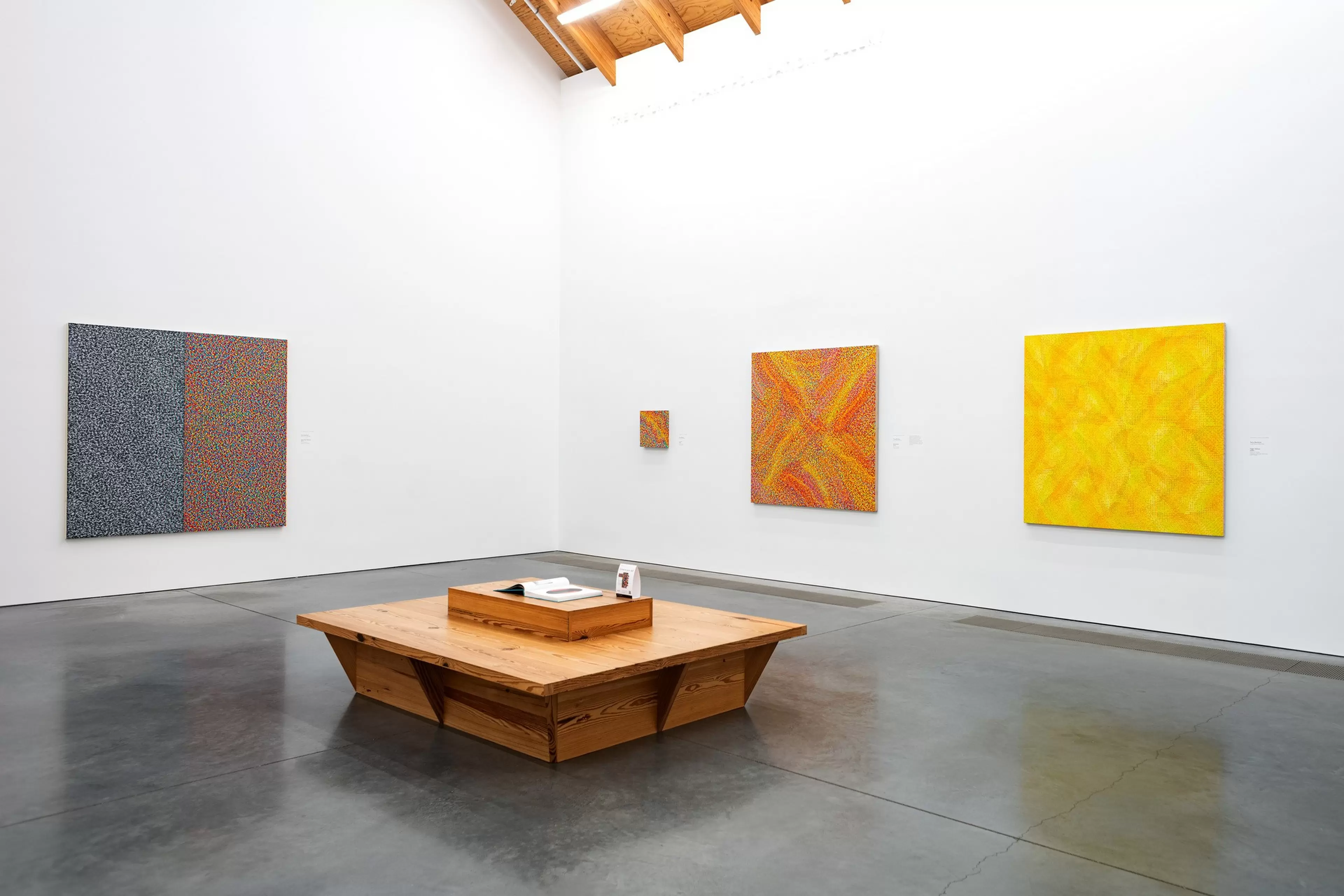
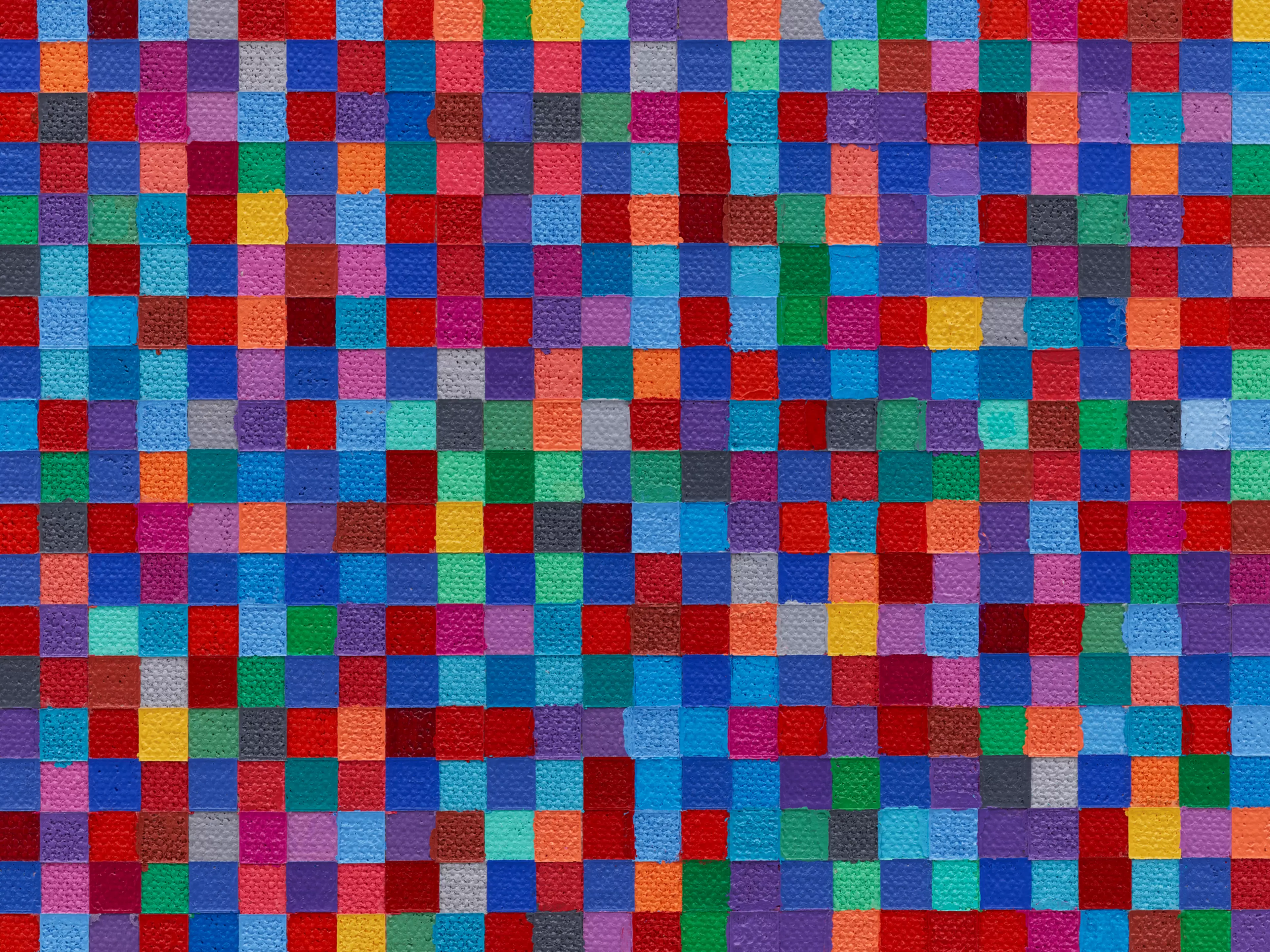
Tony Bechara’s playful and invigorating optical surfaces, made up of a multitude of small coloured units, are determined by a process that is systemic but designed to allow combinations to emerge by chance.
Tony Bechara’s (1942-2025) dynamic, color-saturated paintings create a pure field of physical perception. Each canvas is meticulously painted with multicolor areas of quarter-inch squares. Using strips of masking tape, Bechara arranges carefully formulated hues into a playful and invigorating optical surface, made up of a multitude of small colored units. The work’s overall rhythm is determined by a process that is systemic but designed to allow combinations of color to emerge by chance. Bechara cites influences across art history, including the colors of Matisse and Vuillard, the pointillism of Seurat and Signac, traditions of weaving and crafting, the precision of hard-edge abstraction, and the famed Byzantine-era mosaics at Ravenna. These influences are evidenced in Bechara’s approach to painting: he uses a tile-like grid as the basis for his explorations into the principles of color usage, particularly the intersection of organization and randomness. The division of the surface of the painting into small modular boxes is similar to pixels; the gaze is constantly in motion. Bechara presents the viewer with their retinal and neurological relationship to color, balancing one’s immediate impression of hue and the overarching logic of pattern.
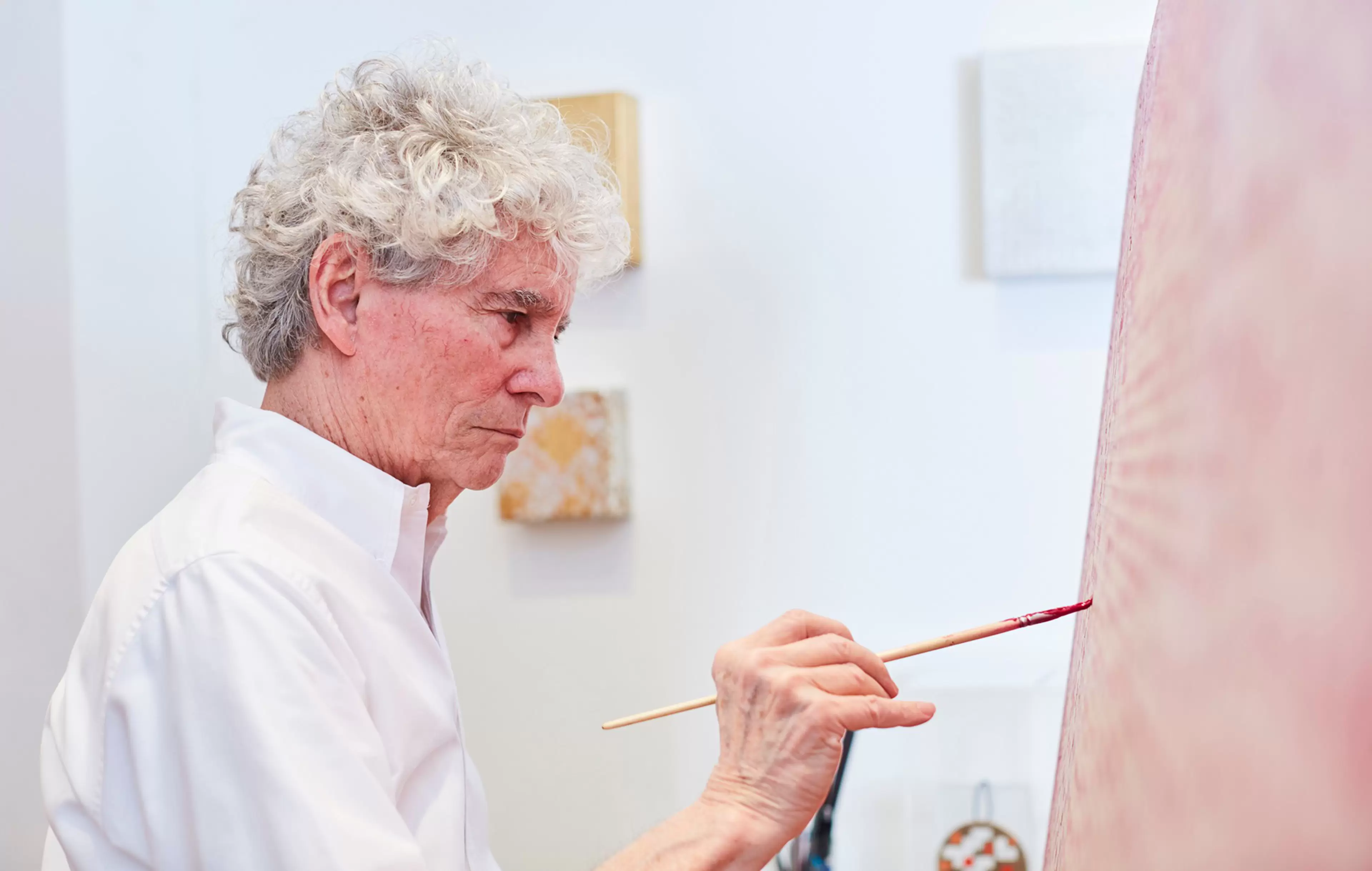
“Since I have the grid as a structure, I trust each painting to tell me what to do, how to be more random, or less random. It is always the surprise element that I find alluring.”
Tony Bechara
Acrylic on canvas
208.6 x 166.4 x 2.9 cm
82 1/8 x 65 1/2 x 1 1/8 in
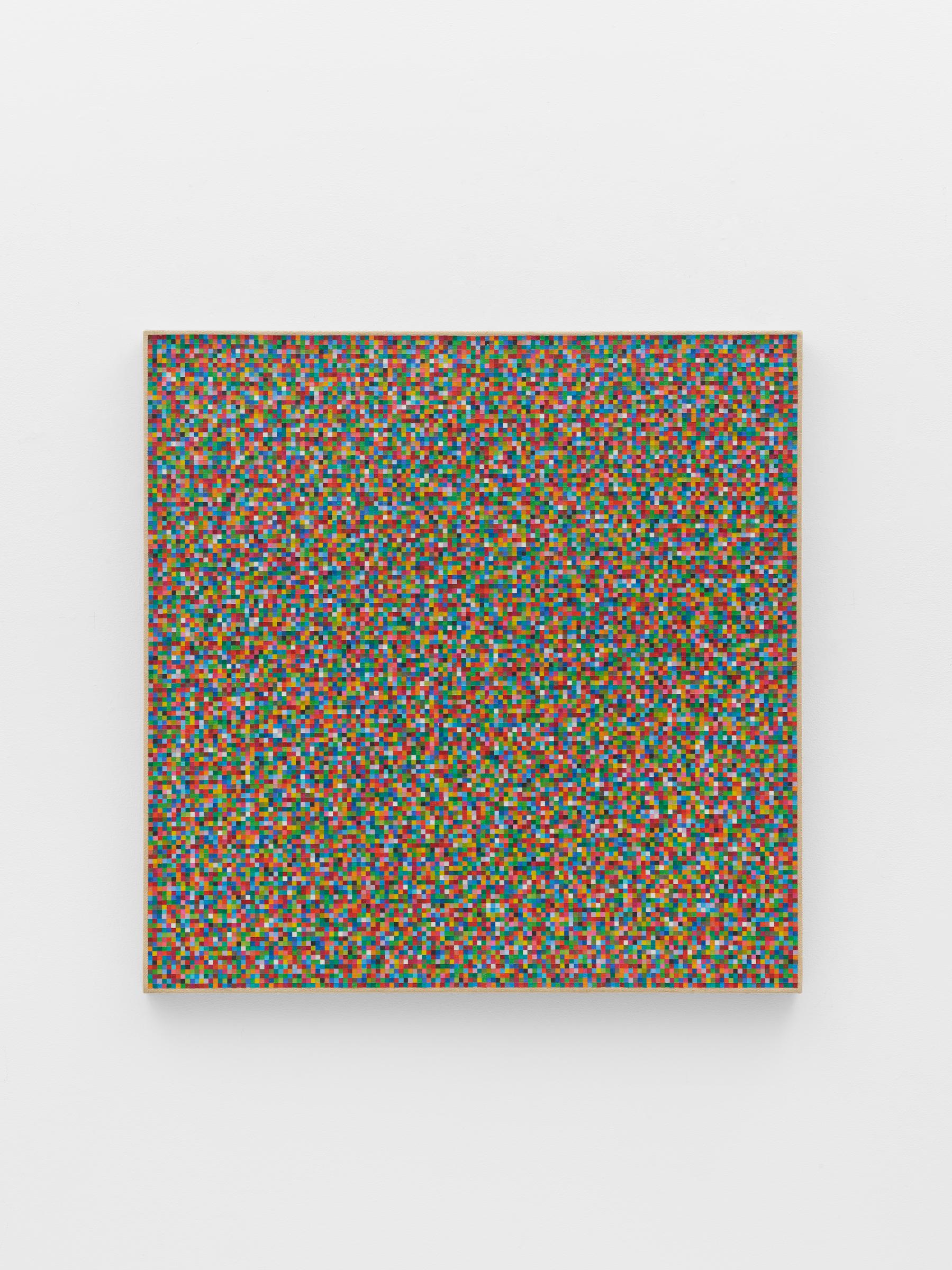
Tony Bechara
Acrylic on canvas
91.4 x 91.4 cm
36 x 36 in
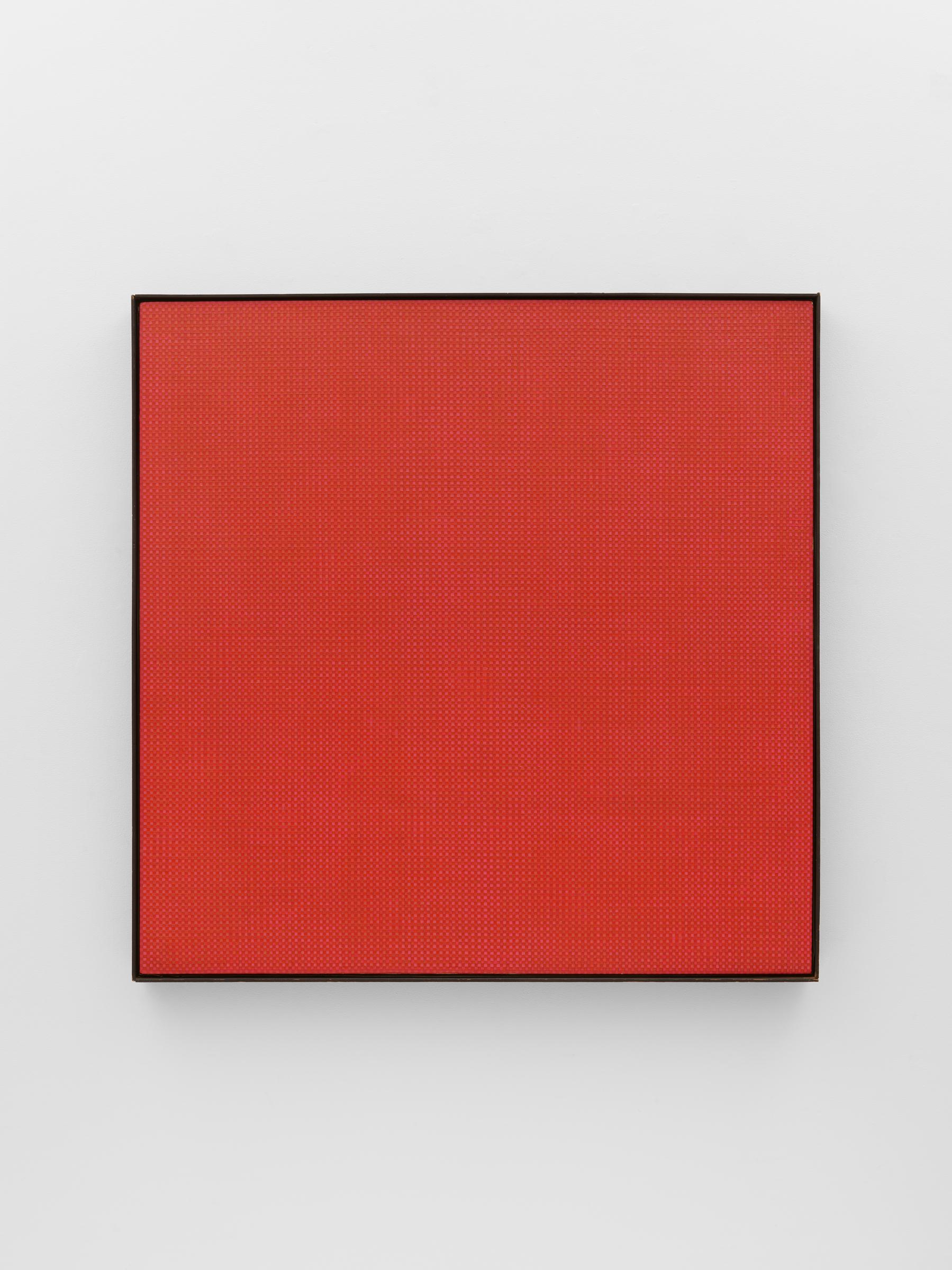
Tony Bechara
Acrylic on canvas
132.1 x 132.1 cm
52 x 52 in
Framed: Artist made frame: 135.3 x 135.3 x 6.4 cm
Framed: Artist made frame: 53 1/4 x 53 1/4 x 2 1/2 in
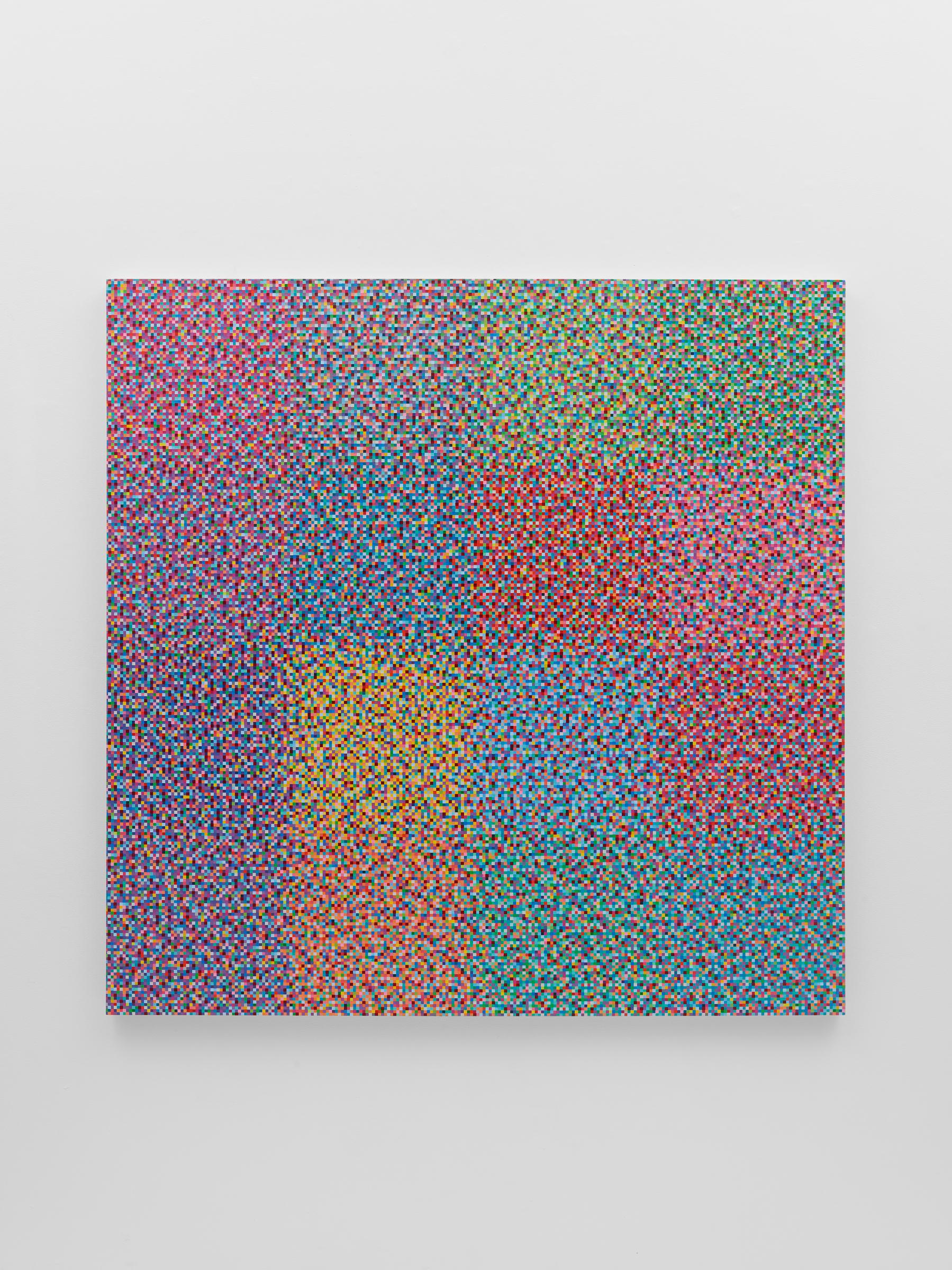
Tony Bechara
Acrylic on canvas
152.4 x 152.4 x 3.8 cm
60 x 60 x 1 1/2 in
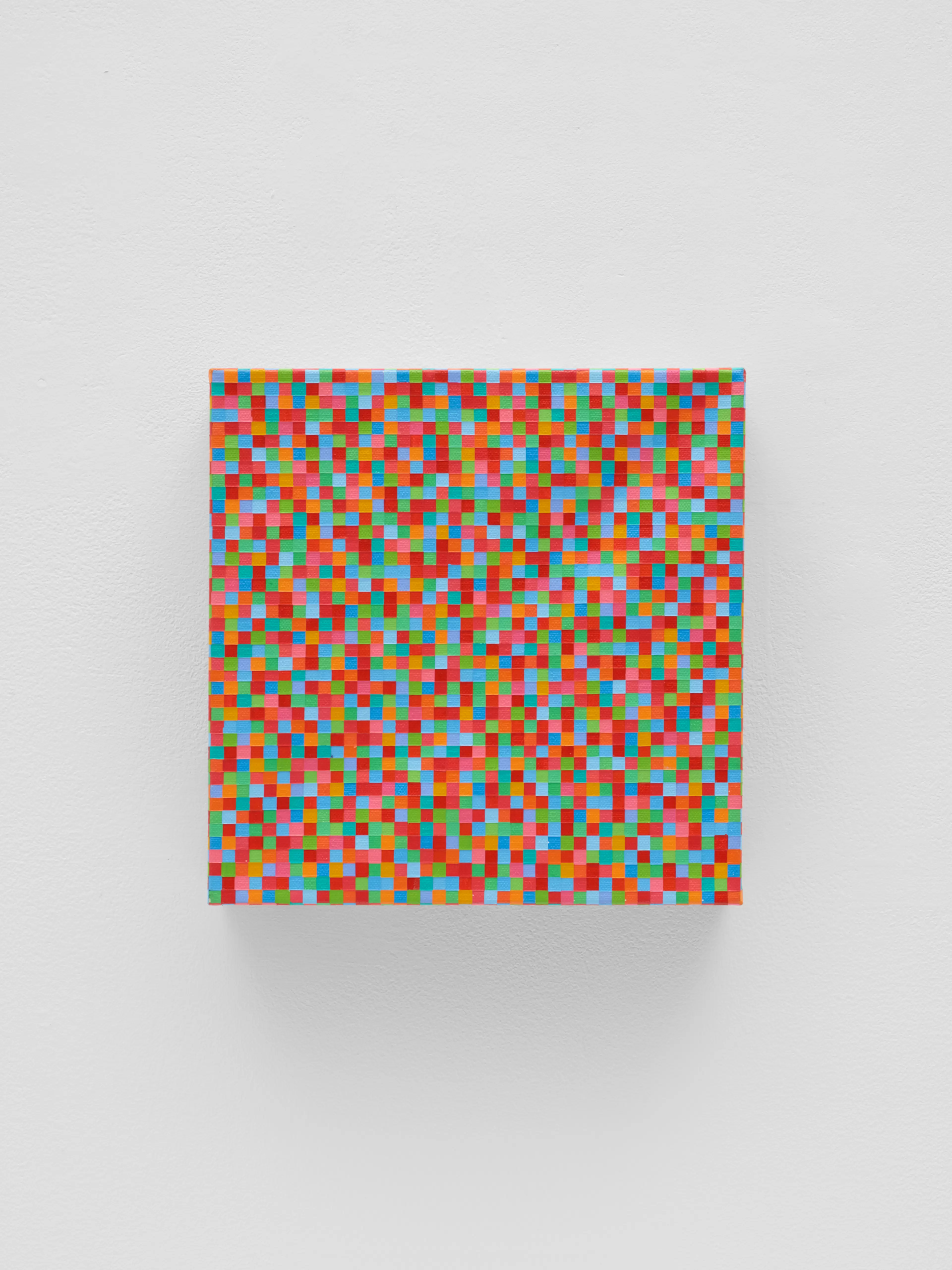
Tony Bechara
Acrylic on canvas
25.4 x 25.4 x 5.8 cm
10 x 10 x 2 1/4 in
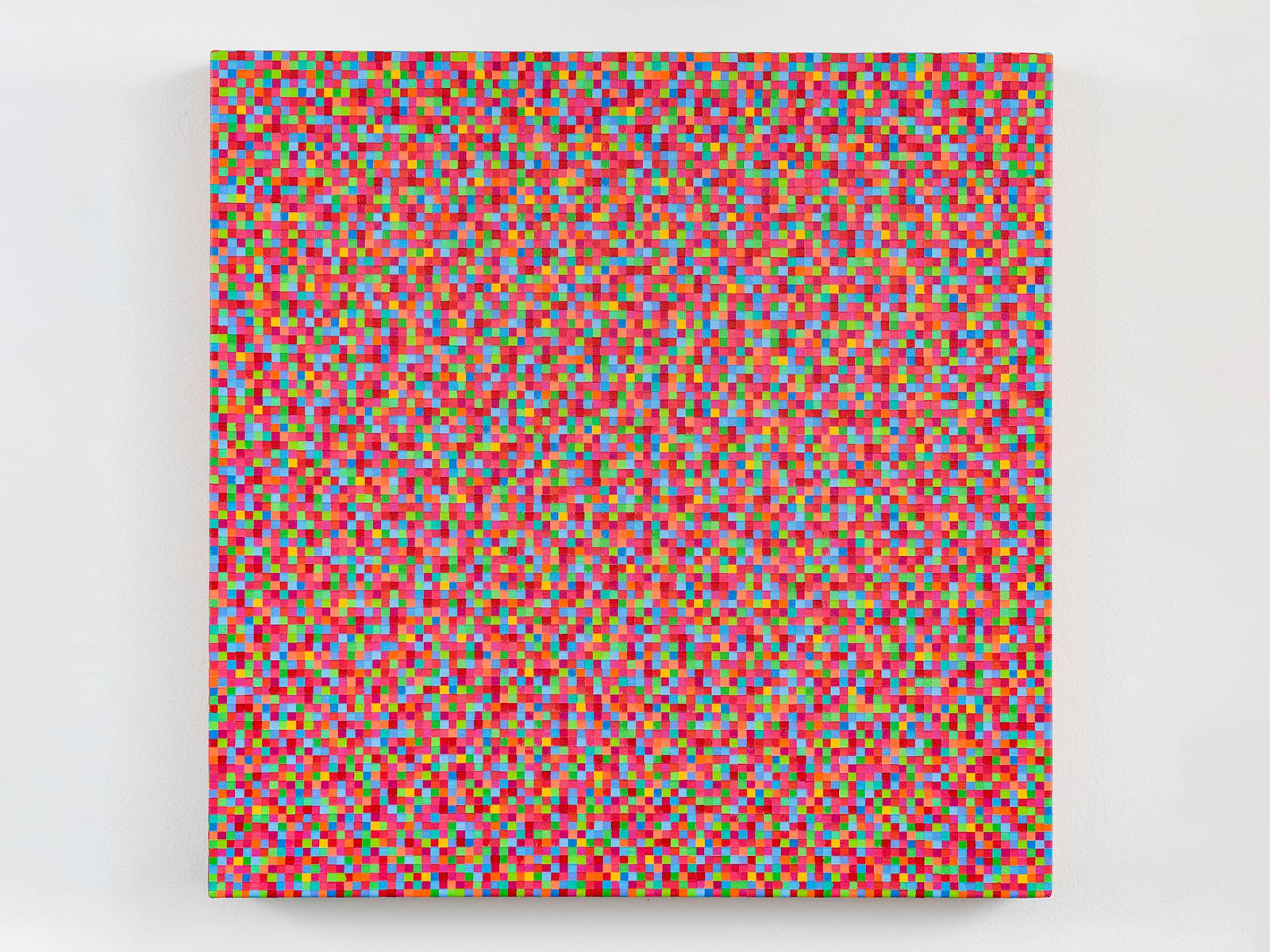
New York, 2024
gallery
2024