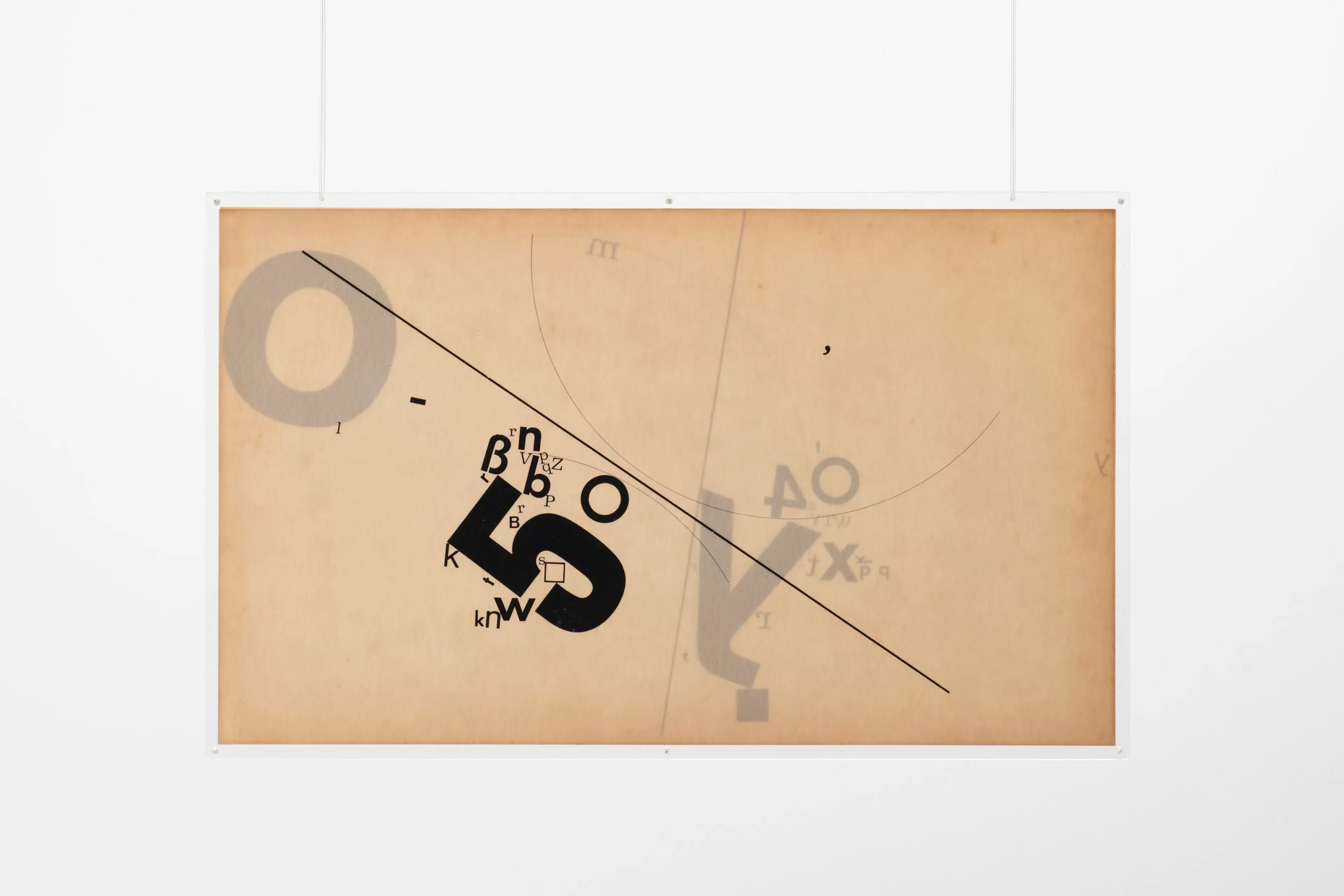
![Objetinho Gráfico [Little Graphic Object] by Mira Schendel](https://d7ra36y65tyn0.cloudfront.net/image/553853451406/image_9qge80n8g977v88tcg0u9hki3e/-S3840x-FWEBP)
Mira Schendel
Objetinho Gráfico [Little Graphic Object], 1971
China ink and Letraset on paper, on acrylic
19.1 x 30.5 cm
7 ½ x 12 in
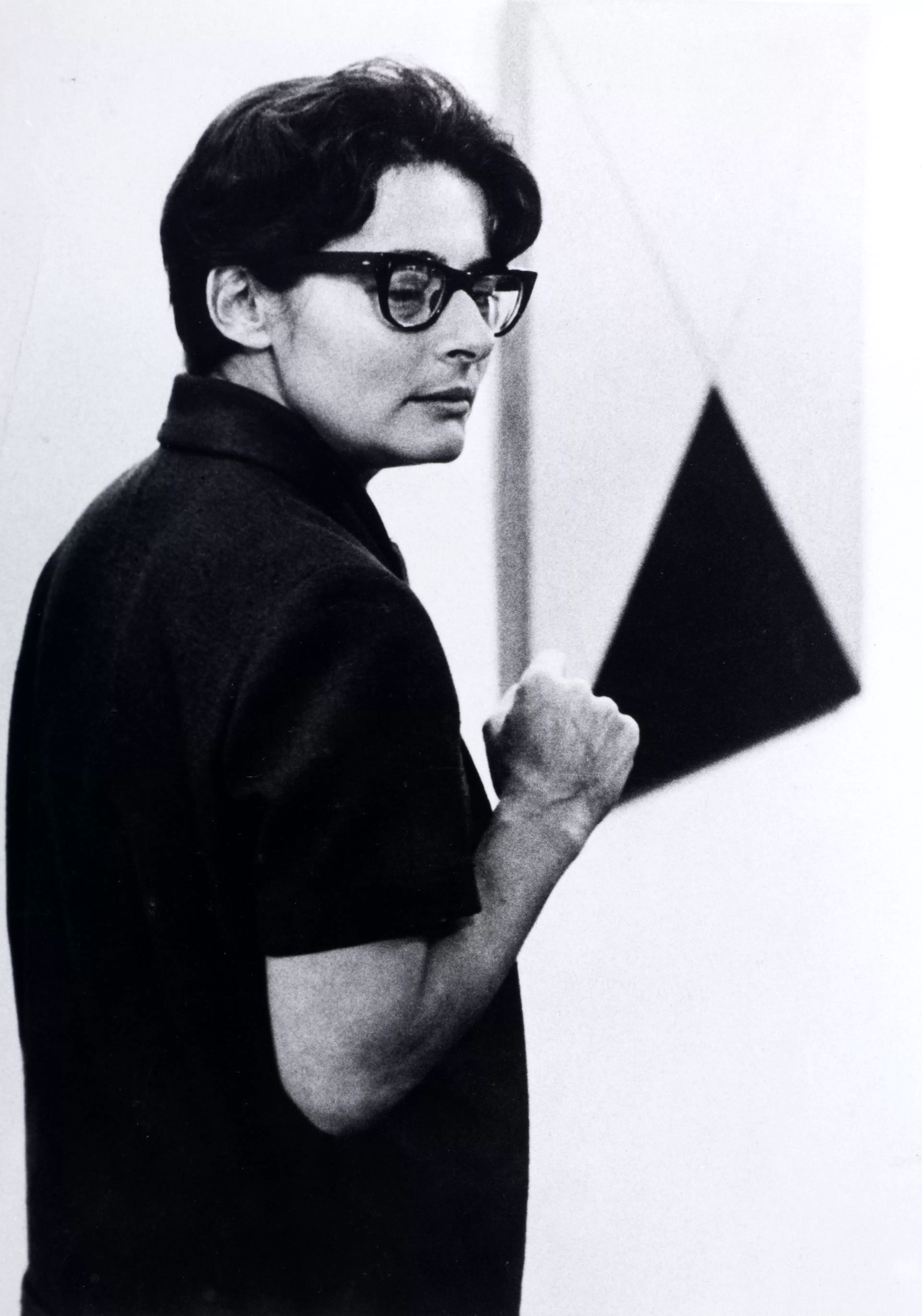
Announcing Representation of the Estate of Mira Schendel
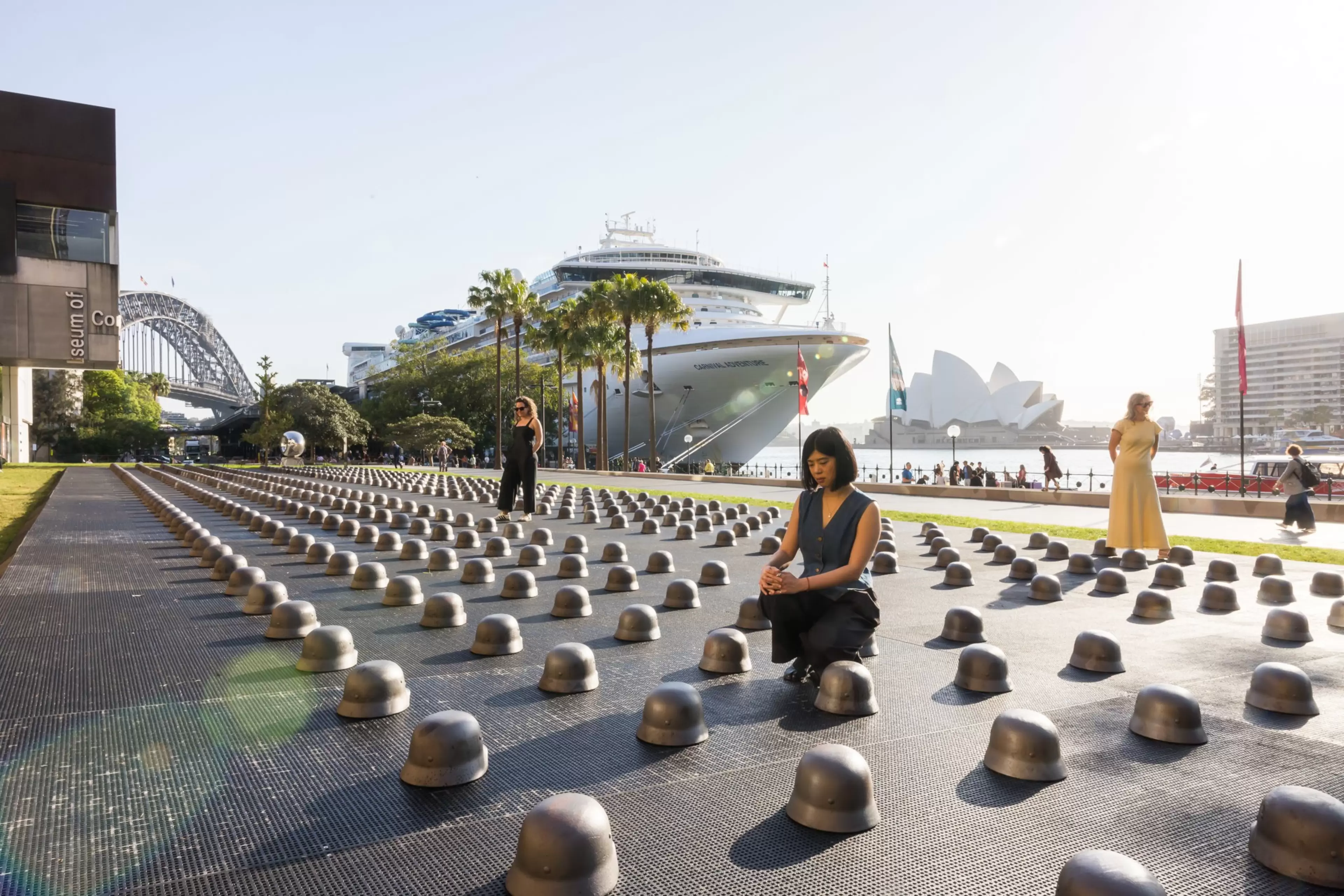
Ai Weiwei unveils ‘Mushrooms’ at MCA Australia for the 2026 Neil Balnaves Tallawoladah Lawn Commission
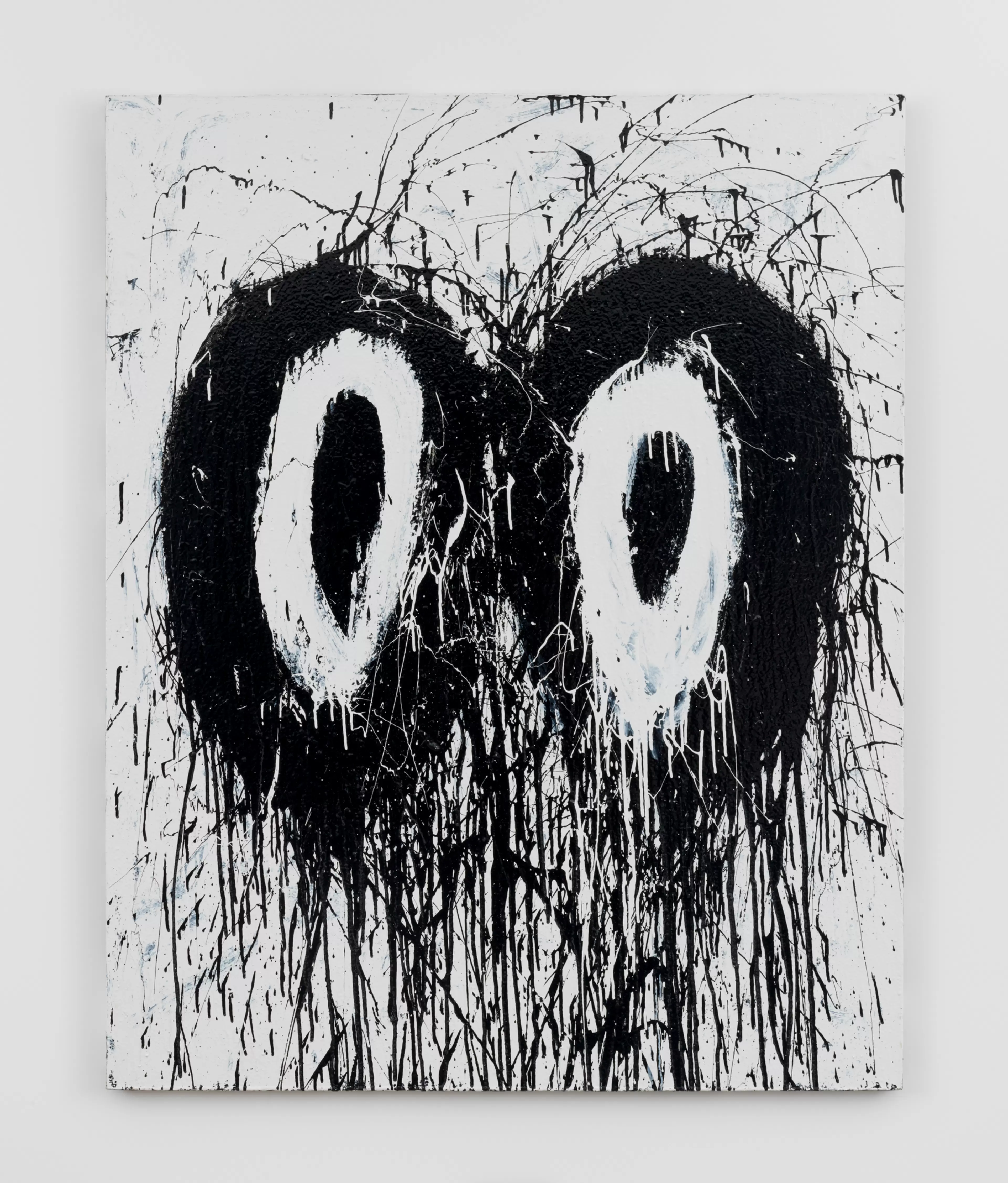
Joyce Pensato: ‘EYES FOR YOU’ at the Falckenberg Collection, Deichtorhallen Hamburg
Lisson Artists Featured in inaugural exhibitions at the Suzhou Museum of Contemporary Art
Lisson Artists Featured in ‘82 Nights Only*’ at Gertie Hub, Chicago
Lisson Artists Featured in ‘Style is the Body Thinking’ at SAIC Galleries, Chicago
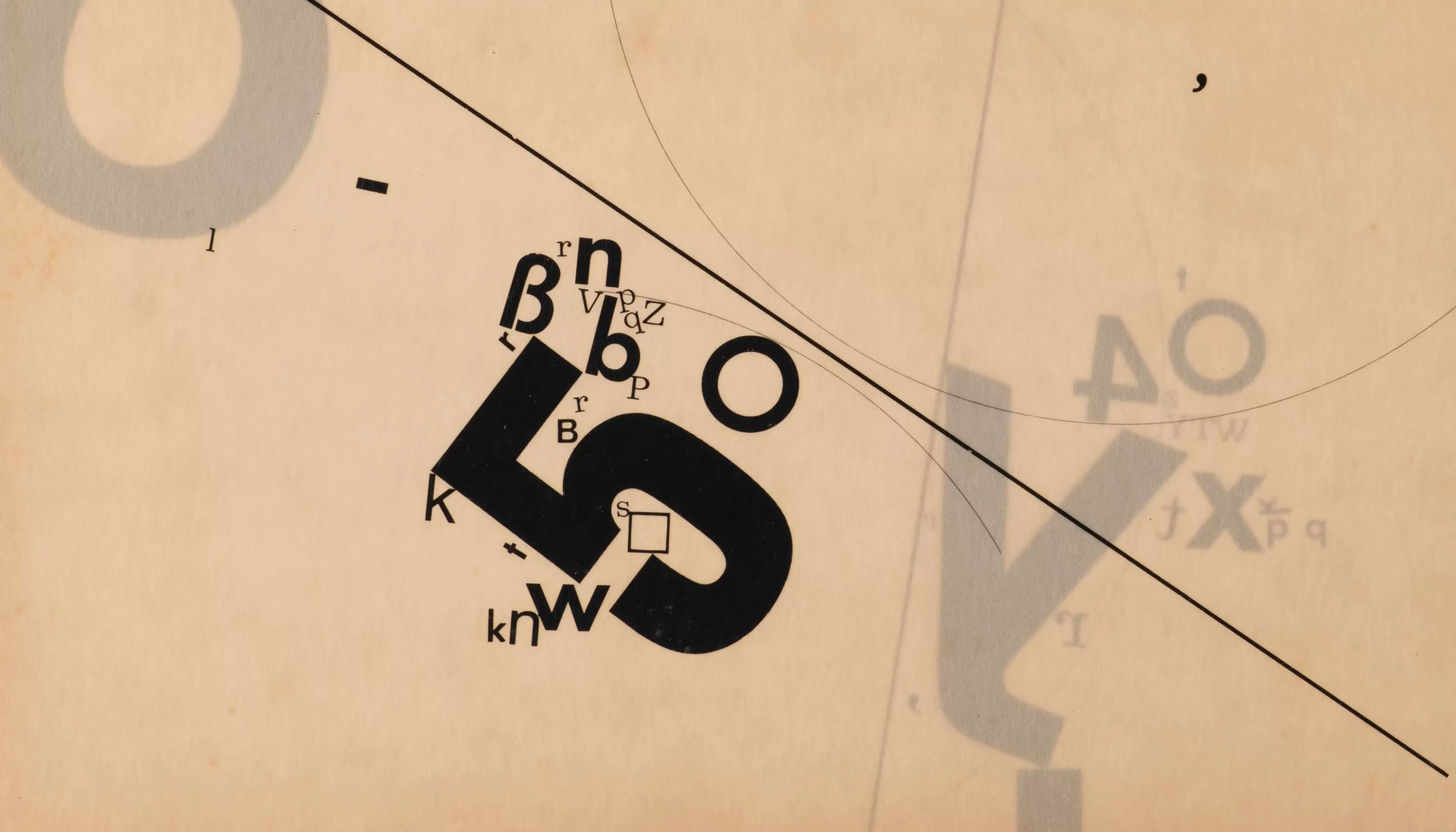
For over four decades, Mira Schendel (1919–1988) developed an expansive practice experimenting across a range of forms and media. Incorporating paper, paint, fabric and acrylic, Schendel established a unique visual language in which letters, numbers, geometric forms and textual fragments oscillate between image and sign. Rather than aligning with any style or artistic movement, Schendel’s oeuvre occupies a singular position in art history, foregrounding the possibility of writing becoming an aesthetic medium, form merging with language, and the boundaries between object and environment continually dissolving.
Beginning with figurative paintings of still lifes, landscapes and interiors, Schendel gained renown for her experiments on paper, most notably her Monotipias (Monotypes). These works emerged following a gift of Japanese rice paper from the physicist and art critic Mário Schenberg, whom she met through São Paulo’s intellectual circles upon her arrival to the city in 1953. In these works, Schendel approached rice paper as a structural material, working directly onto its delicate, translucent surface to form constellations of words and images, or to evoke spatial voids interrupted by occasional lines. Rather than pursuing a fixed narrative or stylistic language, these works remained open-ended and provisional, pushing the delineations between chaos and meaning, and reflecting Schendel’s sustained engagement with philosophy, theology, physics and semiotics.
“My work constitutes an attempt to immortalize fleeting moments and confer meaning to ephemeral things… Therefore, for this endeavor, I must seize the very instant in which the living experience seeps onto the symbol, which in this case is the letter.”
Mira Schendel
China ink and Letraset on paper, on acrylic
19.1 x 30.5 cm
7 ½ x 12 in
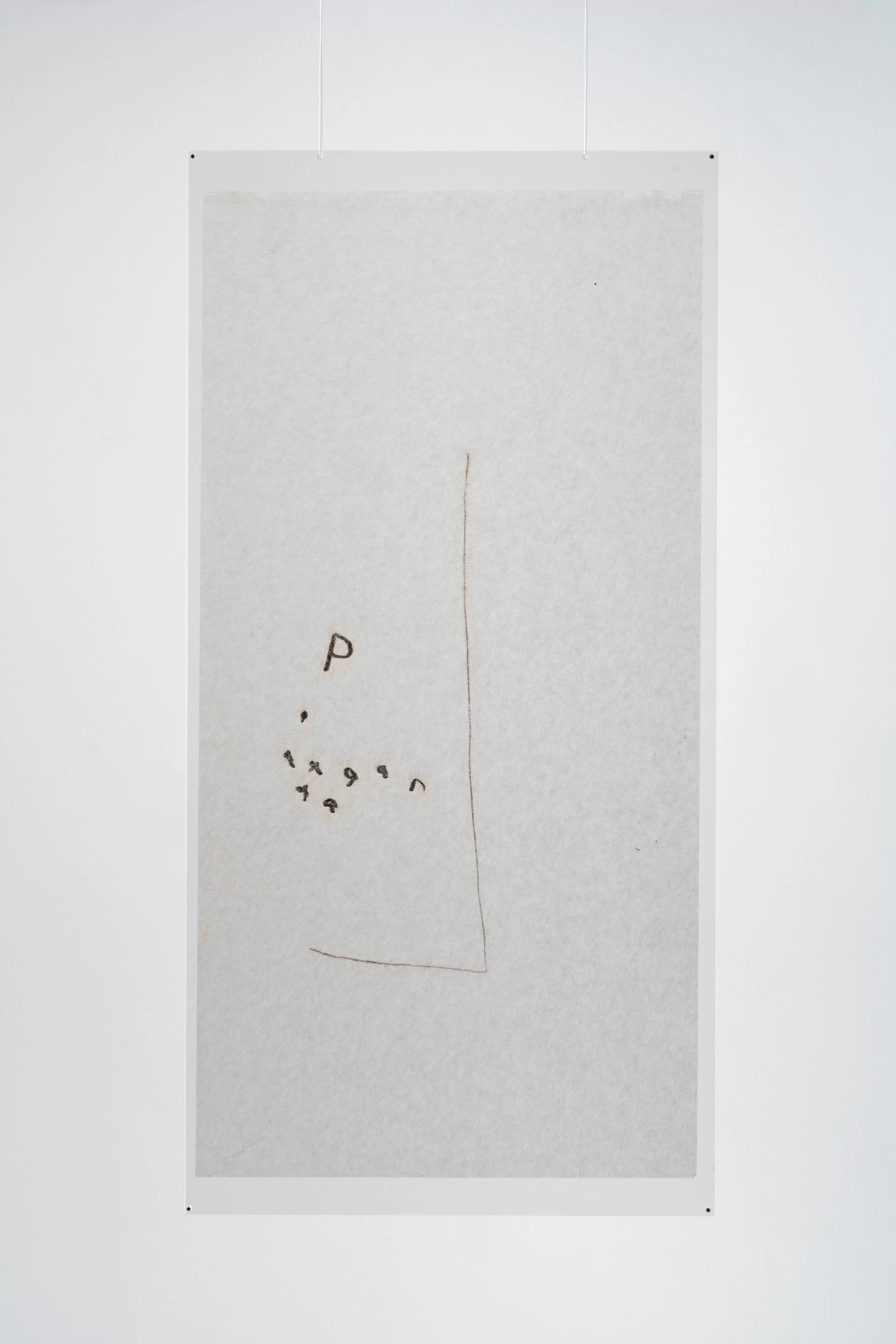
Mira Schendel
Monotype on rice paper
44.5 x 22.9 cm
17 ½ x 9 in
![I Ching (da série Discos) [from the Discs series] by Mira Schendel](https://d7ra36y65tyn0.cloudfront.net/image/553853451406/image_jk682t1vad76v85kofj1kadg5d/-S3840x-FWEBP)
Mira Schendel
Acrylic, Letraset, and screws
21.6 x 6.4 cm
8 ½ x 2 ½ in