Oliver Lee Jackson
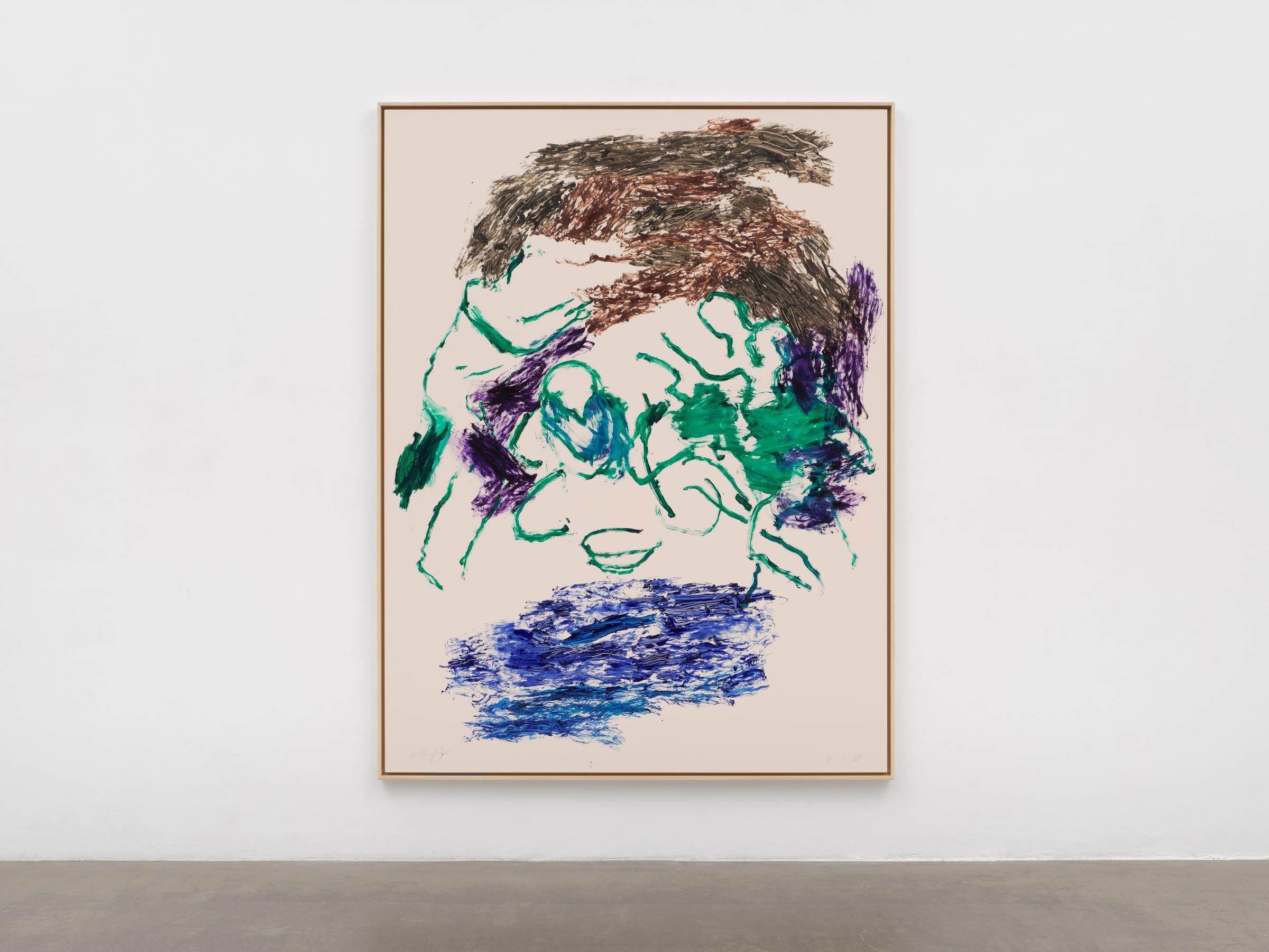
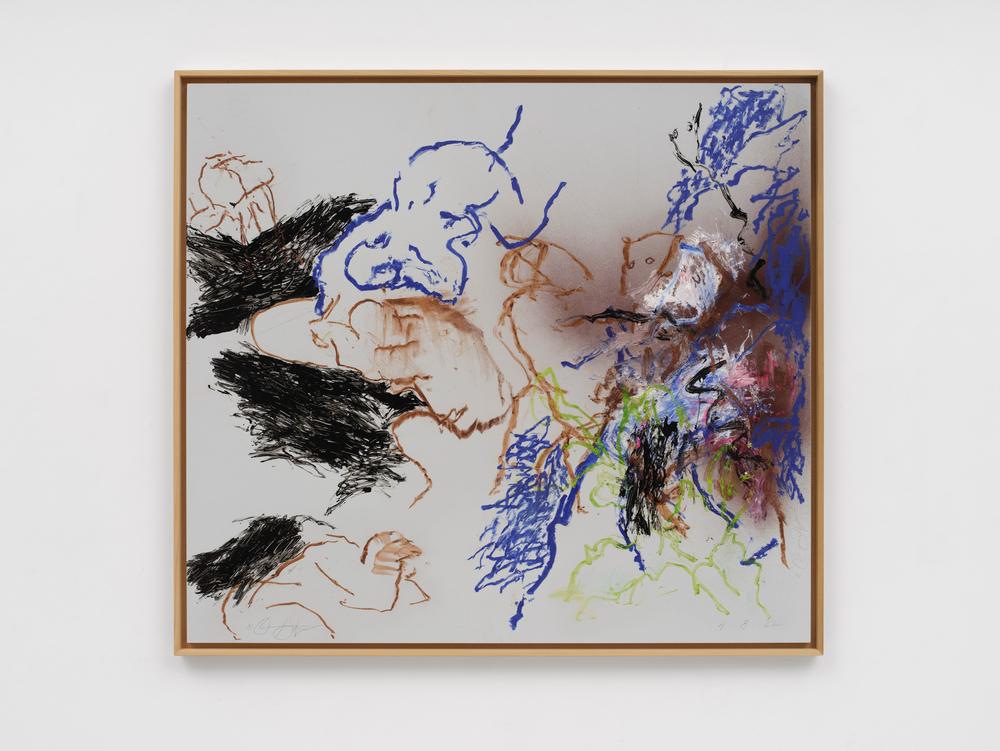
Painting No. 3, 2022 (4.8.22), 2022
Oil enamels, artist oil paints, chalks, oil pastels on panel
109.2 x 123.2 cm
43 x 48 1/2 in
Framed: Framed: 114 x 127 x 5 cm
Framed: Framed: 44 7/8 x 50 x 2 in
Sean Scully Featured in ‘Ground Zero 360 – Remembrance’ at the New York City Fire Museum
‘Cézanne et nous’ at the Grand Palais, Paris, 23 September 2026 – 17 January 2027
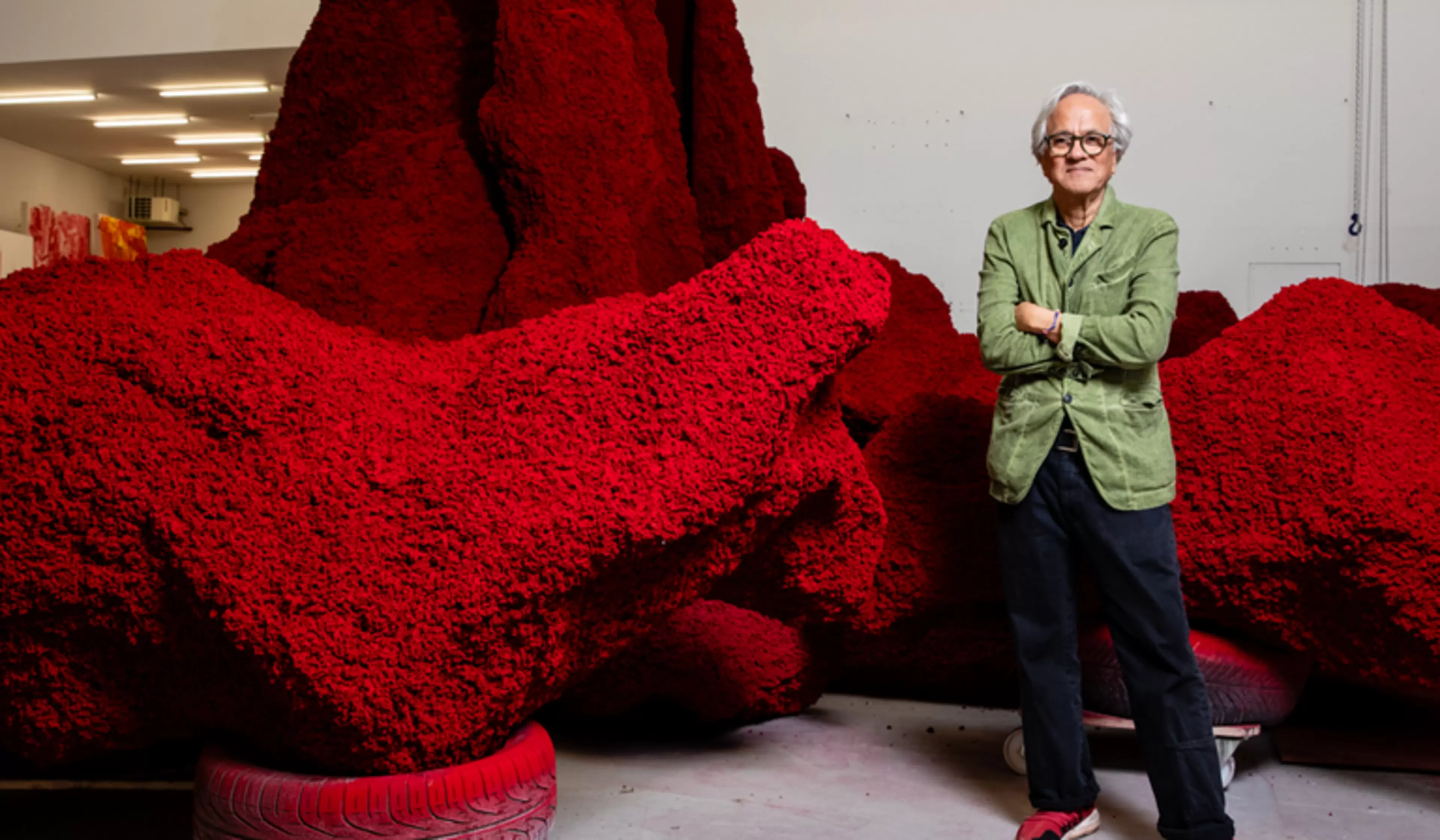
‘The cosmic paradox of Anish Kapoor’ - Prospect Magazine
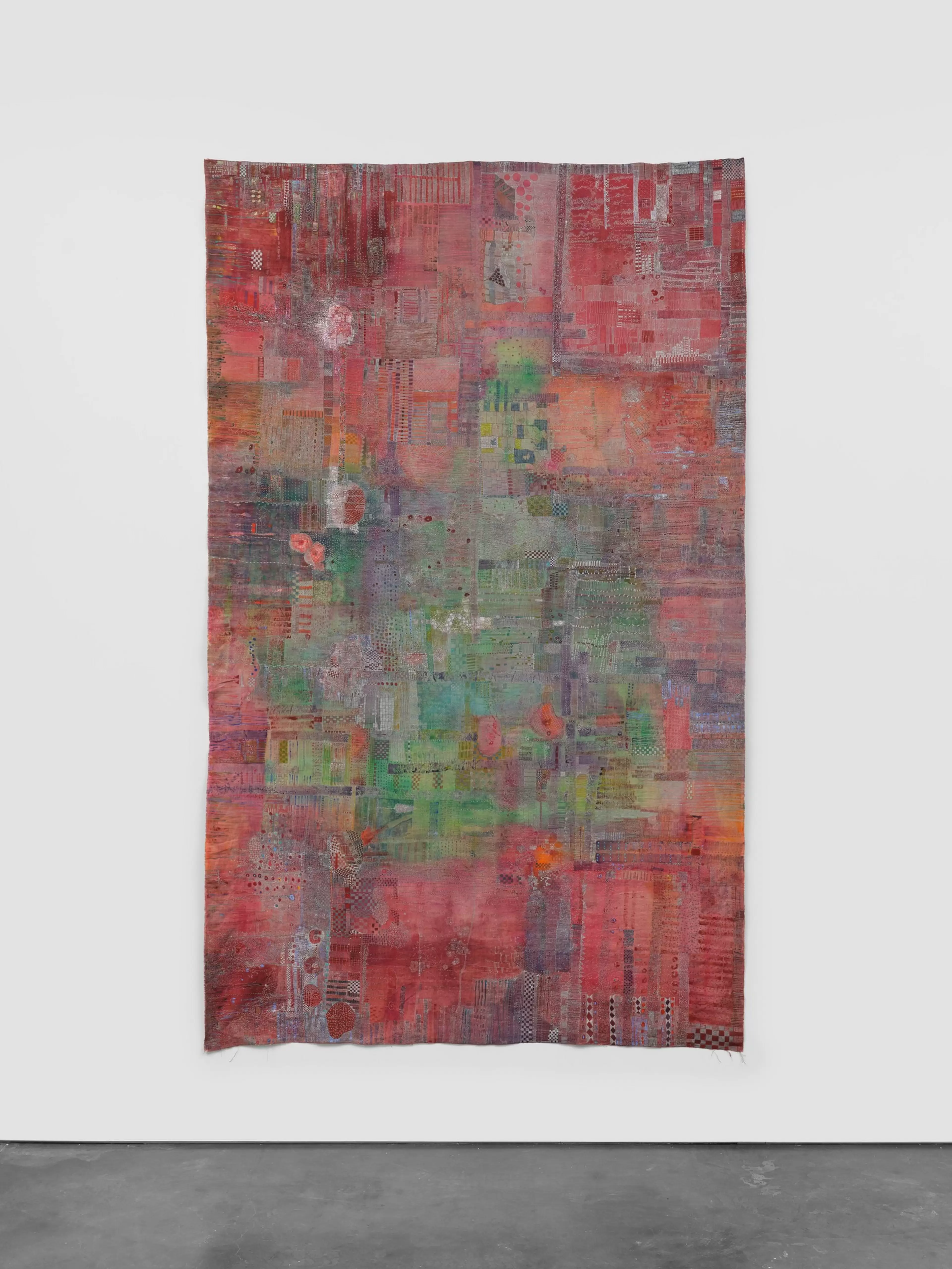
‘Huguette Caland: A Life in a Few Lines’ at the Hammer Museum
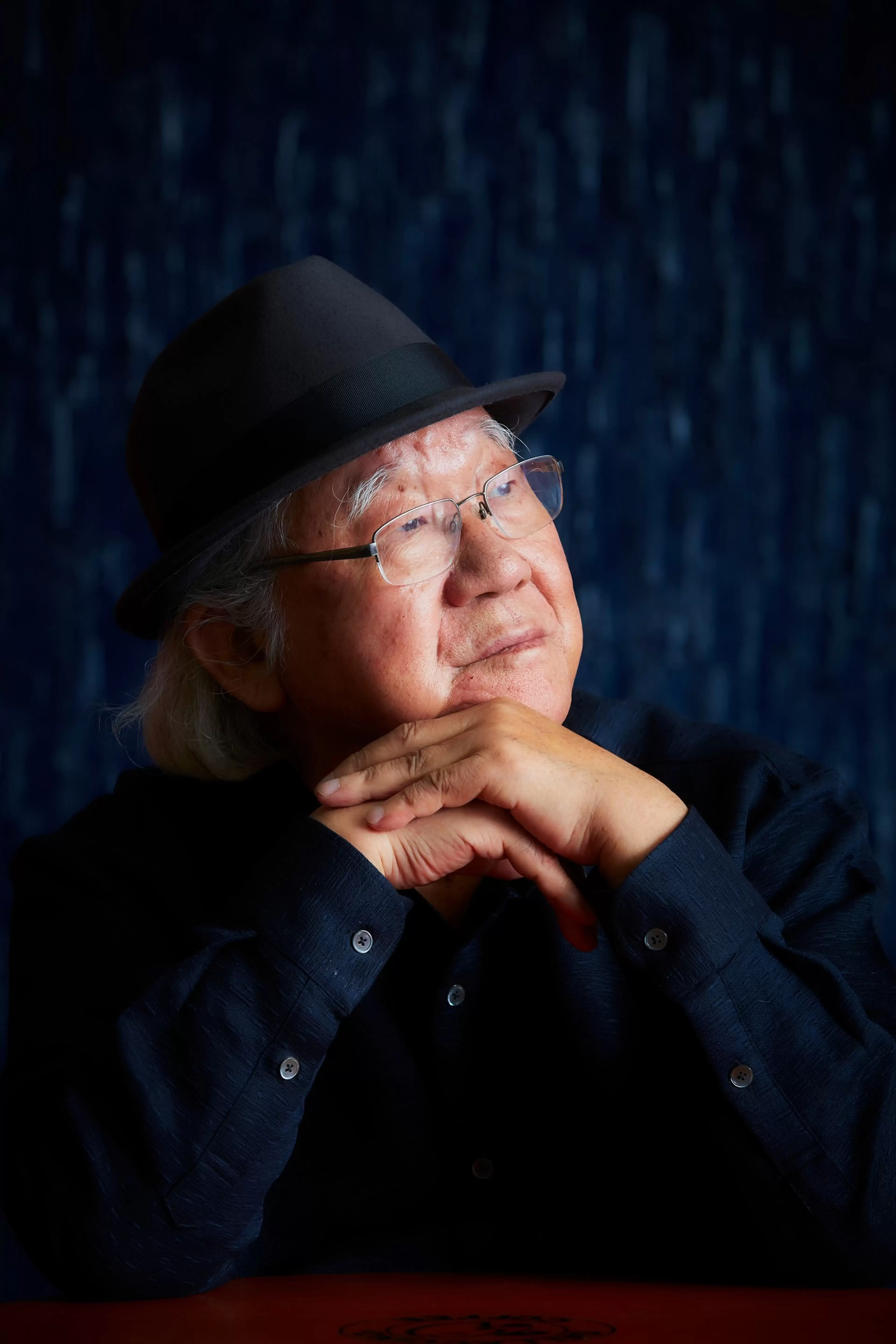
'Ha Chong-Hyun: 'The technique was revolutionary'
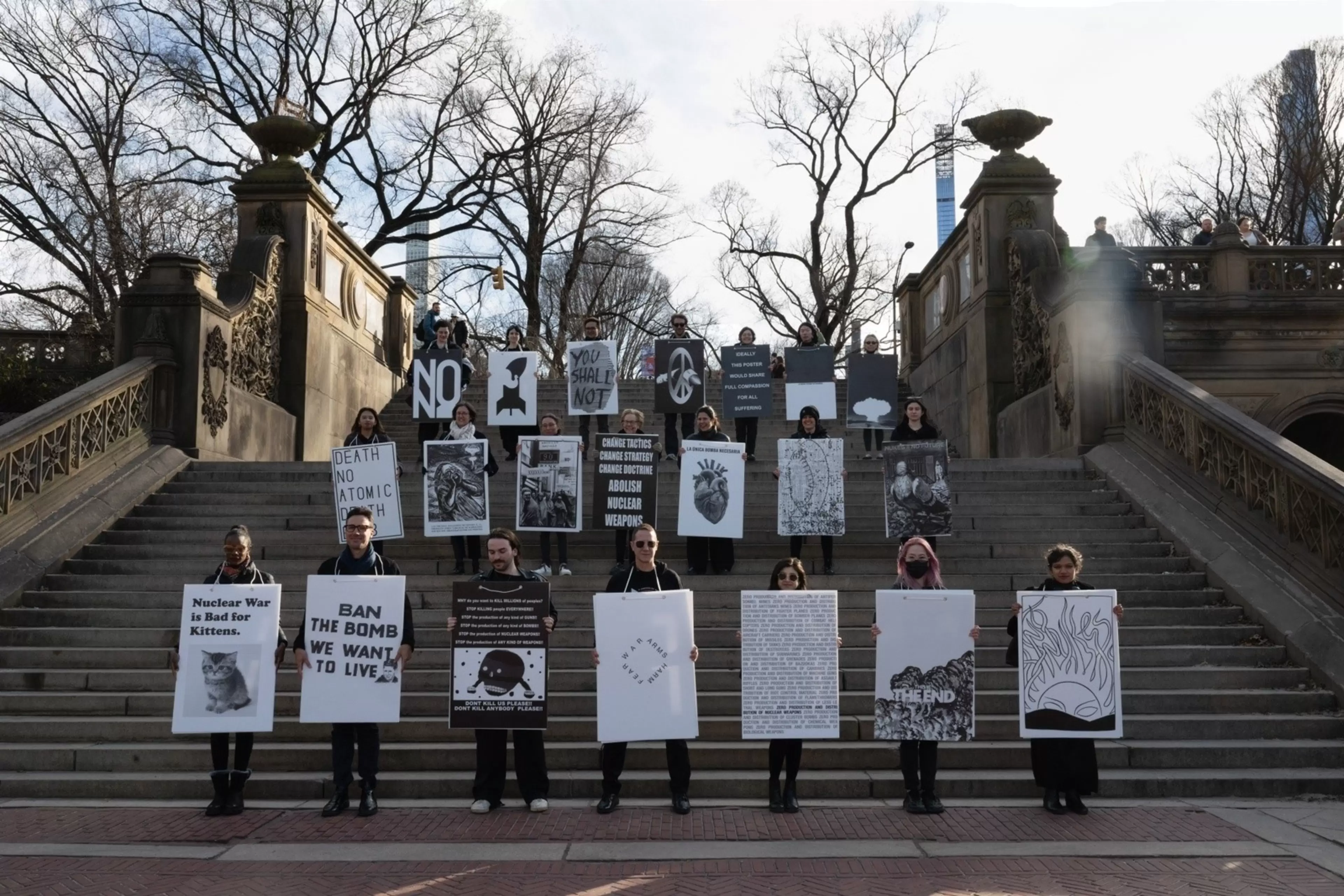
Pedro Reyes Featured in ‘Homeroom: Artists Against the Bomb’ at MoMA PS1
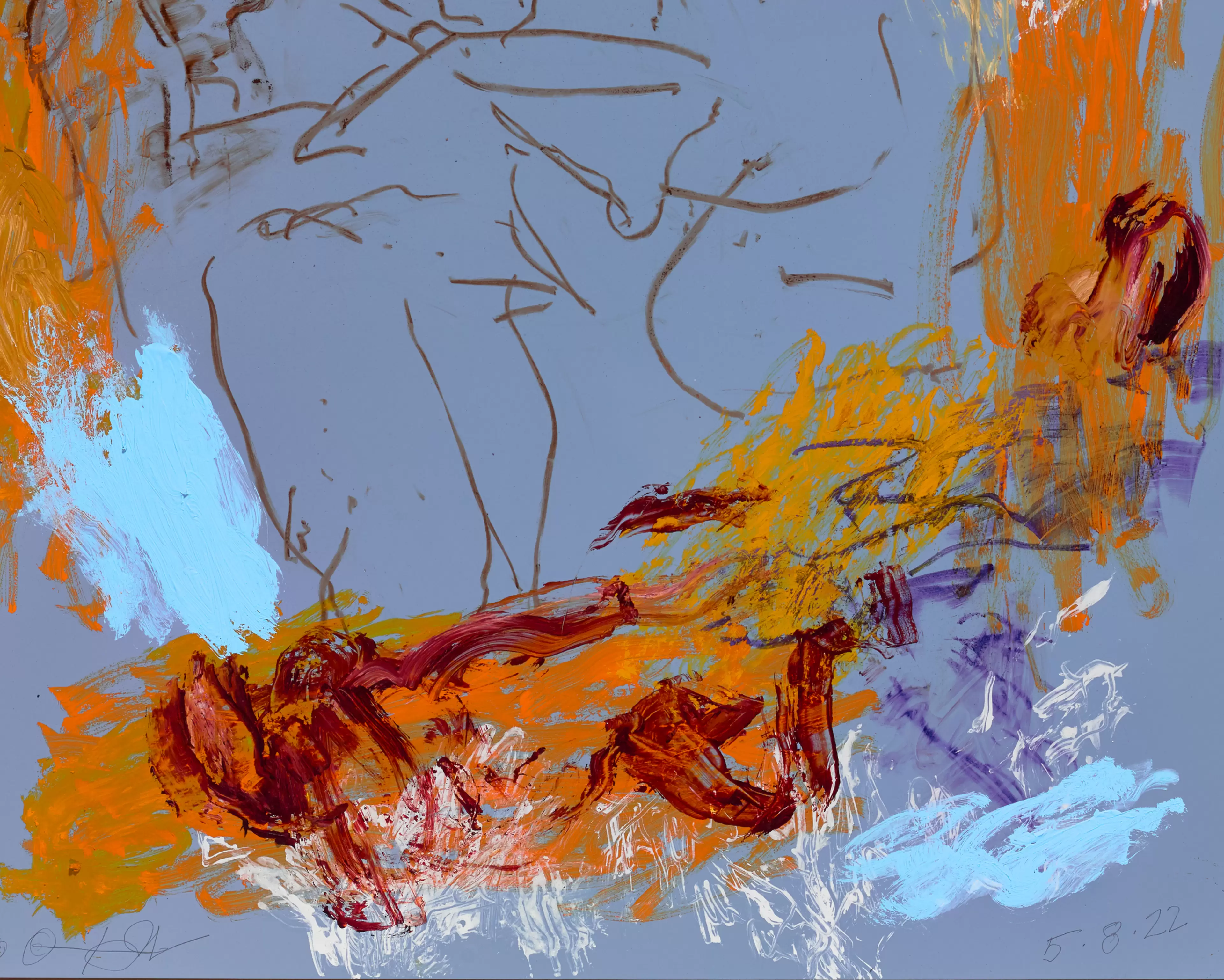
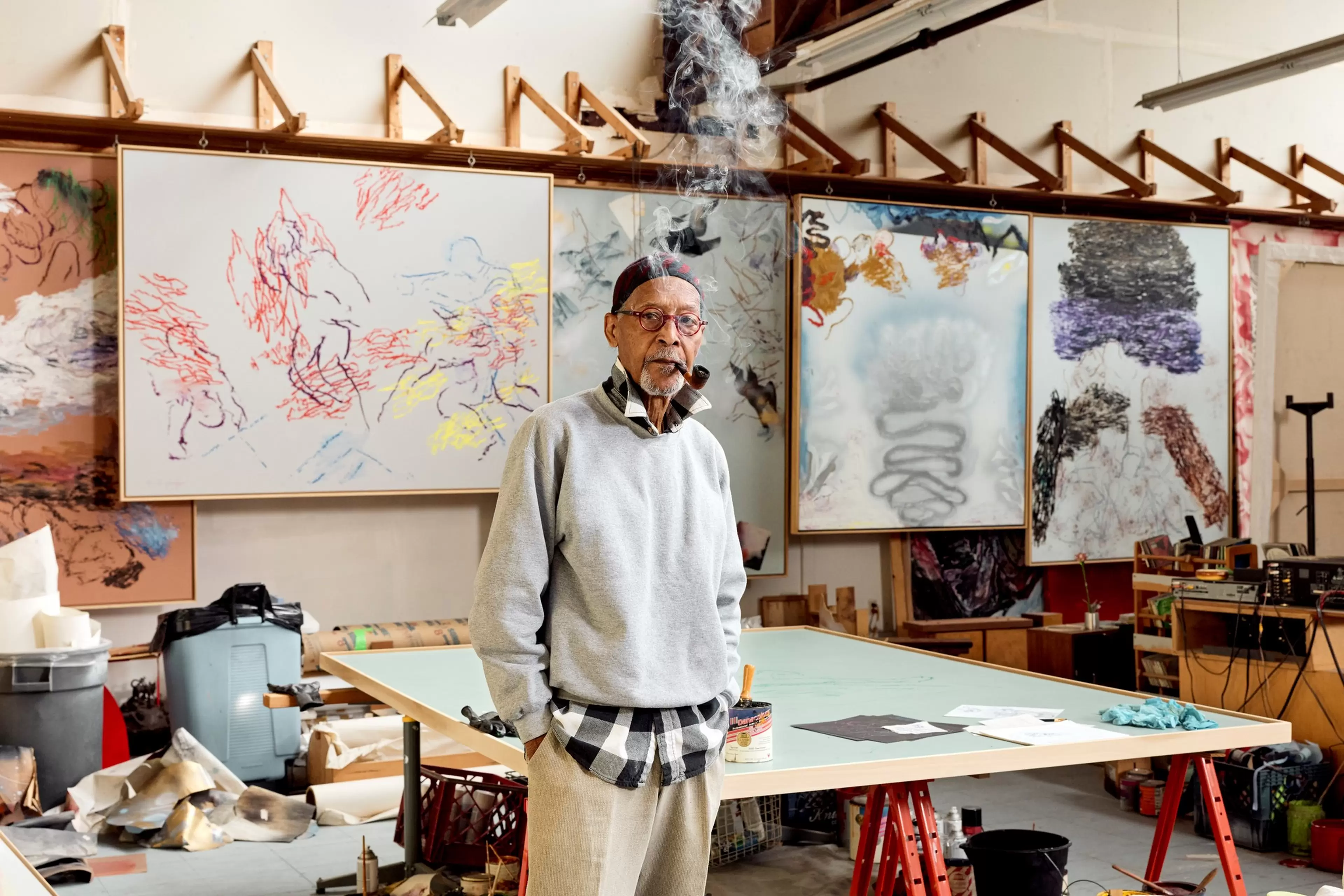
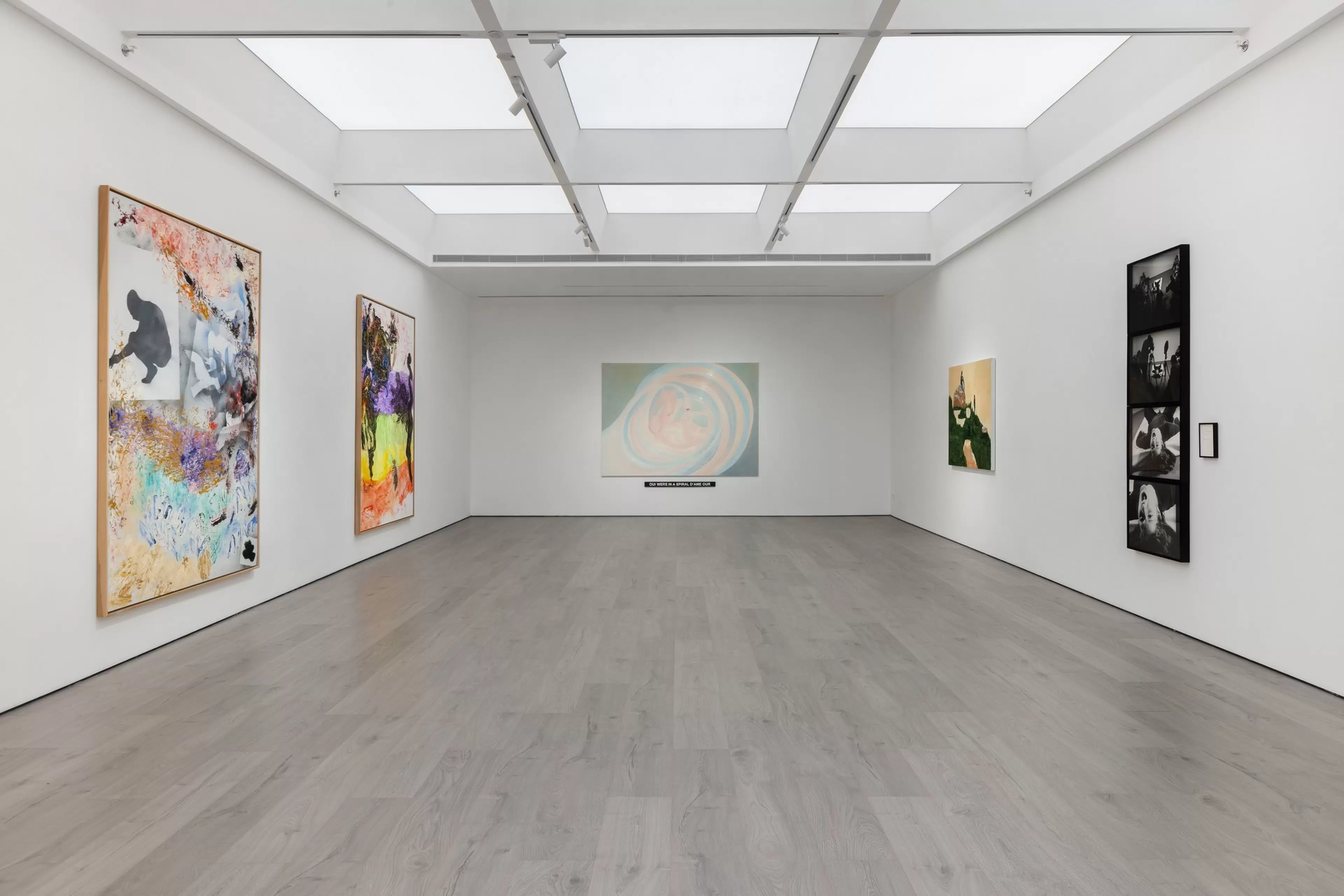
Oliver Lee Jackson has long engaged in freeing form and matter from the strictures and false oppositions between figuration and abstraction, preferring hybridity, ambiguity and improvisation with his materials over fixed meanings and didacticism.
Oliver Lee Jackson is a painter, sculptor and printmaker whose creations open up spaces for contemplation and interpretation, as well as encounters with seen and unseen worlds. He has long engaged in freeing form and matter from the strictures and false oppositions between figuration and abstraction, preferring hybridity, ambiguity and improvisation with his materials over fixed meanings and didacticism.
Beginning with gridded compositions in the 1960s and then moving his large canvases to the floor in the 1970s, in order to approach his work from multiple orientations, Jackson’s images remain based in reality and bound to human experience. “Every exchange we have, regardless of whether we call it spiritual or not,” says the artist, “is through the world, by the senses, absorbing things in things, exploiting things by things, always relationships with things.”
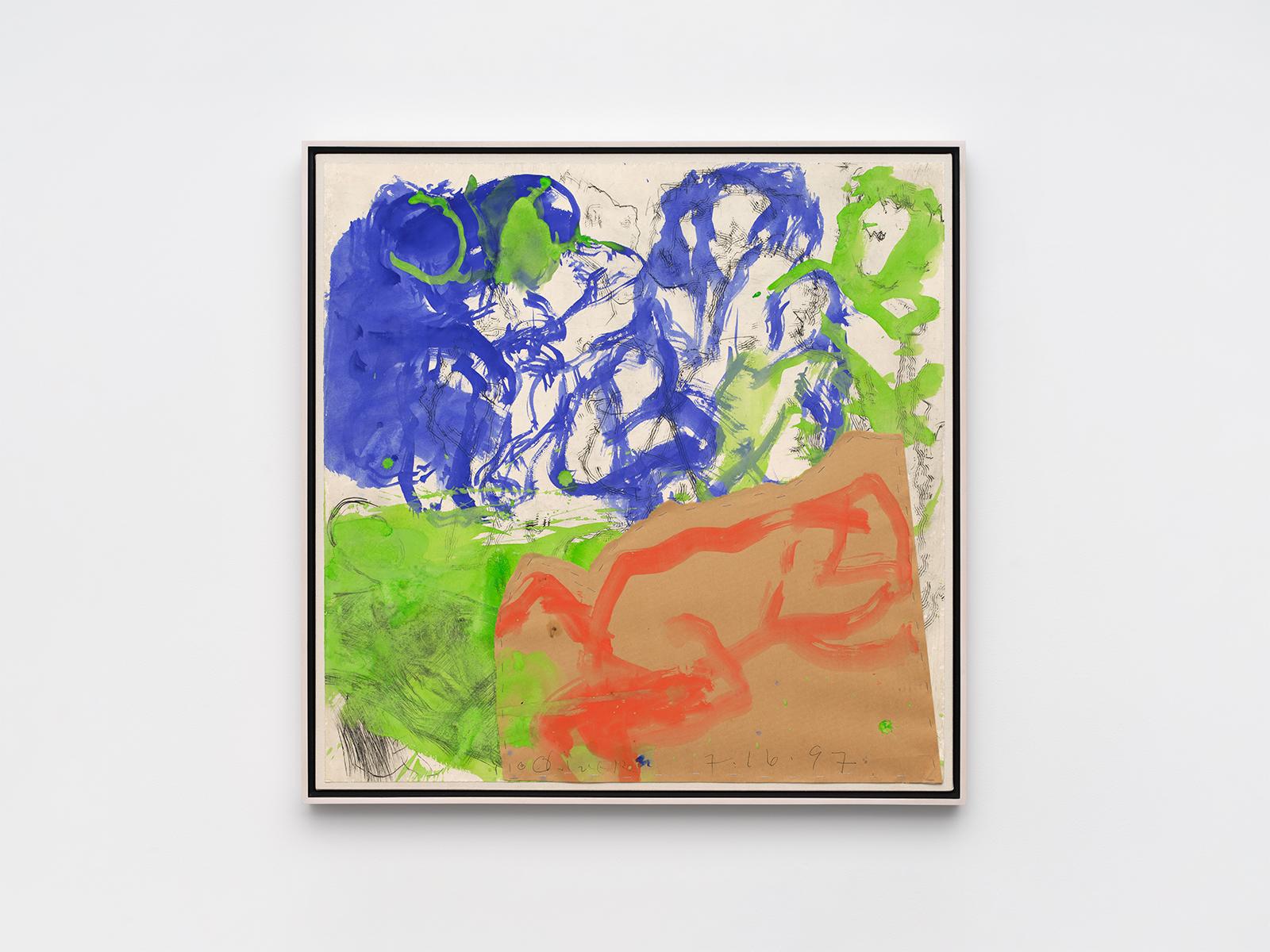
His chosen materials – stone, steel, wood, marble, fabric, paint – become the conduit for him to communicate emotions, moods and shared phenomena through the making of objects and images. The figure is a constant presence – sometimes overt, sometimes fragmentary and fugitive – in all of Jackson’s work, acting as both starting point and anchor for the marks, glimpses, moments and motives behind each composition. Even in two dimensions, the relative weights and volumes of brushstrokes, handprints and color expanses create fluctuating densities, depths and spatial possibilities. Demonstrative narratives or references to actual historic events are fleeting and non-linear, excepting important series such as his 1970s paintings inspired by photographs of Anit-Apartheid demonstrators fleeing the Sharpeville Massacre of 1960 in Johannesburg. Otherwise, Jackson cites influence from both African and European art traditions to feed his gestural representations that suggest a timeless, bodily flow of life force, memory and atmosphere.
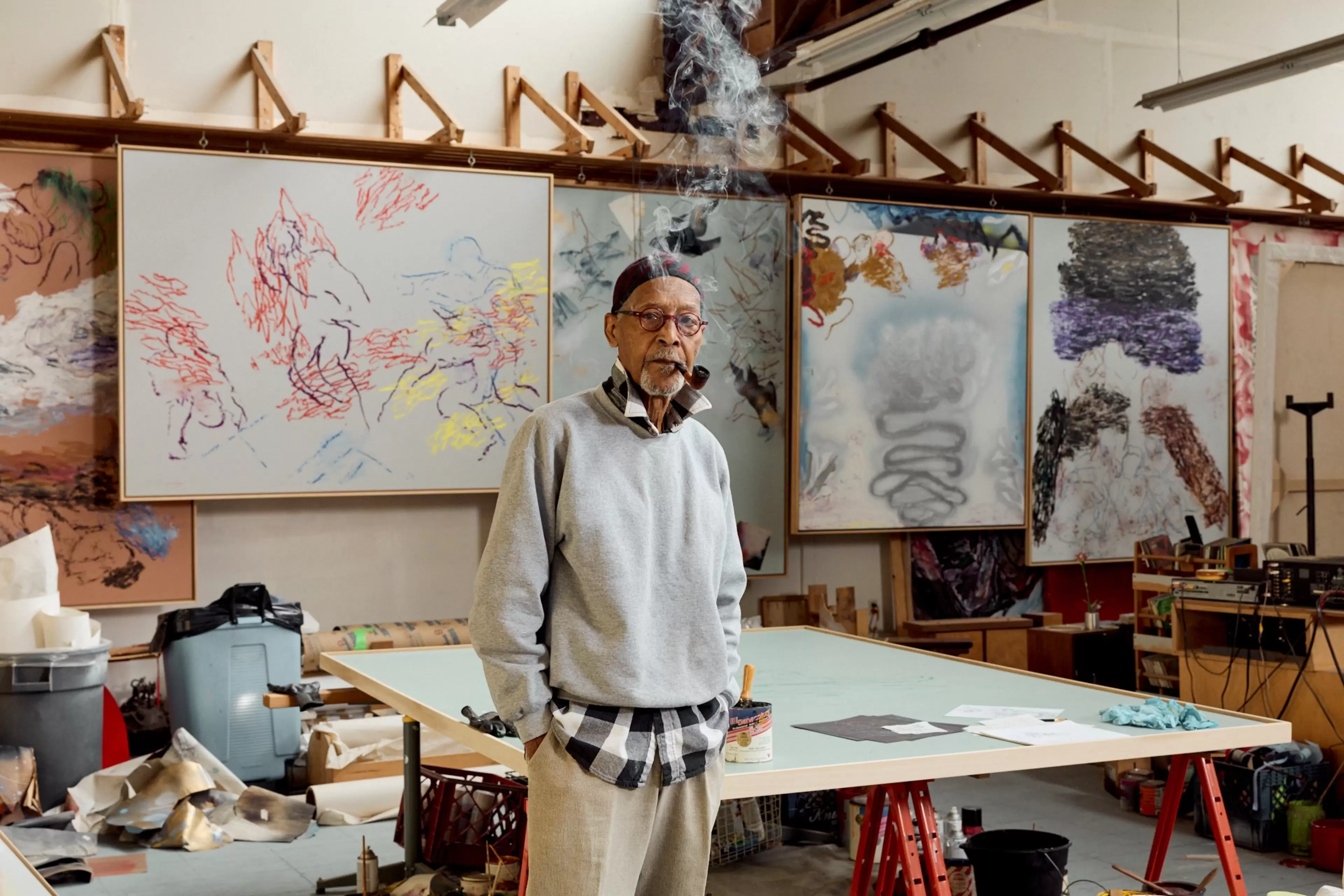
“Every exchange we have, regardless of whether we call it spiritual or not, is through the world, by the senses, absorbing things in things, exploiting things by things, always relationships with things.”
Oliver Lee Jackson
Oil enamels, artist oil paints, chalks, oil pastels on panel
109.2 x 123.2 cm
43 x 48 1/2 in
Framed: Framed: 114 x 127 x 5 cm
Framed: Framed: 44 7/8 x 50 x 2 in
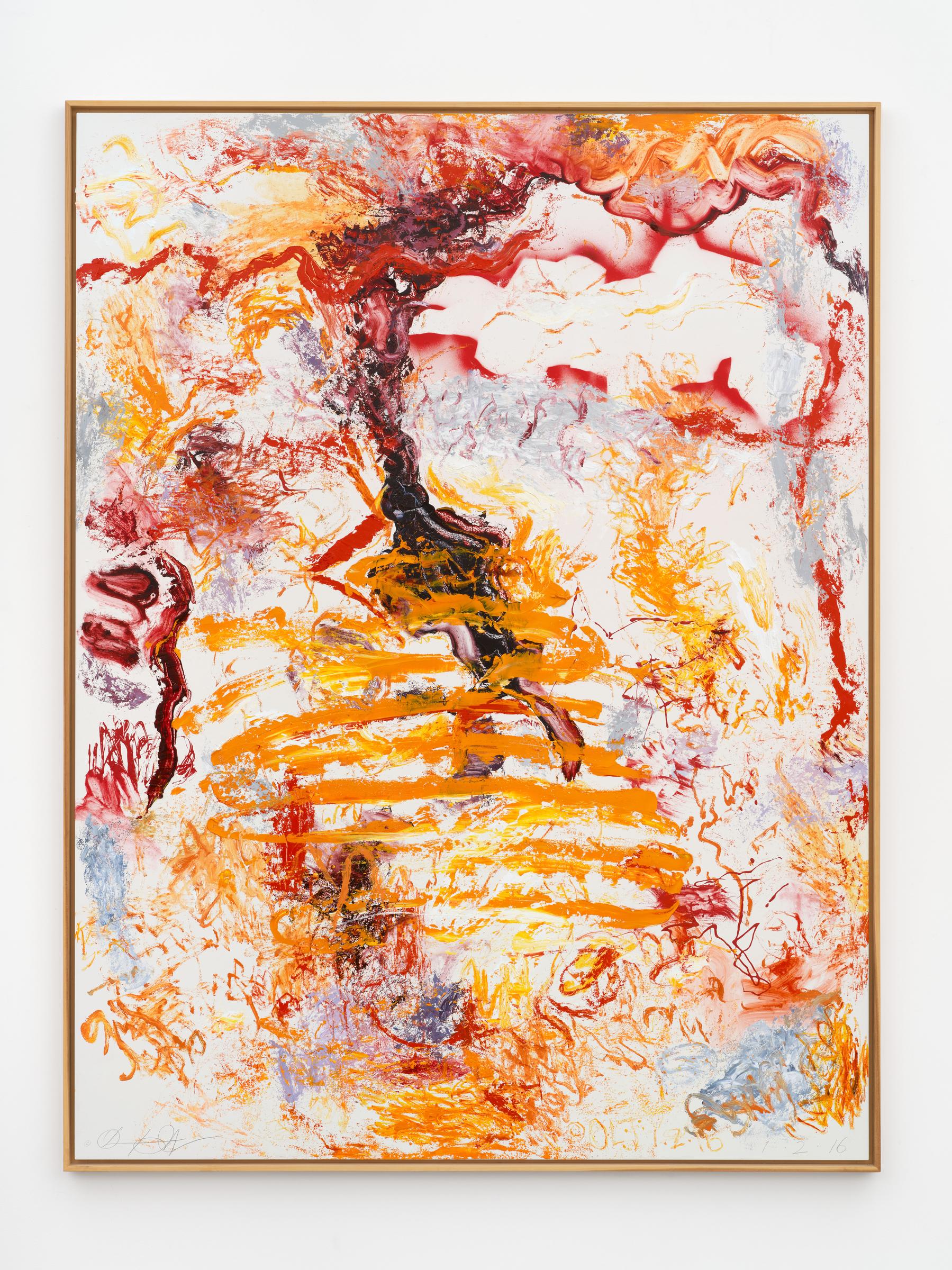
Oliver Lee Jackson
Oil paints, oil enamel on wood panel
241.3 x 182.9 x 4 cm
95 x 72 x 1 5/8 in
Framed: Framed: 246.4 x 188 x 5.1 cm
Framed: Framed: 97 x 74 x 2 in
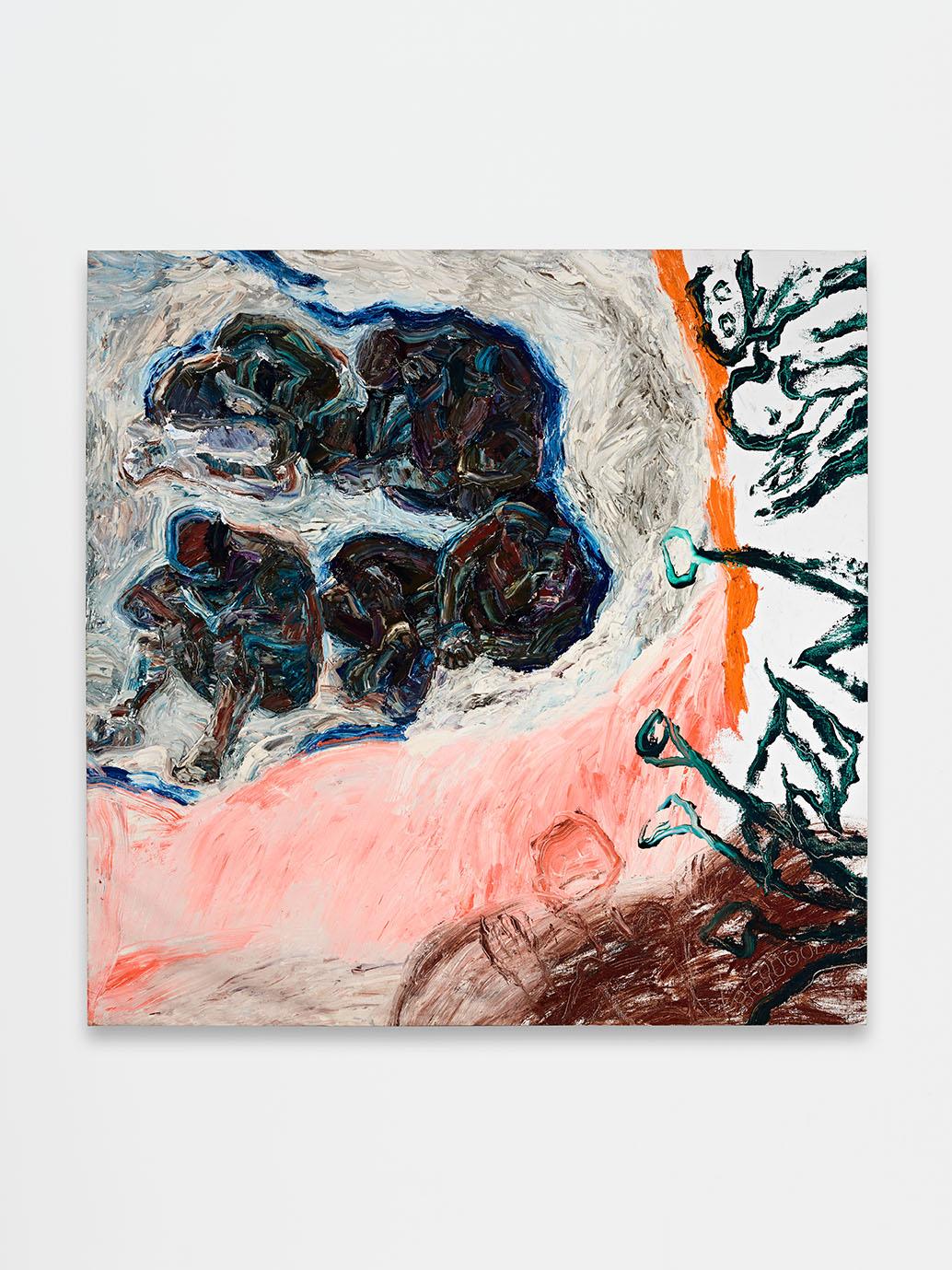
Oliver Lee Jackson
Oil-based paints on gessoed canvas
242 x 242 x 6.5 cm
95 1/4 x 95 1/4 x 2 1/2 in
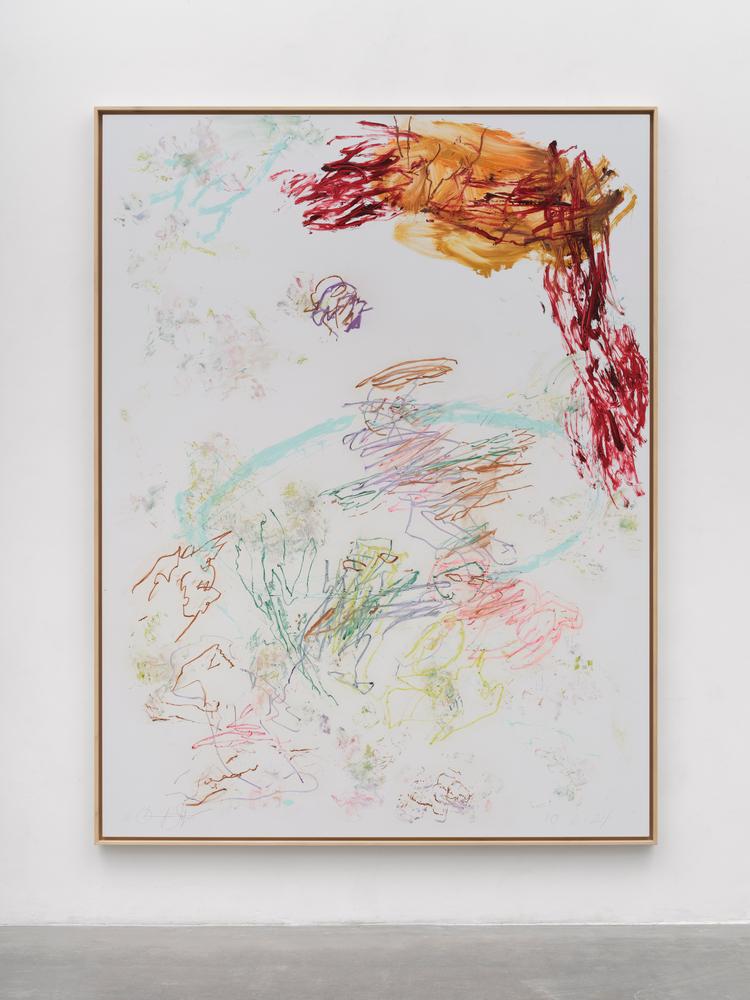
Oliver Lee Jackson
Artist oil paints, oil enamel, chalks, fixative on panel
241 x 183 x 2.5 cm
94 7/8 x 72 x 1 in
Framed: Framed: 246 x 188 x 5 cm
Framed: Framed: 96 7/8 x 74 x 2 in
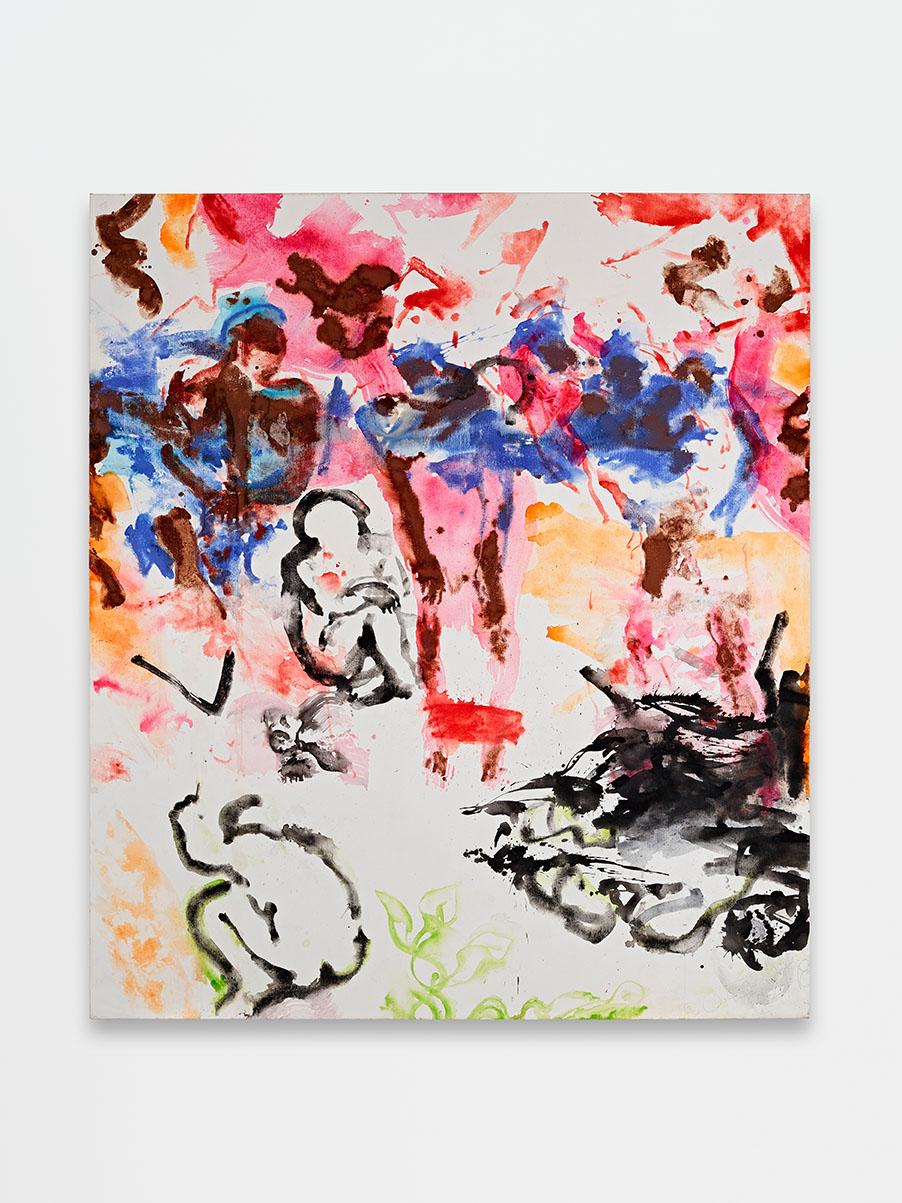
Oliver Lee Jackson
Water-based paints on linen
244 x 213 x 5.5 cm
96 1/8 x 83 7/8 x 2 1/8 in
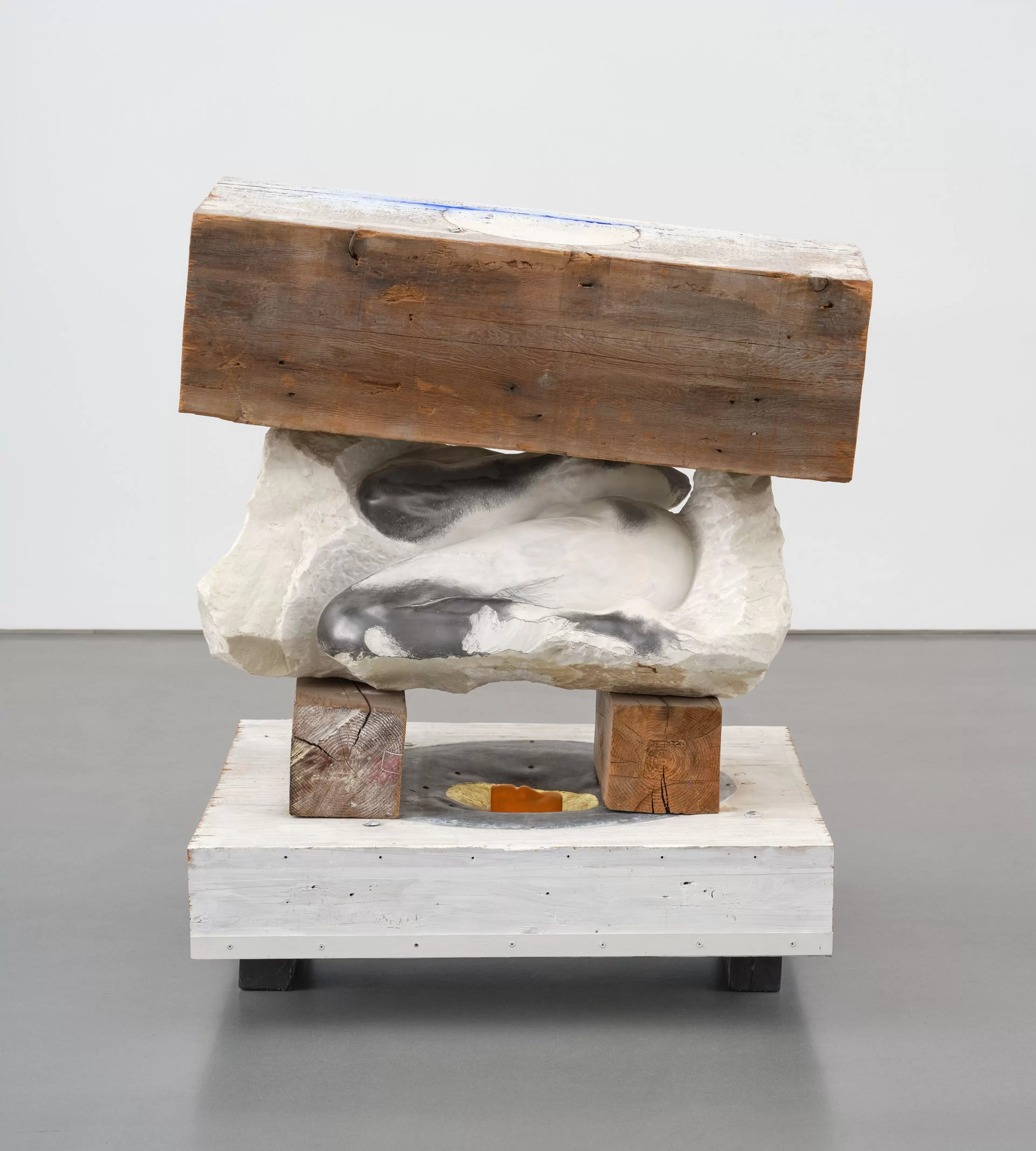
Oliver Lee Jackson
Marble, wood, lead, graphite, gold leaf, dry pigments, mixed media
135.9 x 106.7 x 99.4 cm
53 ½ x 42 x 39 ⅛ in