Carmen Herrera
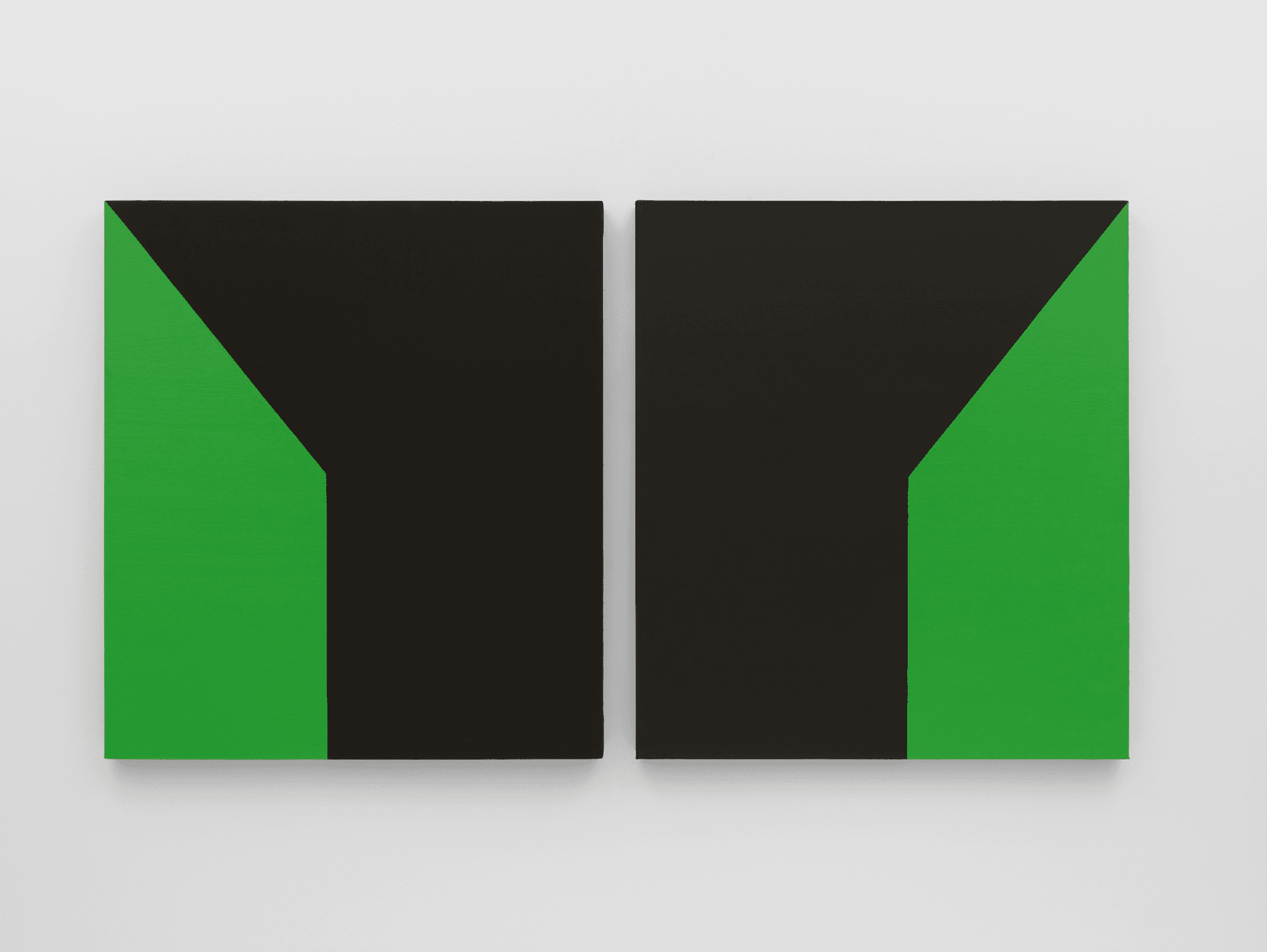
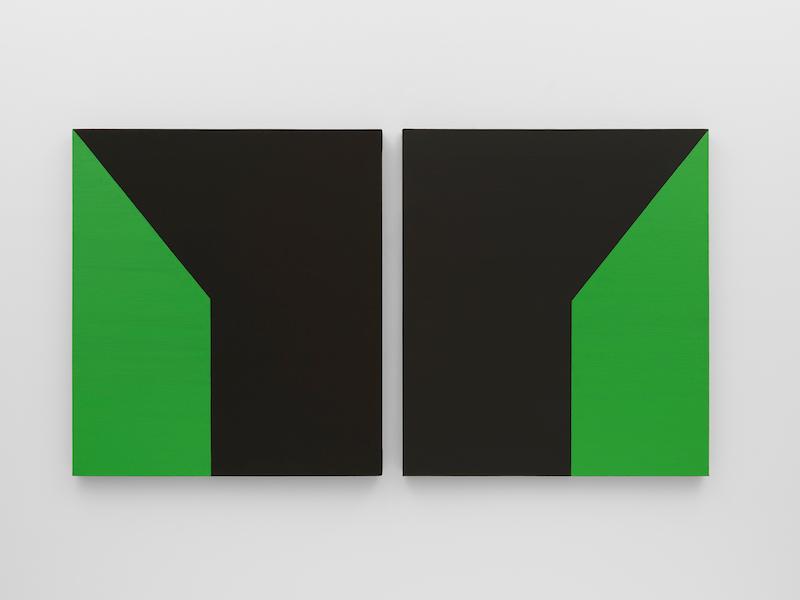
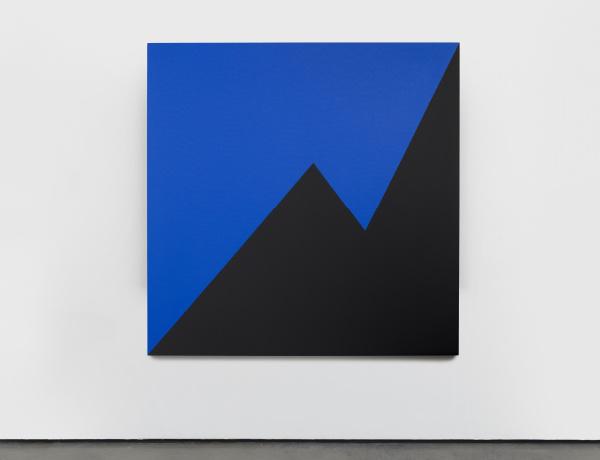
Diptych (Green & Black), 1976
Acrylic on canvas
Each panel: 114.9 x 101.6 x 3.8 cm
Each panel: 45 1/4 x 40 x 1 1/2 in
Framed: Installed: 114.9 x 210.8 x 3.8 cm
Framed: Installed: 45 1/4 x 83 x 1 1/2 in
Sean Scully Featured in ‘Ground Zero 360 – Remembrance’ at the New York City Fire Museum
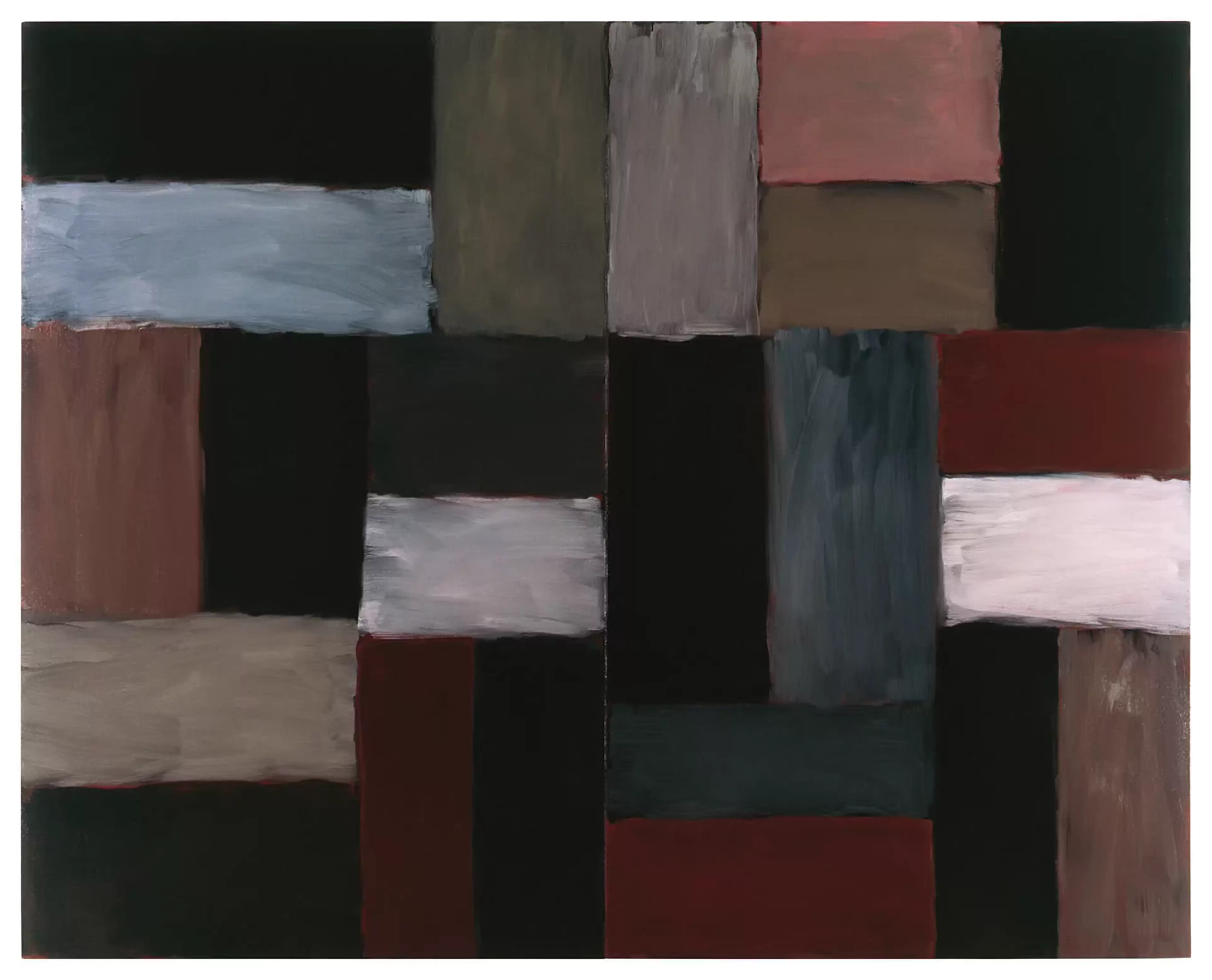
‘Cézanne et nous’ at the Grand Palais, Paris, 23 September 2026 – 17 January 2027
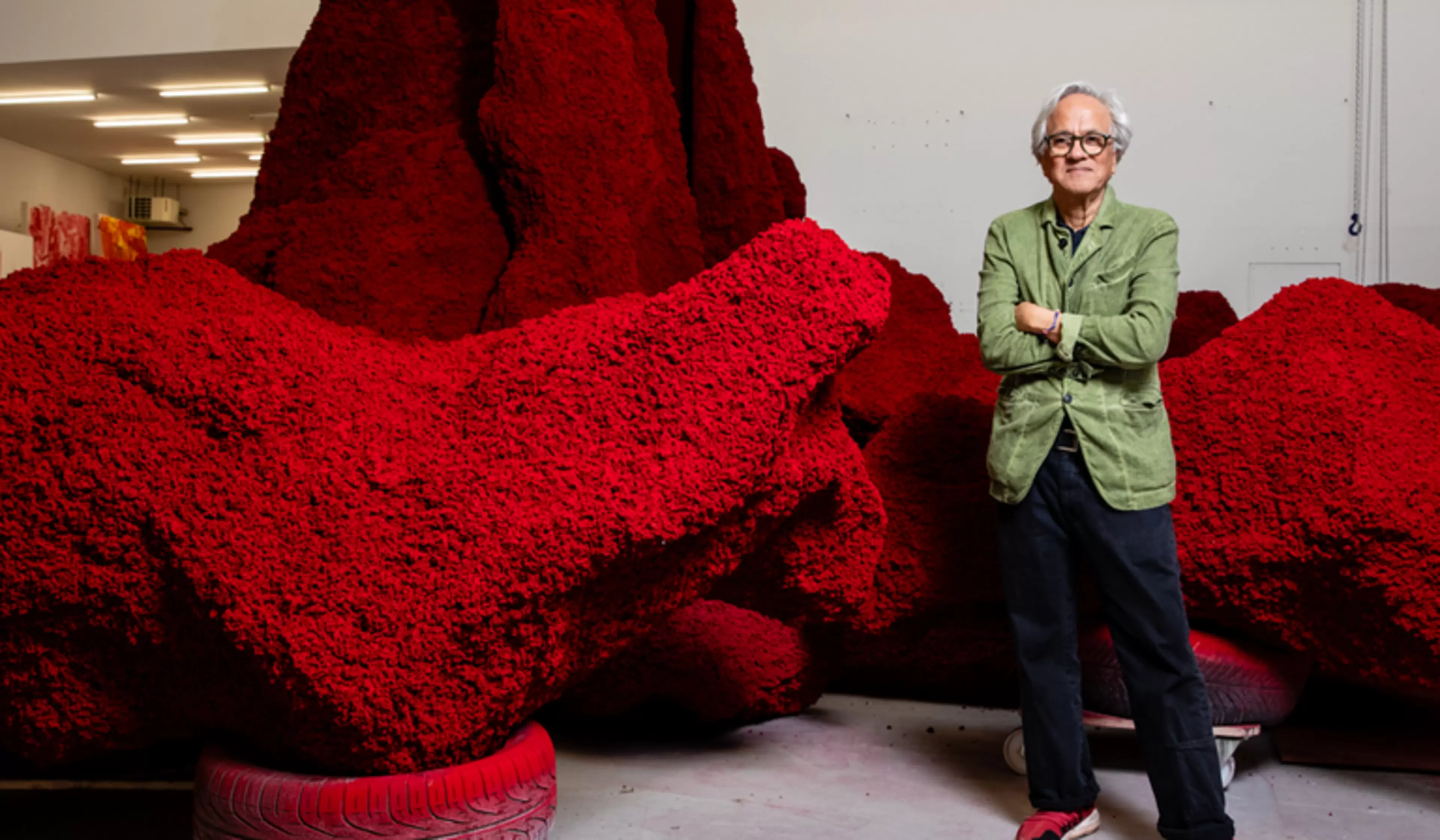
‘The cosmic paradox of Anish Kapoor’ - Prospect Magazine
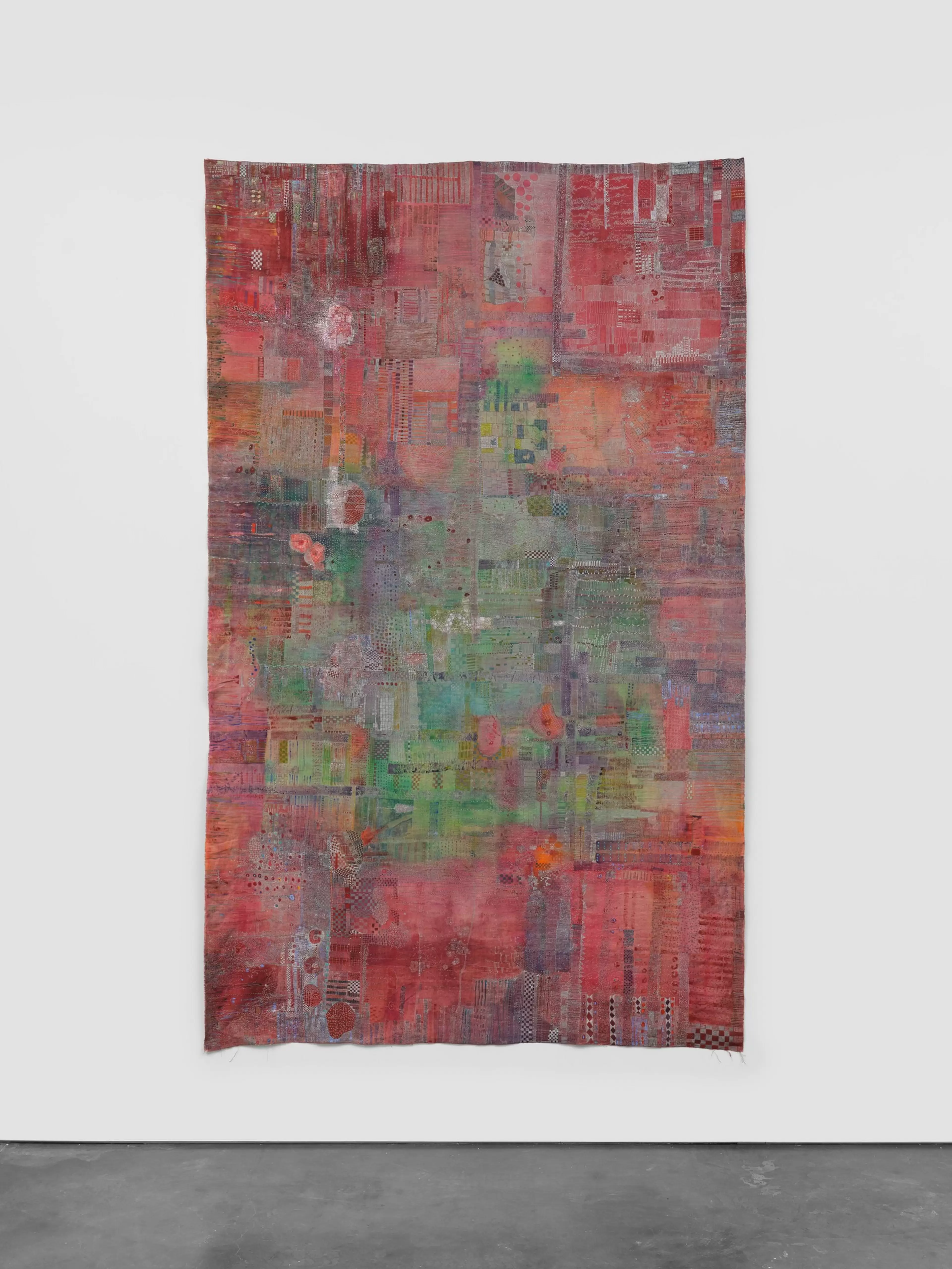
‘Huguette Caland: A Life in a Few Lines’ at the Hammer Museum
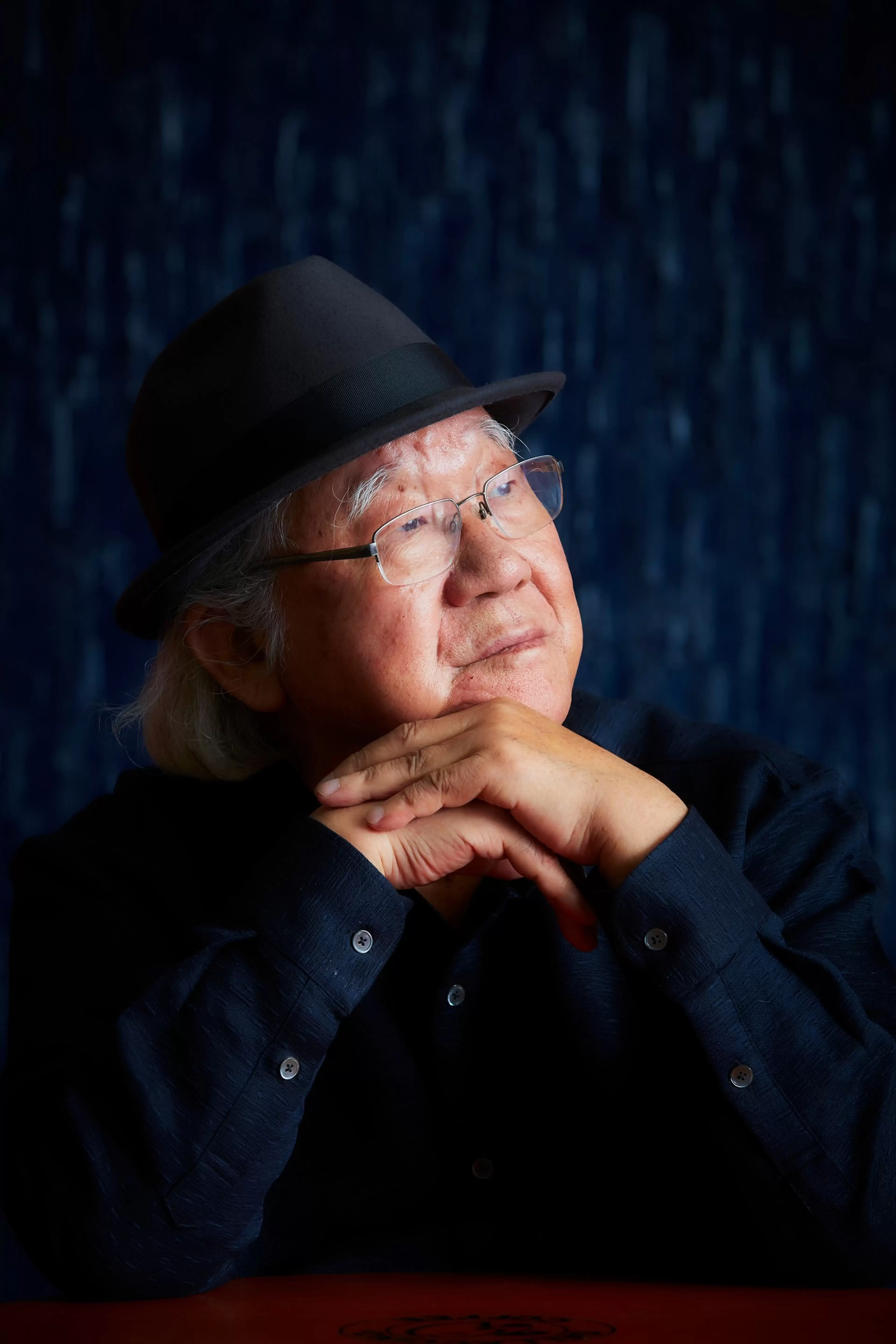
'Ha Chong-Hyun: 'The technique was revolutionary'
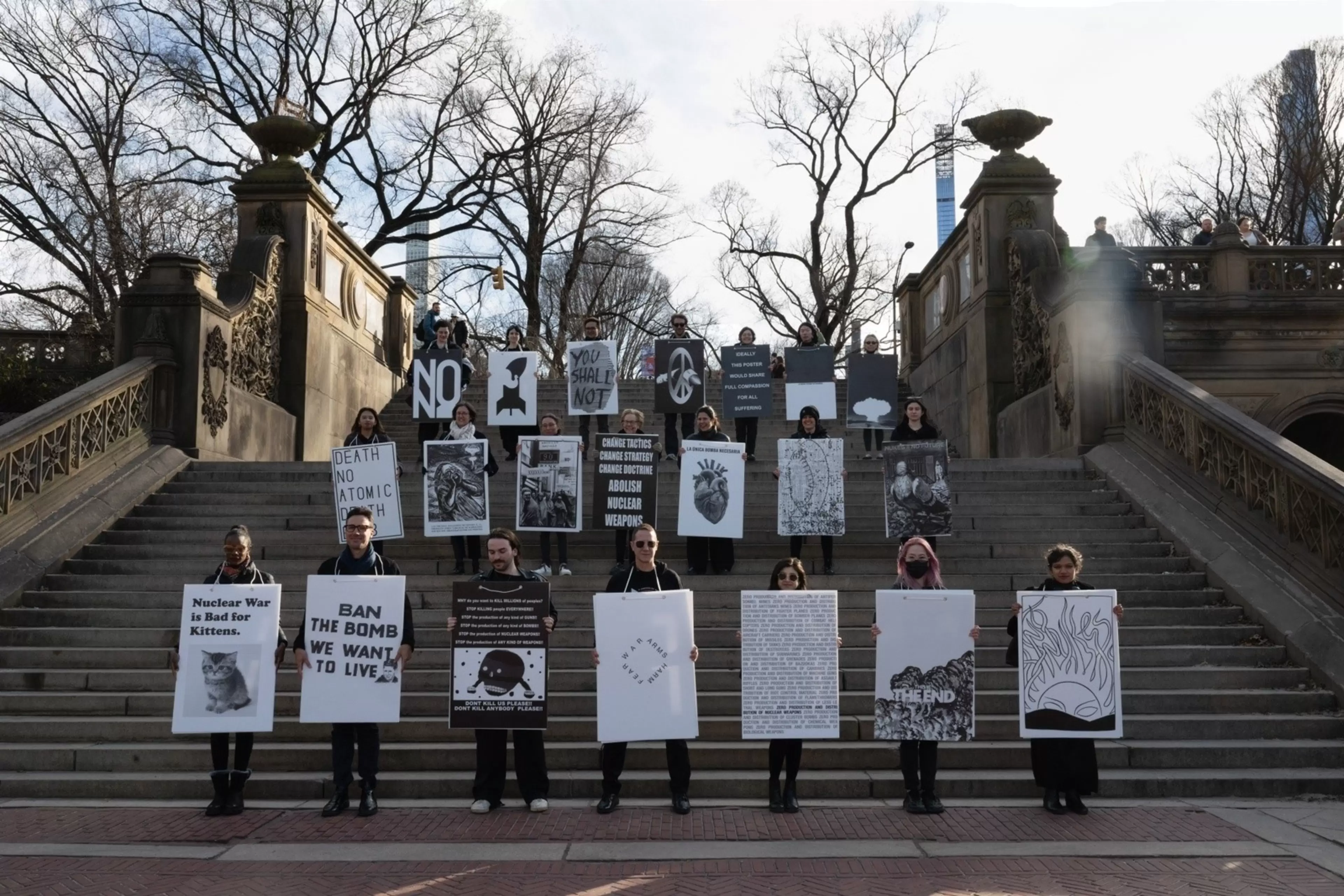
Pedro Reyes Featured in ‘Homeroom: Artists Against the Bomb’ at MoMA PS1

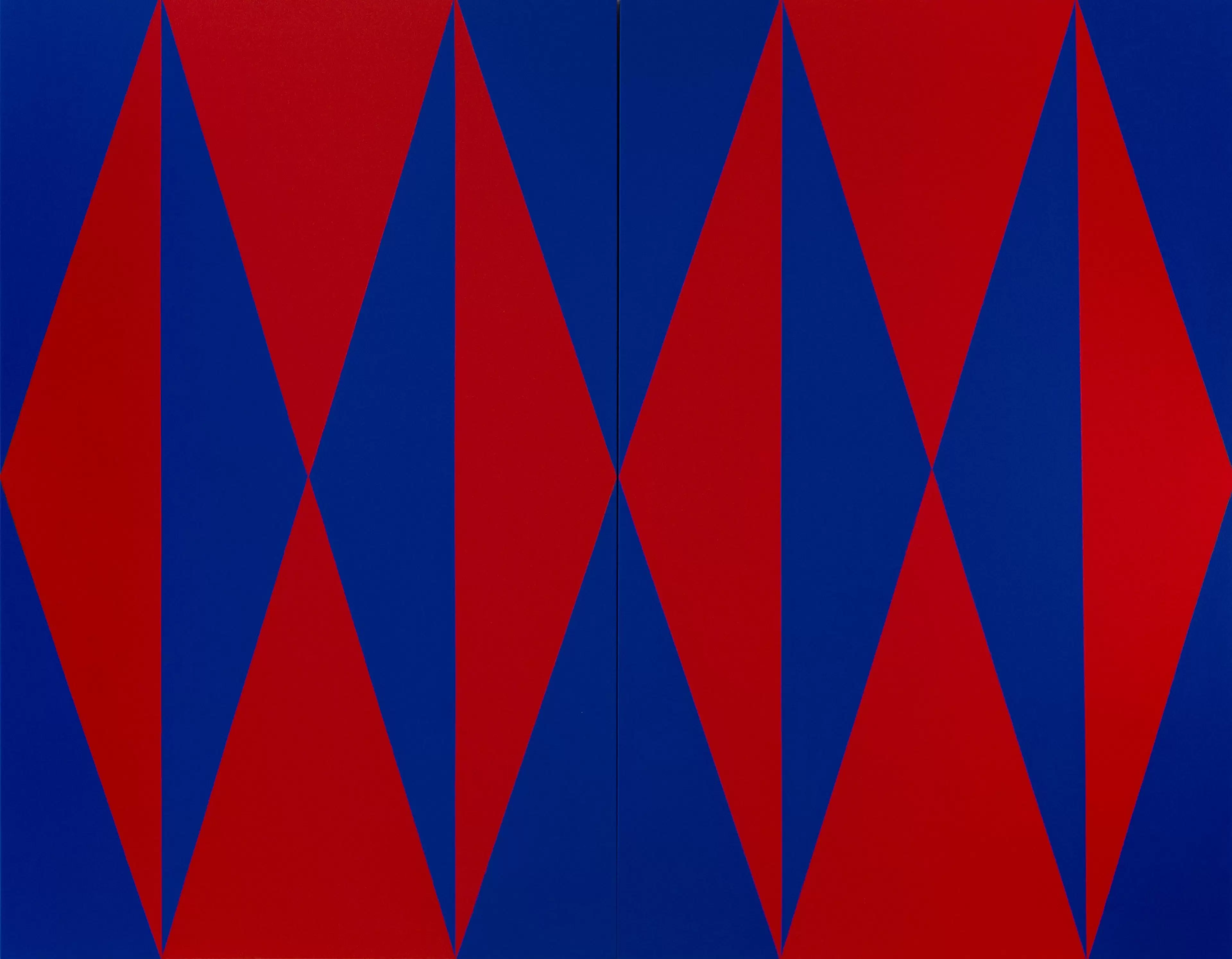
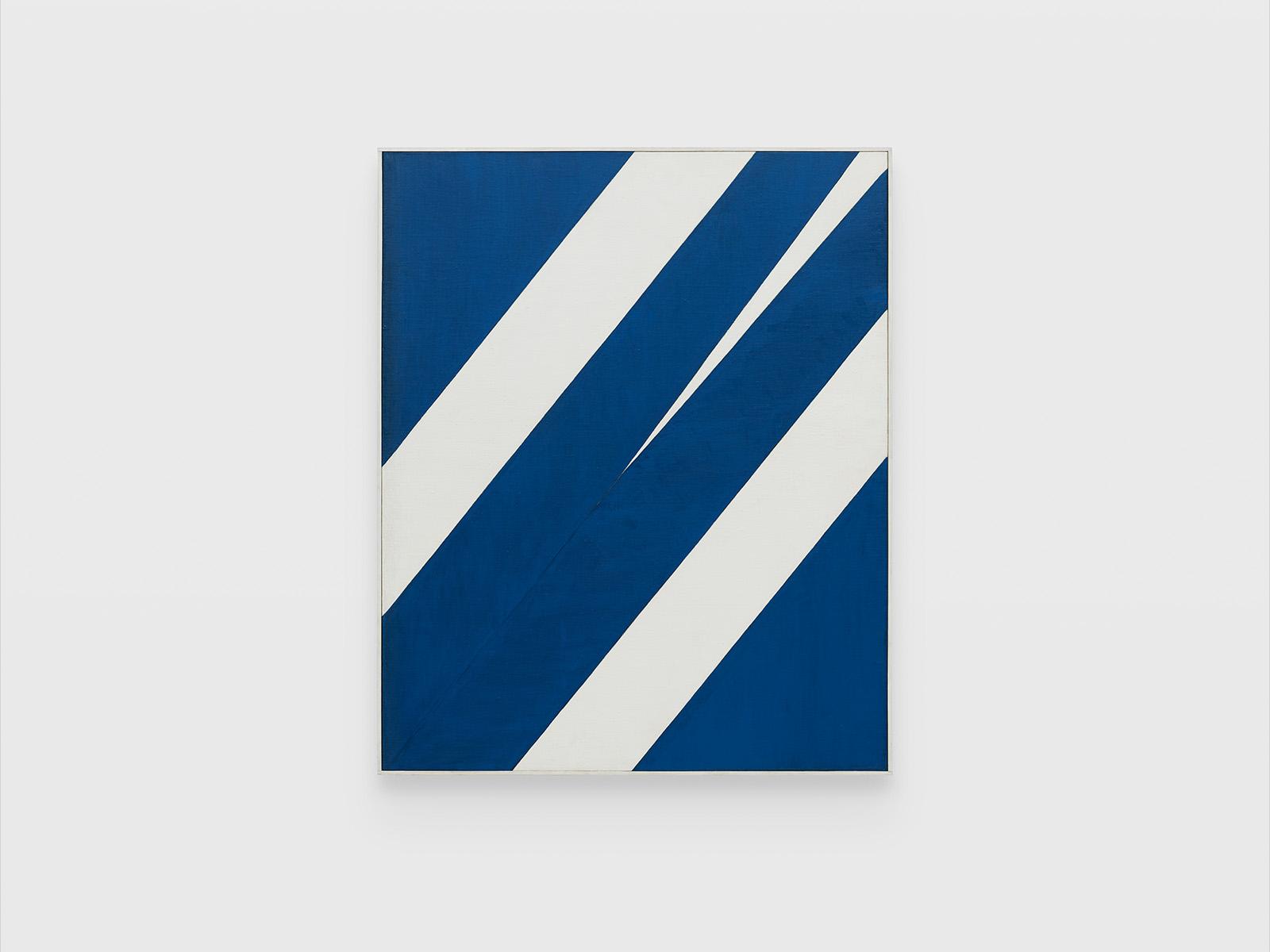
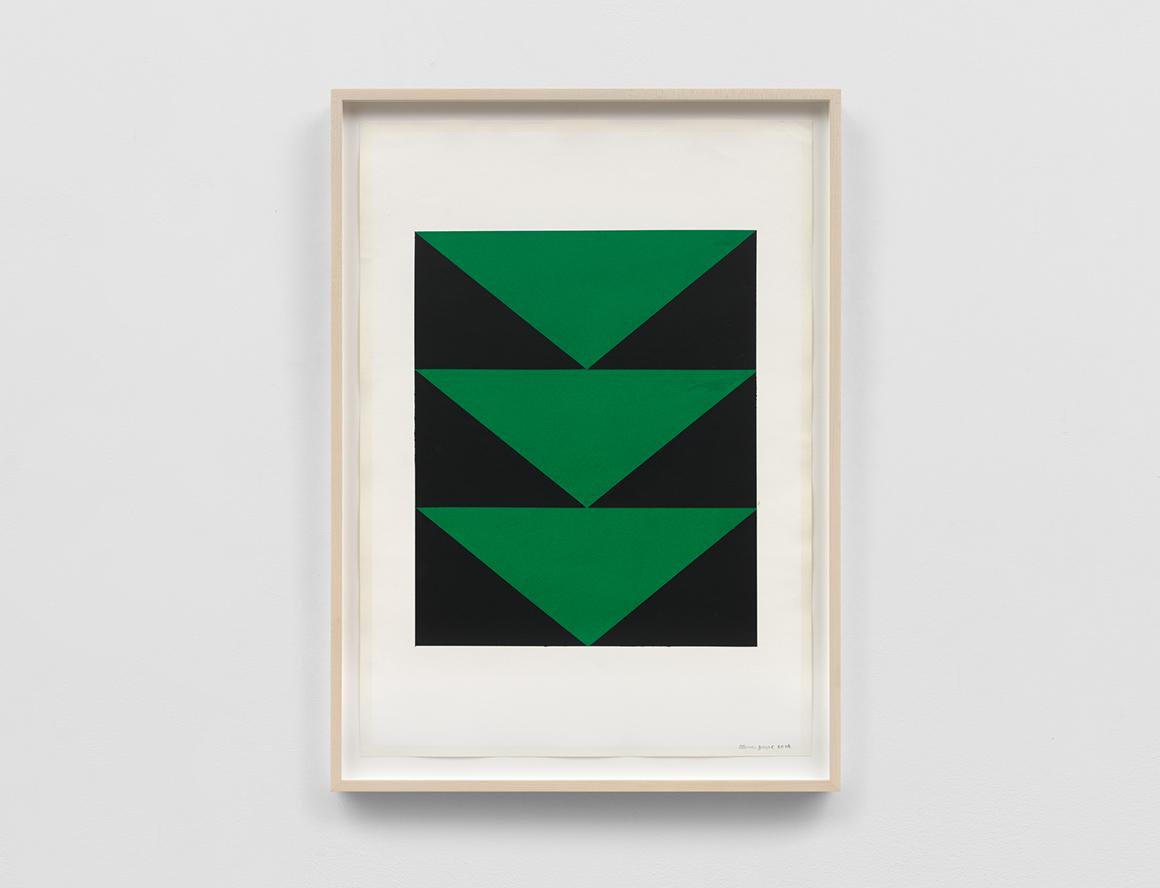
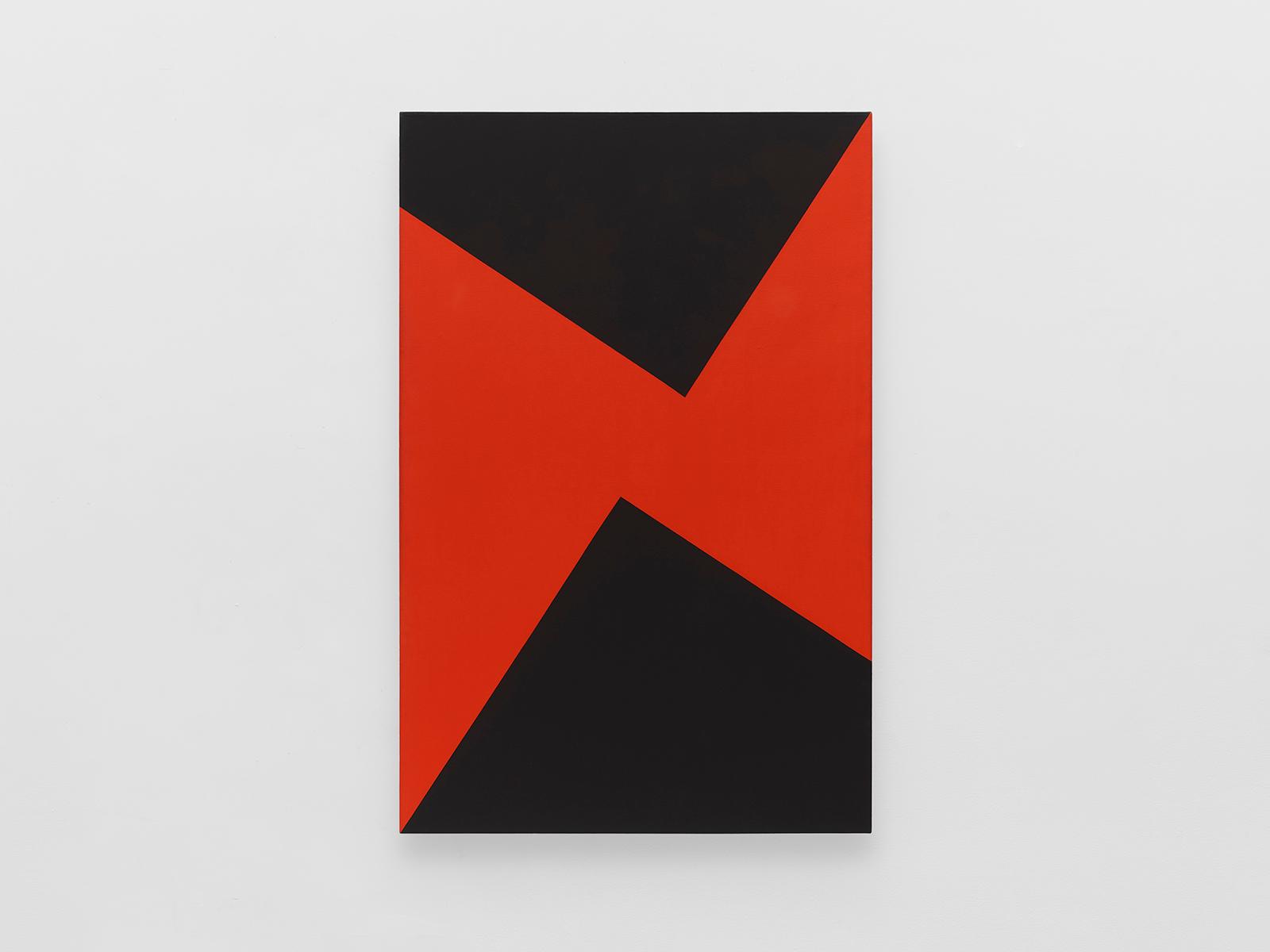
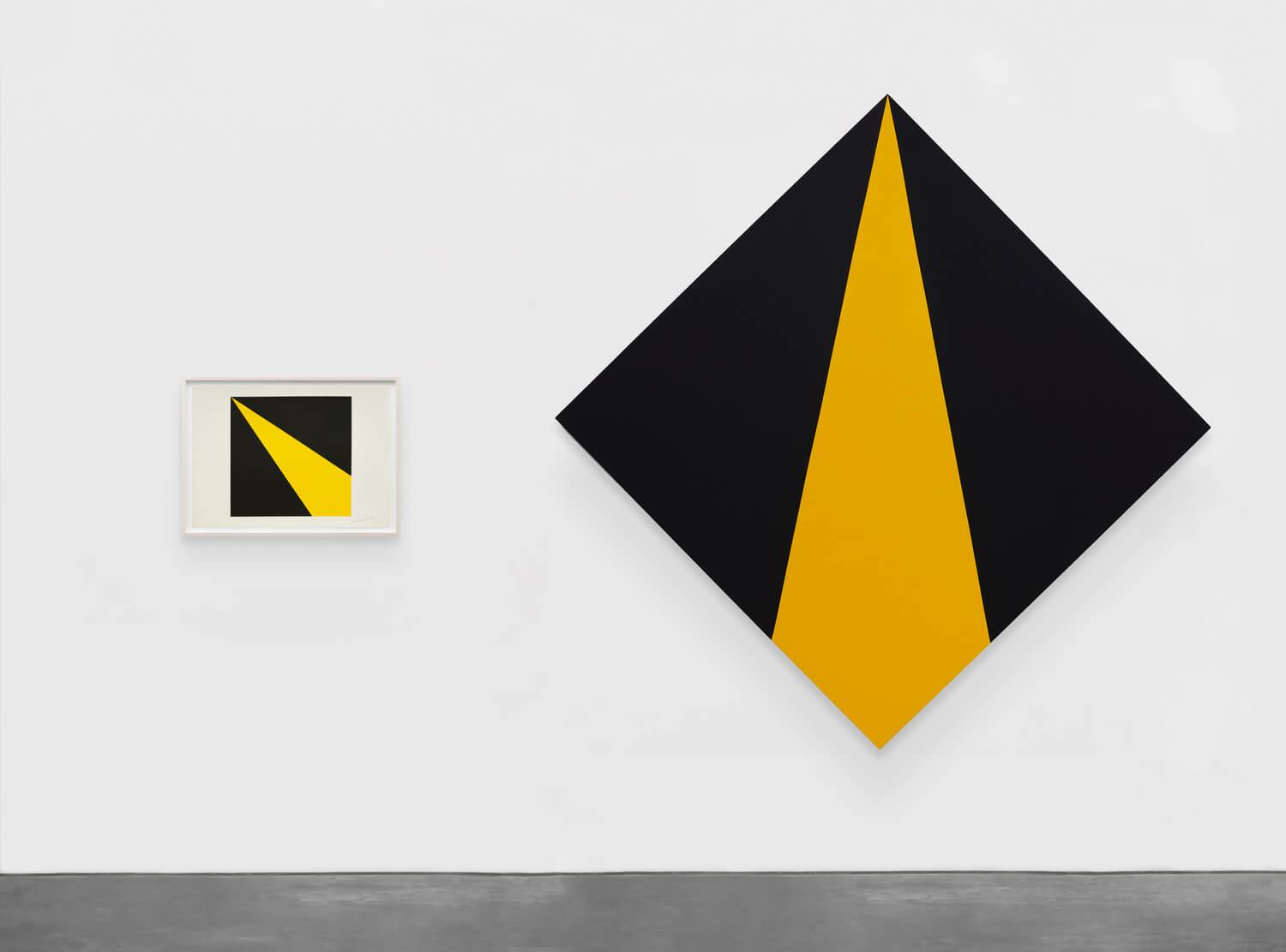
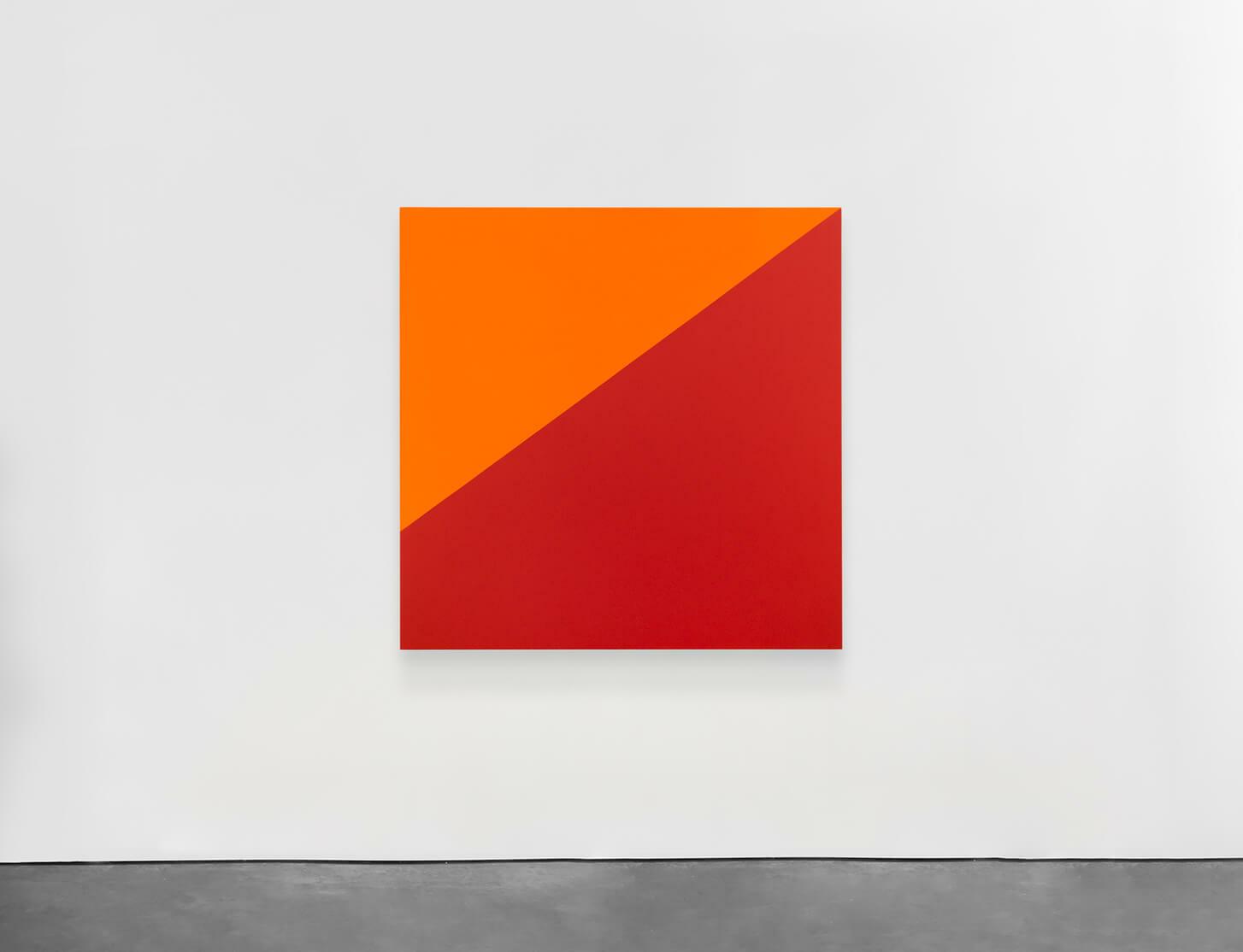
Herrera created symmetry, asymmetry and an infinite variety of movement, rhythm and spatial tension across the canvas with the most unobtrusive application of paint.
Core to Carmen Herrera’s painting was a drive for formal simplicity and a striking sense of colour: “My quest”, she said, “is for the simplest of pictorial resolutions” (2012). A master of crisp lines and contrasting chromatic planes, Herrera created symmetry, asymmetry and an infinite variety of movement, rhythm and spatial tension across the canvas with the most unobtrusive application of paint. As she moved away from biomorphism towards pure, geometric abstraction during her time in Paris in the later 1940s, she began making shaped, elliptical and tondo canvases, in addition to pioneering the use of solventbased acrylic paints in post-war Europe. She exhibited alongside Theo van Doesburg, Max Bill and Piet Mondrian and a younger generation of Latin American artists, such as members of the Venezuelan Los Disidentes, Brazilian Concretists and the Argentinian Grupo Madi.
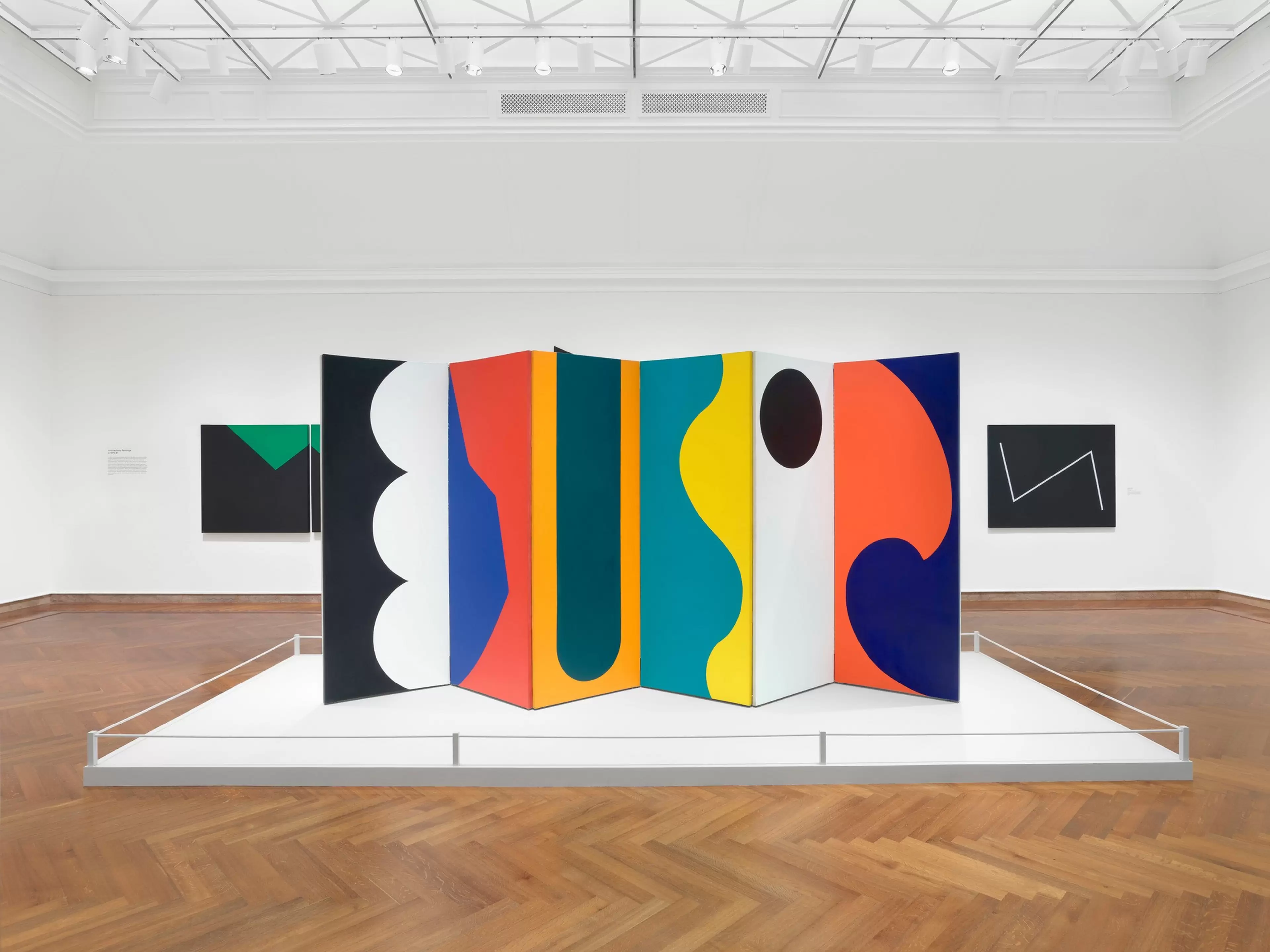
By the mid-1960s she had experimented with much reduced palettes, pairing black or green with white – “like saying yes and no” – before leaving the picture plane entirely and beginning work on her first Estructuras, a series of sculptural works occupying the wall, floor and the public realm, which also paid homage to her earlier training in architecture. Reflecting on this mid- century period, she said, “I began a lifelong process of purification, a process of taking away what isn’t essential” (2005). Herrera’s growing body of work established, quietly but steadily, a cross-cultural dialogue within the international history of modernist abstraction. Her work also chimes with her peers such as Barnett Newman and Leon Polk Smith. While receiving increasing plaudits and museum recognition later in life, Herrera remained grounded throughout, stating when aged 105 that: “Being ignored is a form of freedom. I felt liberated from having to constantly please anyone.”
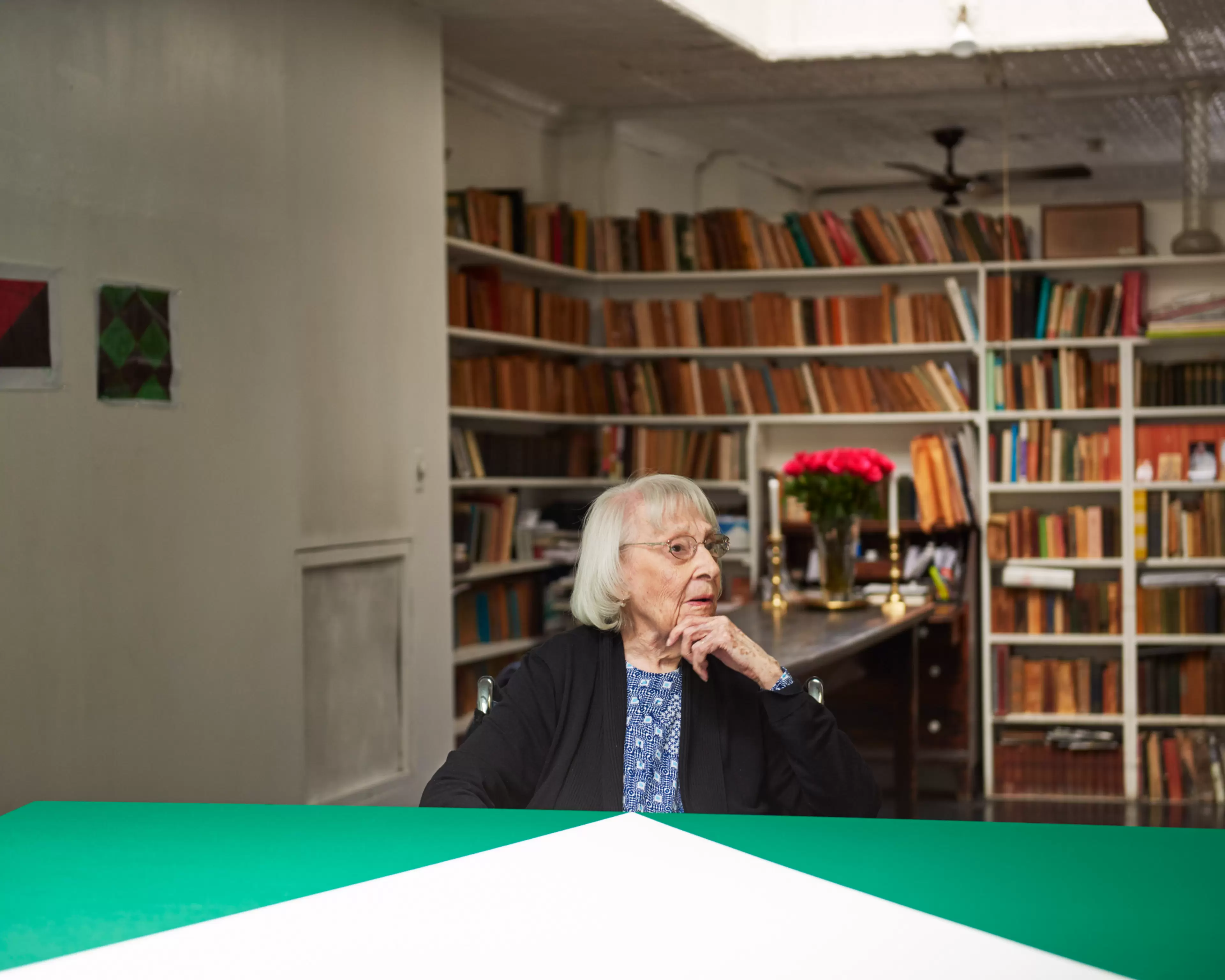
“Being ignored is a form of freedom. I felt liberated from having to constantly please anyone.”
Carmen Herrera
Acrylic on canvas
Each panel: 114.9 x 101.6 x 3.8 cm
Each panel: 45 1/4 x 40 x 1 1/2 in
Framed: Installed: 114.9 x 210.8 x 3.8 cm
Framed: Installed: 45 1/4 x 83 x 1 1/2 in
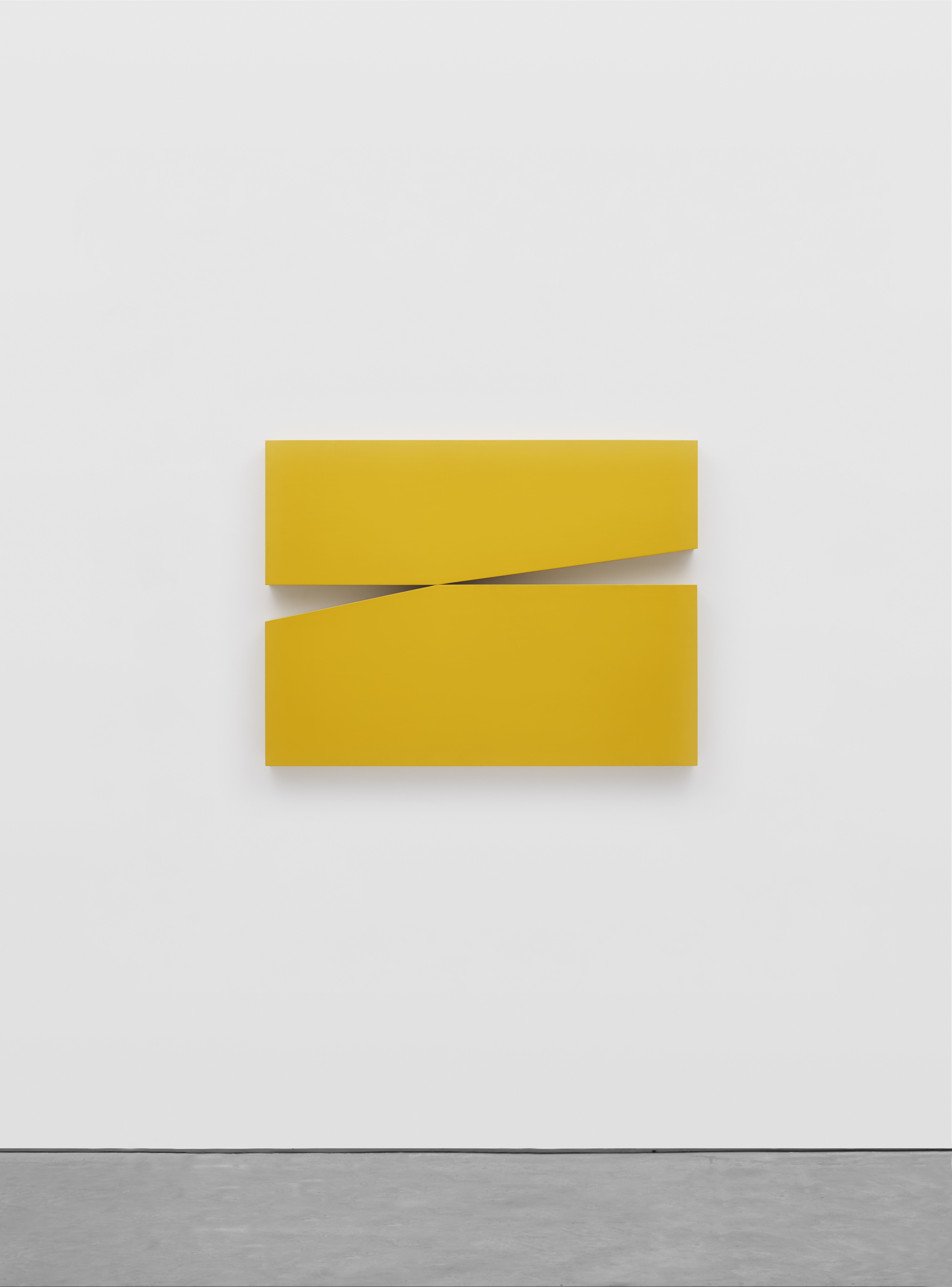
Carmen Herrera
Acrylic on wood
114.3 x 152.4 x 7.6 cm
45 x 60 x 3 in
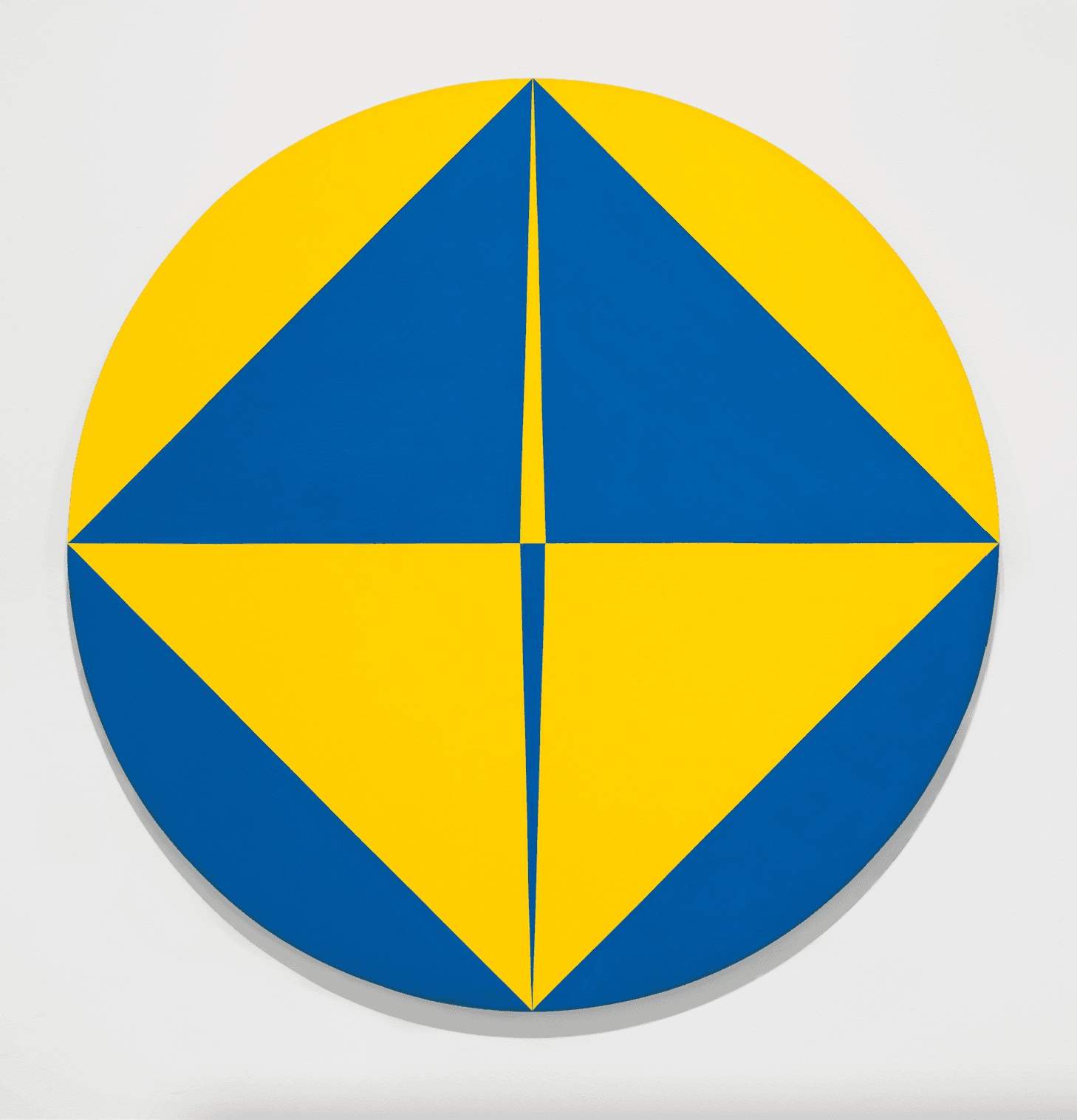
Carmen Herrera
Acrylic on canvas
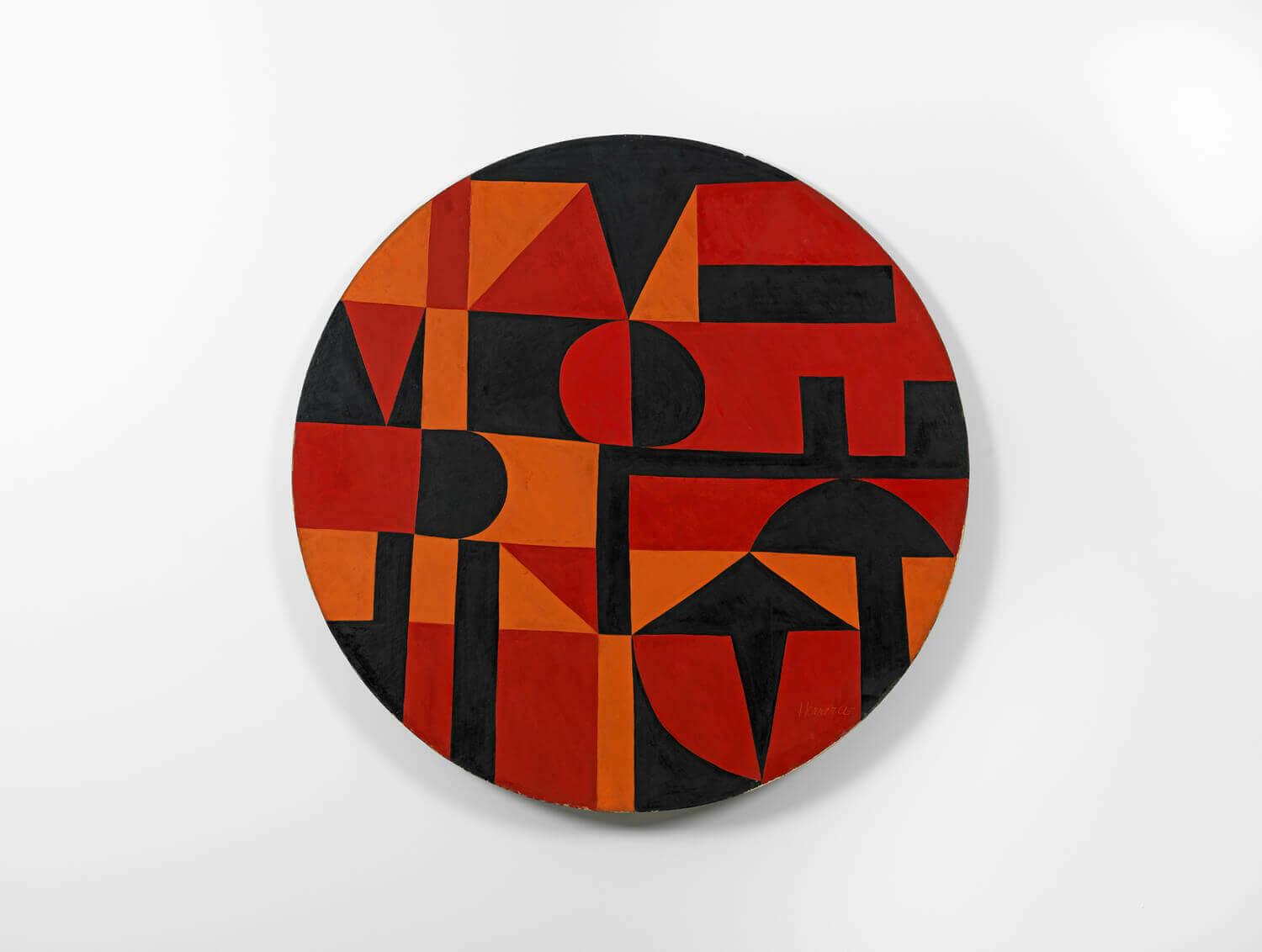
Carmen Herrera
Acrylic on Canvas on Board
101.6 cm diameter
40 in diameter
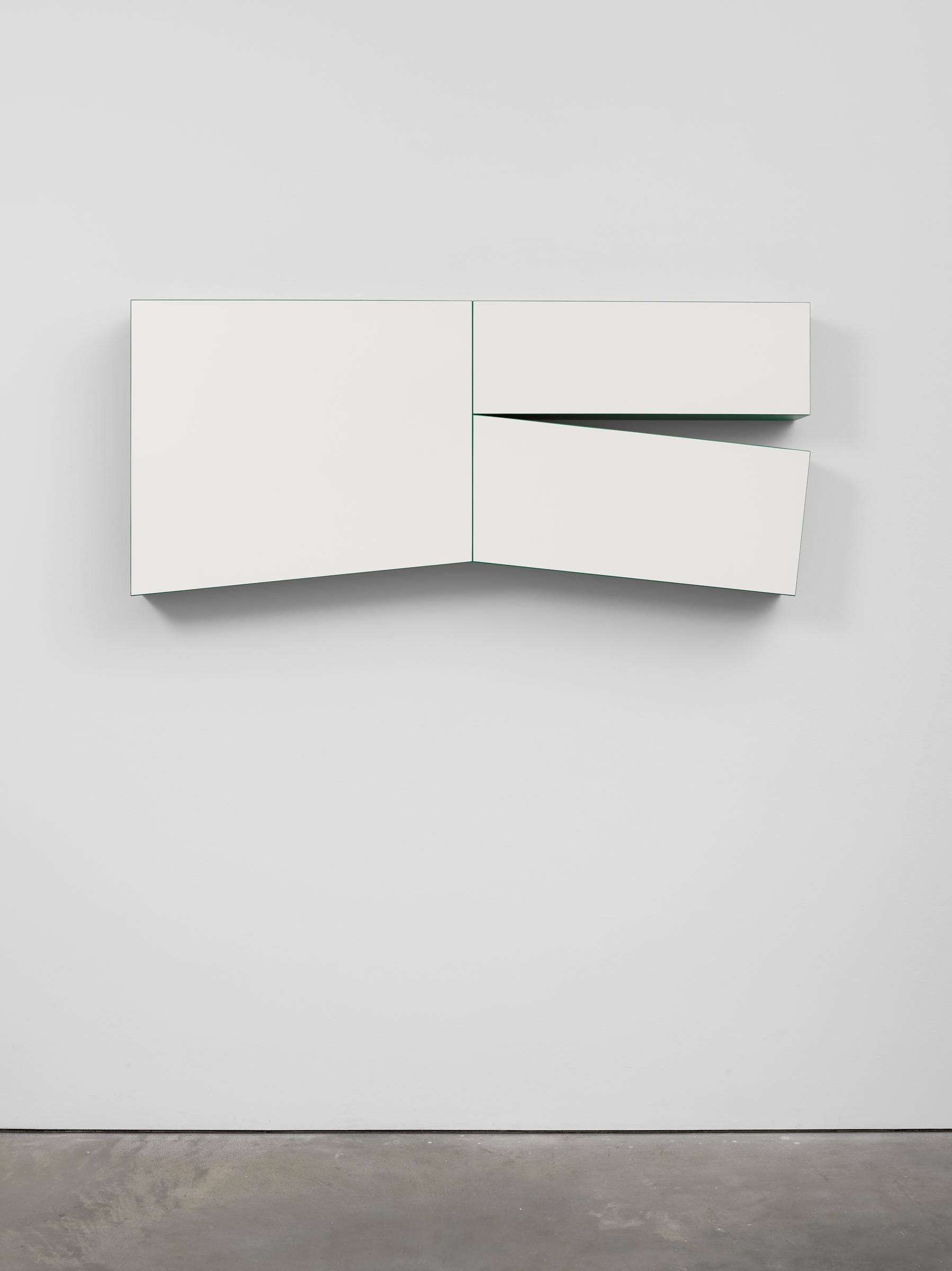
Carmen Herrera
Acrylic and aluminium
66.4 x 152.4 x 12.7 cm
26 1/8 x 60 x 5 in
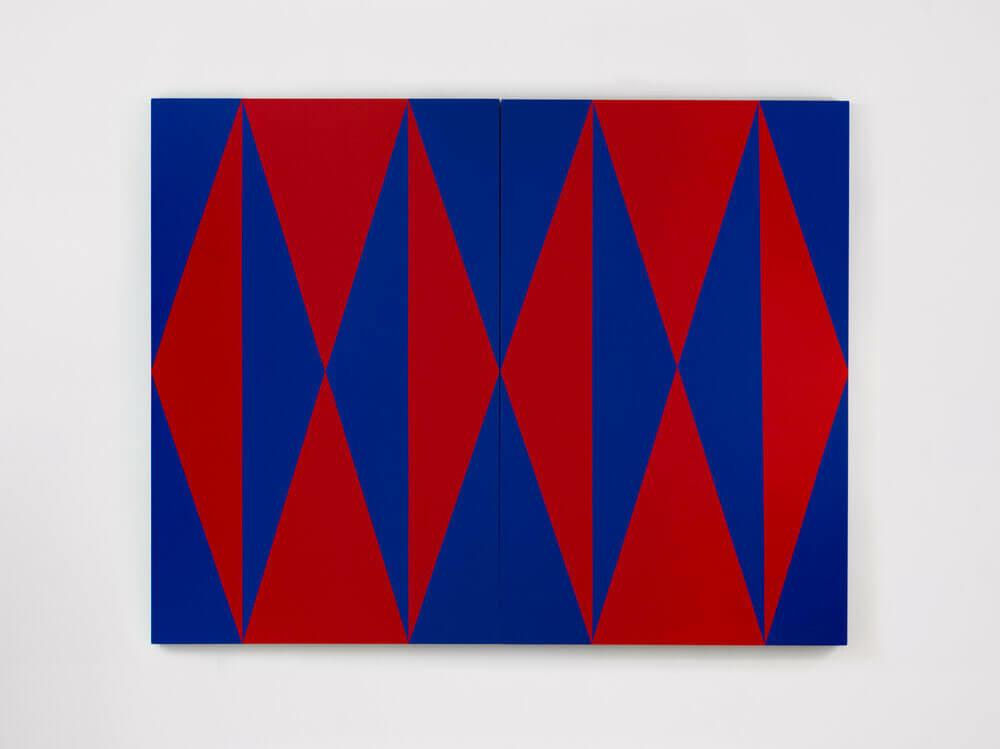
Carmen Herrera
Acrylic on canvas
Each panel: 168 x 107 x 4 cm
Each panel: 66 1/8 x 42 1/8 x 1 5/8 in
Framed: Overall: 168 x 214 x 4 cm
Framed: Overall: 66 1/8 x 84 1/4 x 1 5/8 in
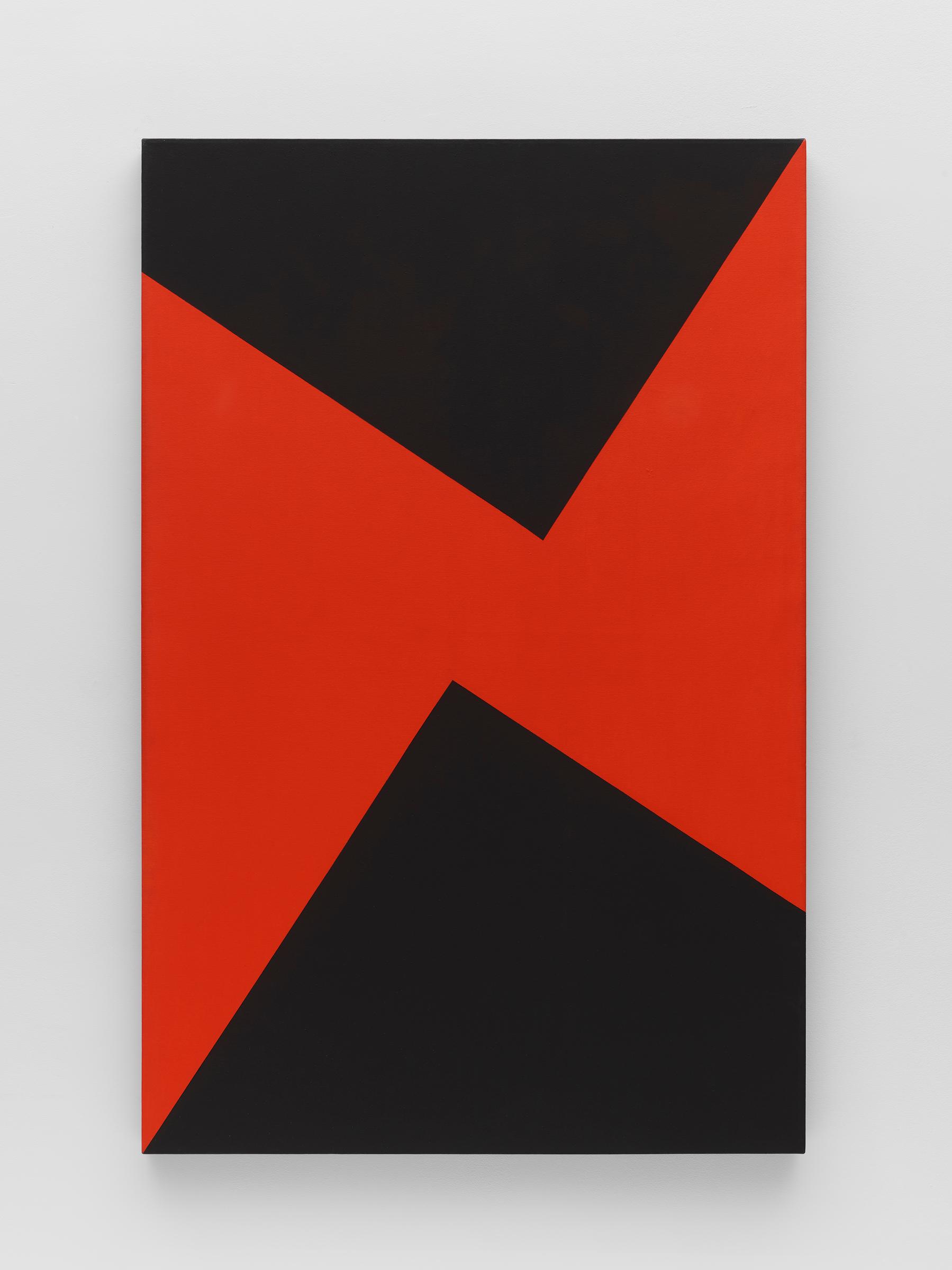
Carmen Herrera
Acrylic on canvas
163.2 x 107 x 5.1 cm
64 1/4 x 42 1/8 x 2 in
New York, 2025
gallery
2025
New York, 2024
gallery
2024
Los Angeles, 2023
gallery
2023
New York, 2022
gallery
2022
, 2020
online
2020
New York, 2020
gallery
2020
East Hampton, 2020
gallery
2020
New York, 2018
gallery
2018
London, 2018
gallery
2018