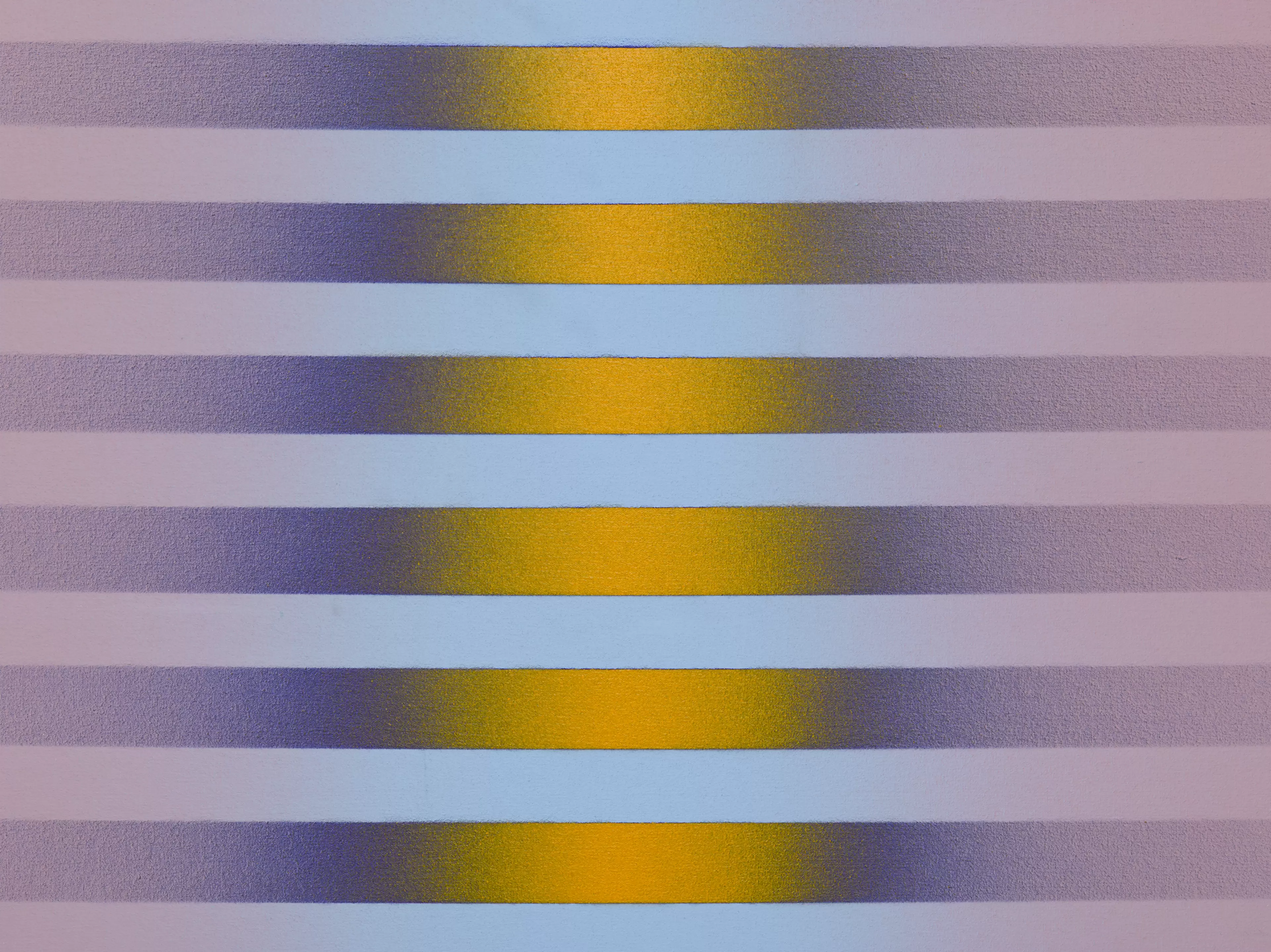
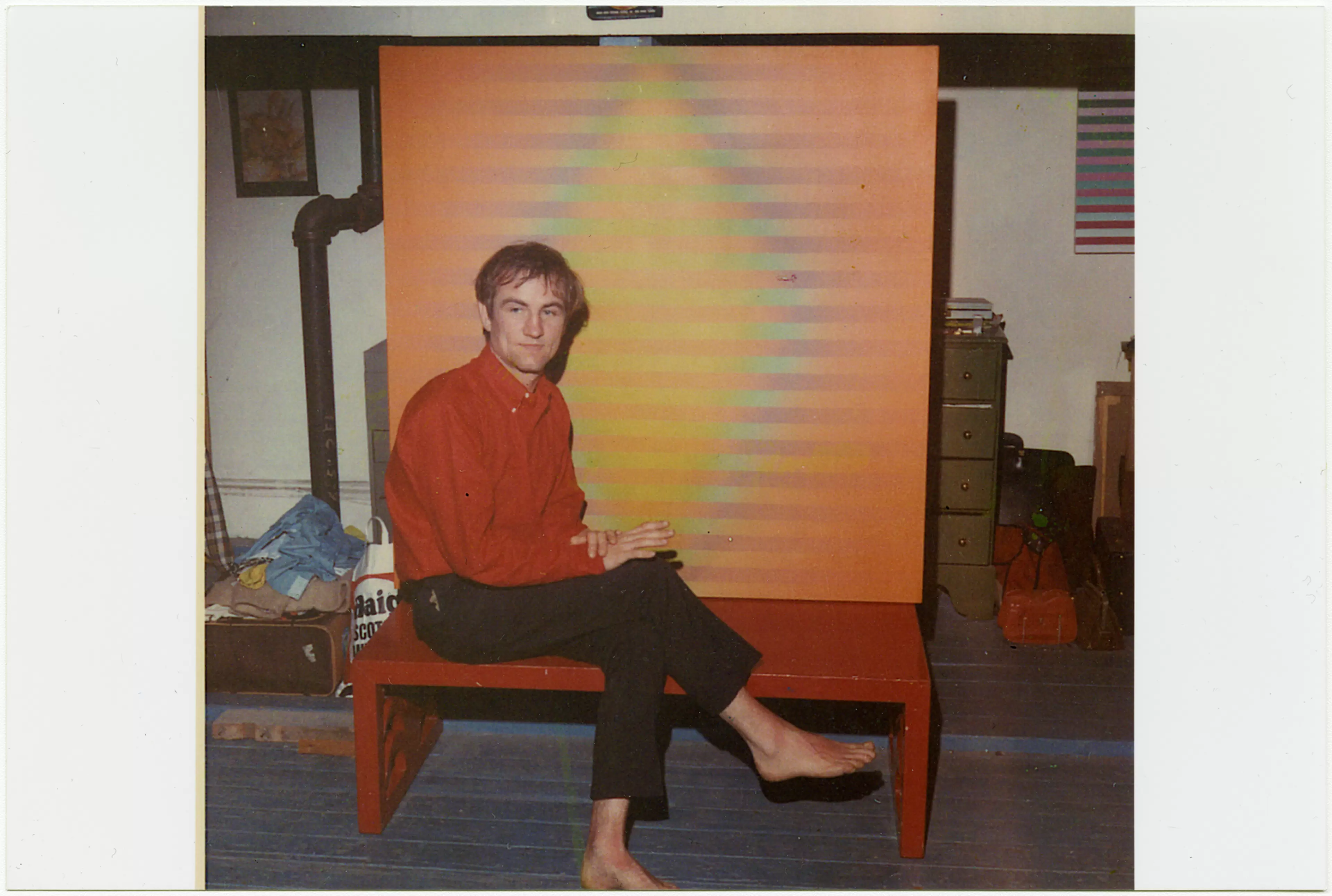
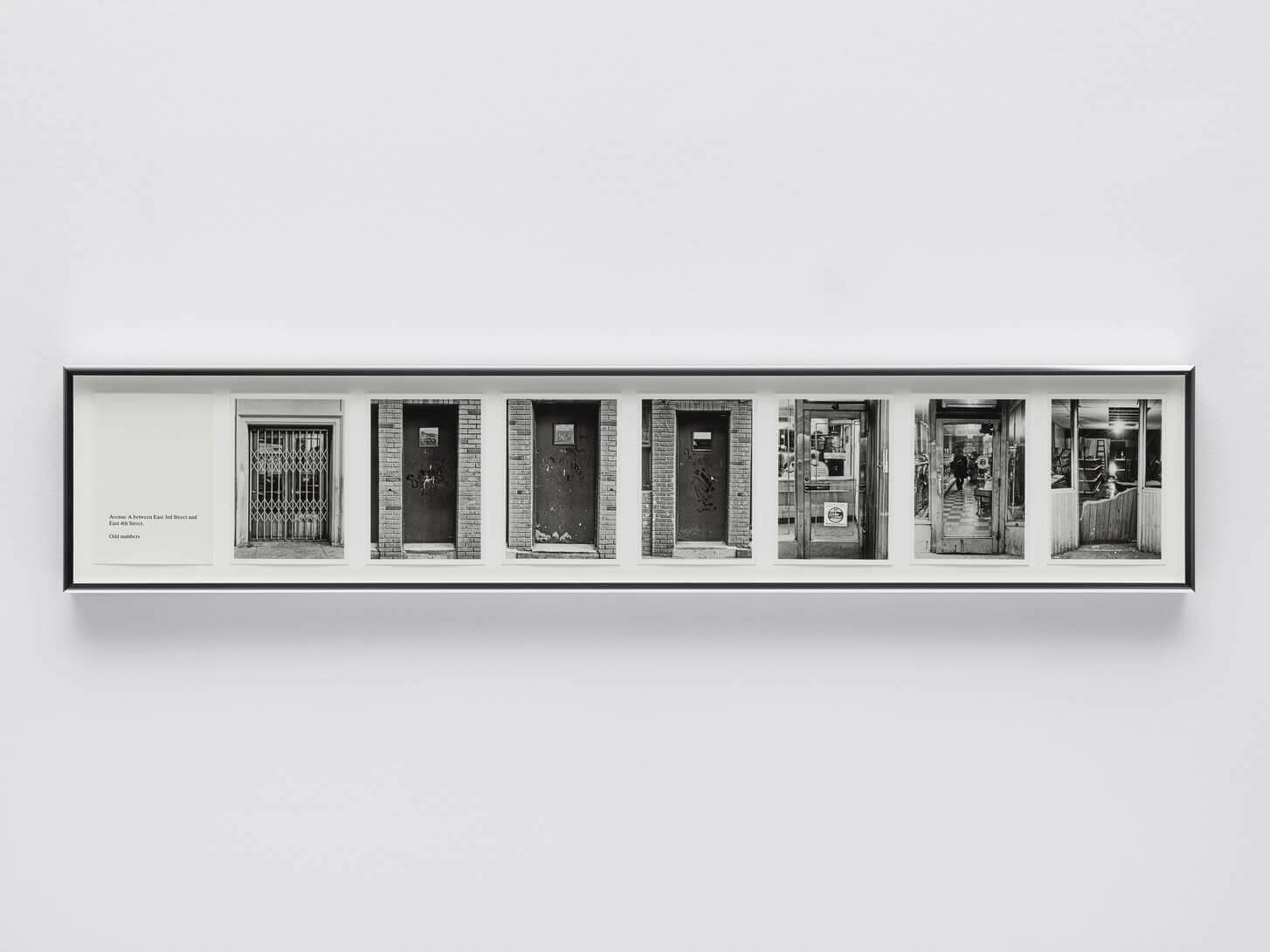
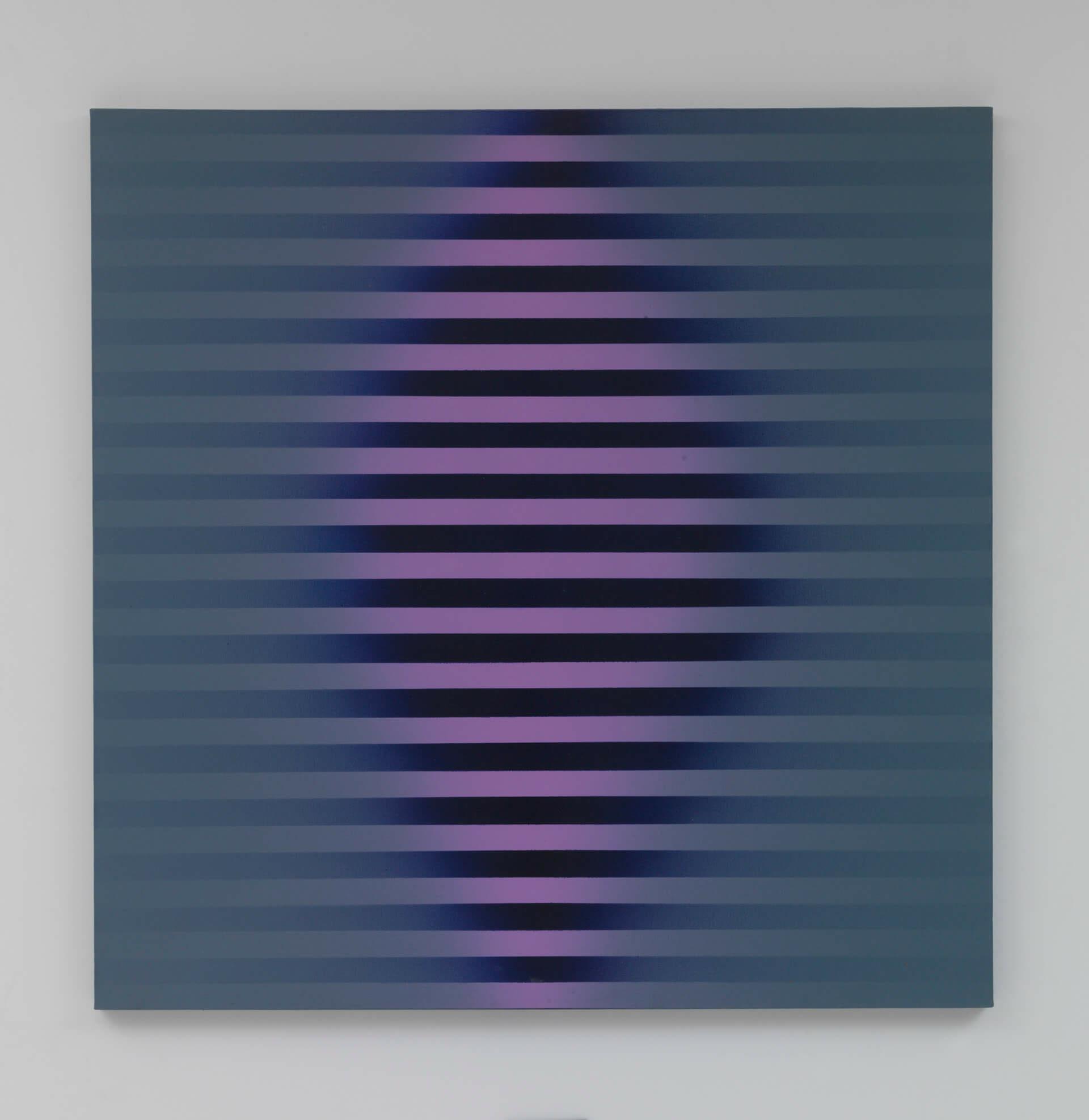
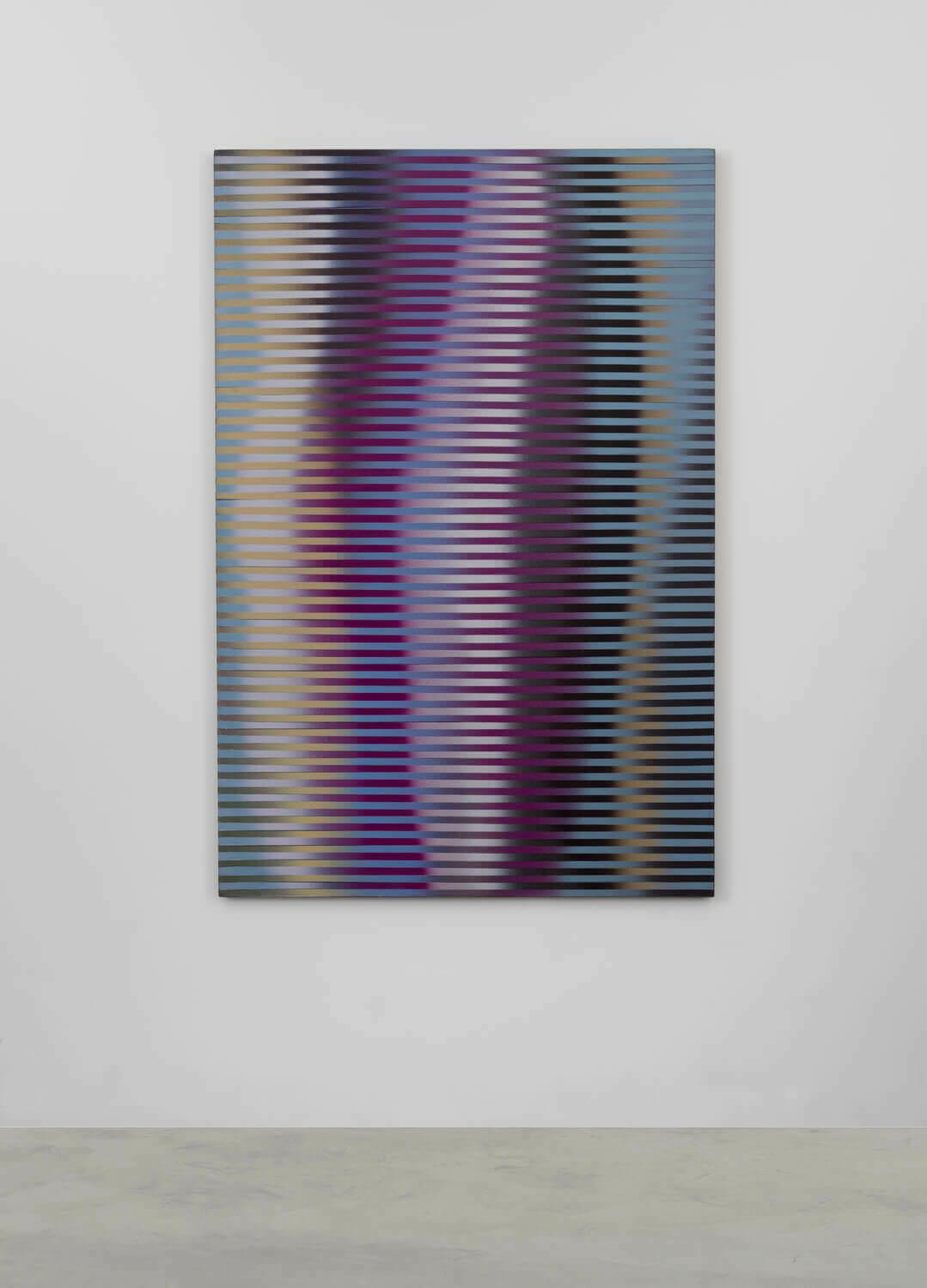
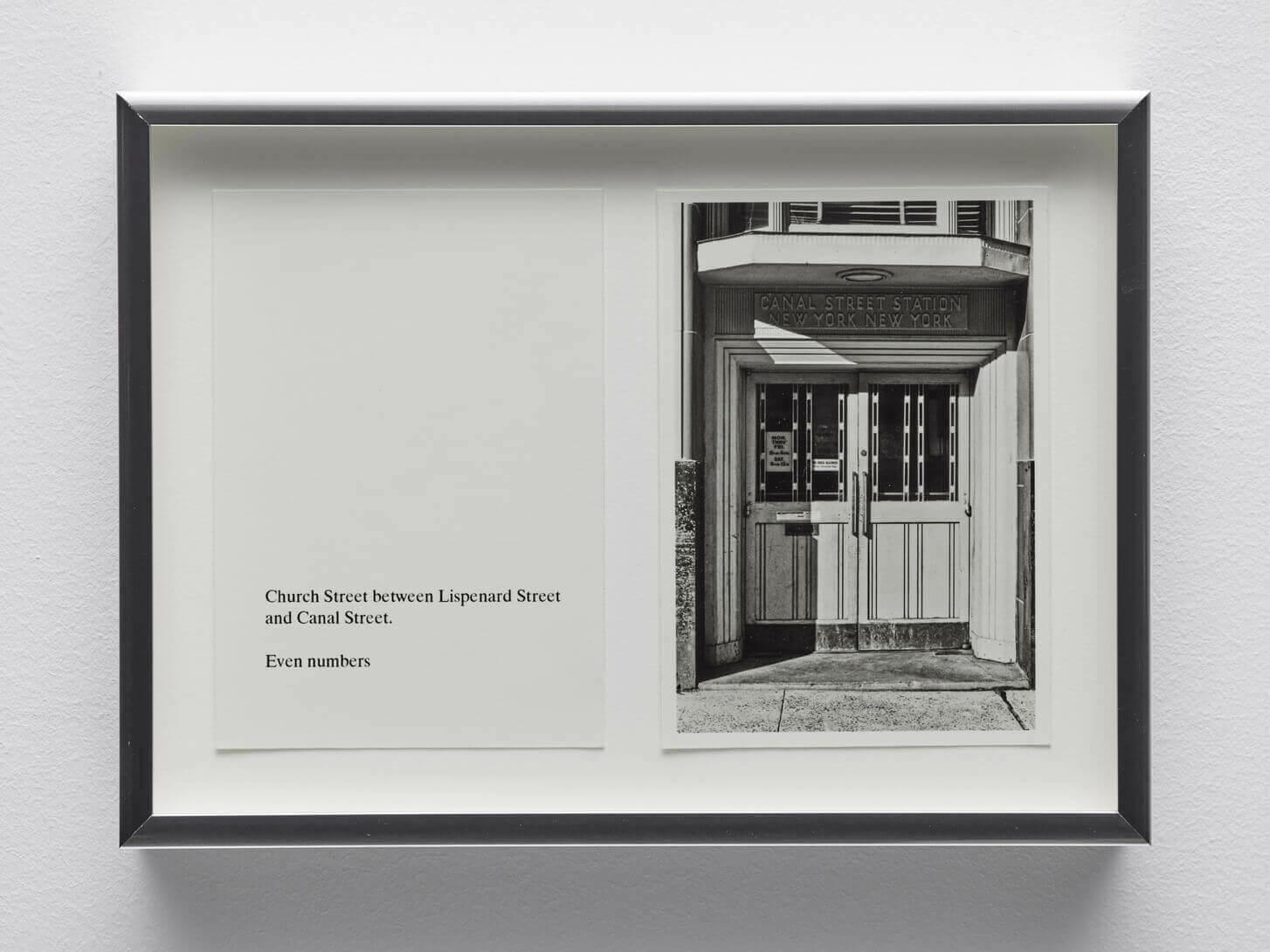
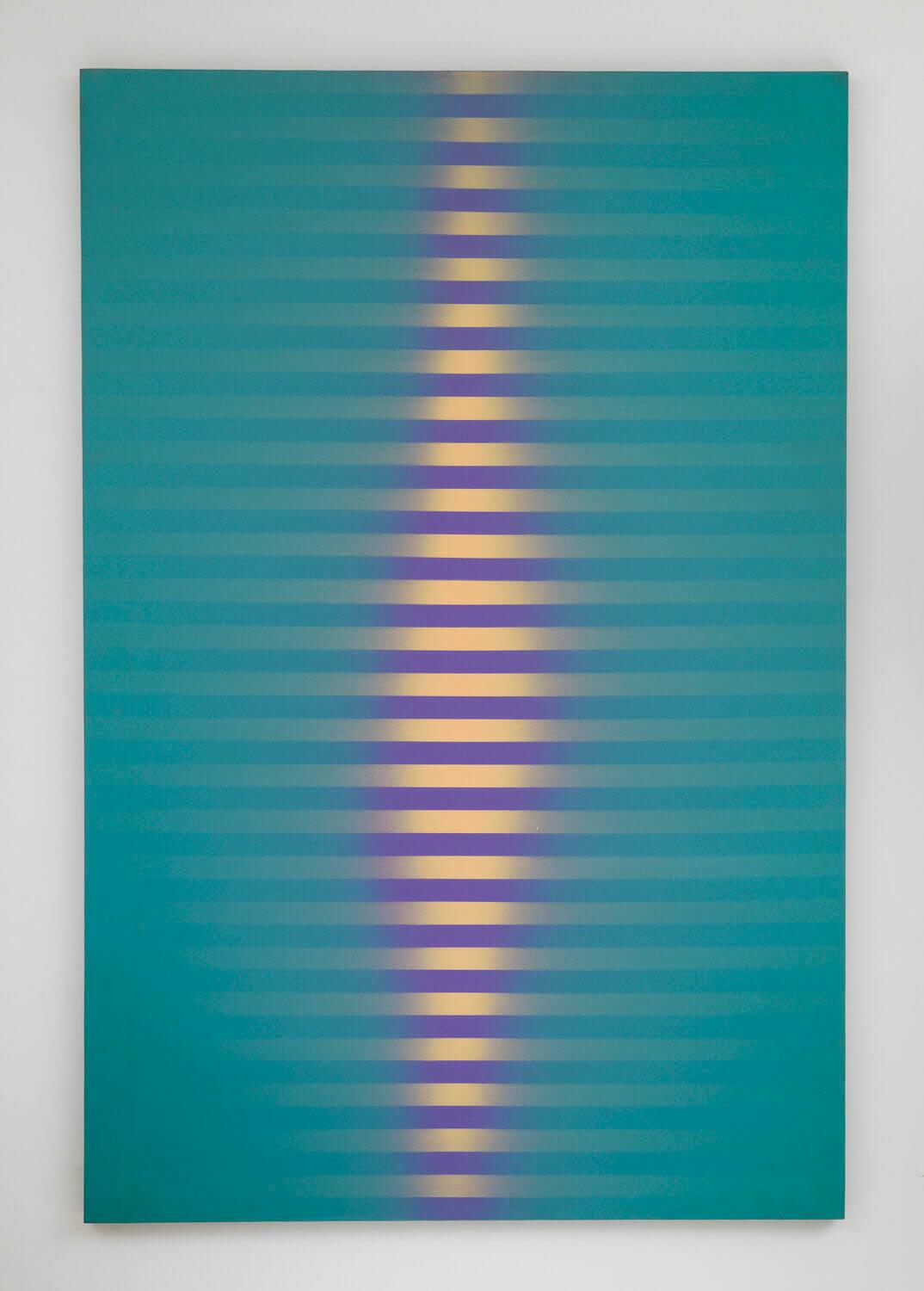
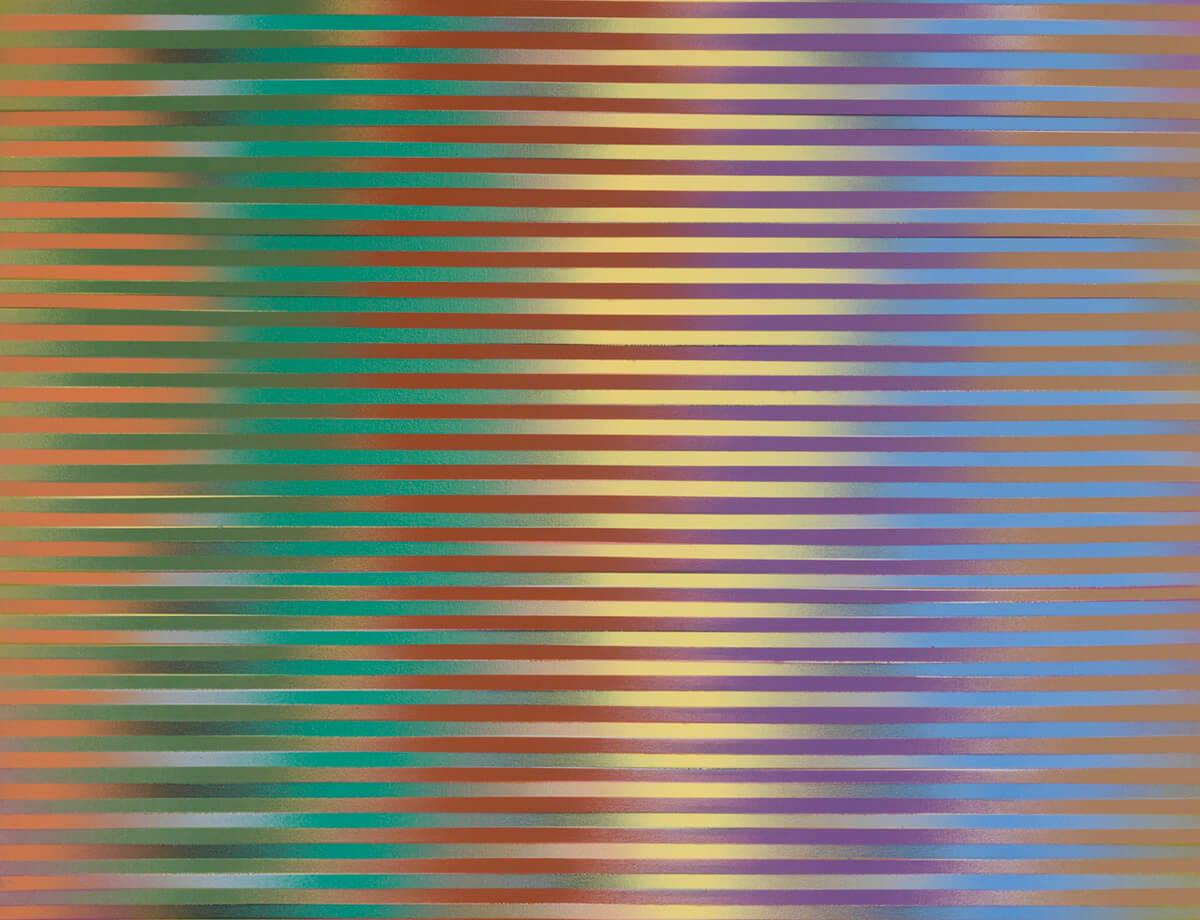
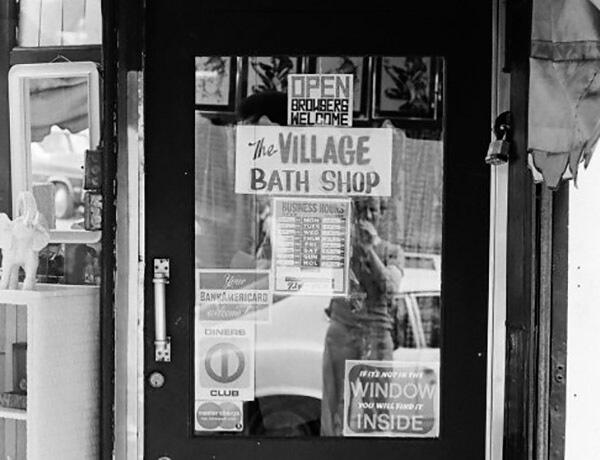
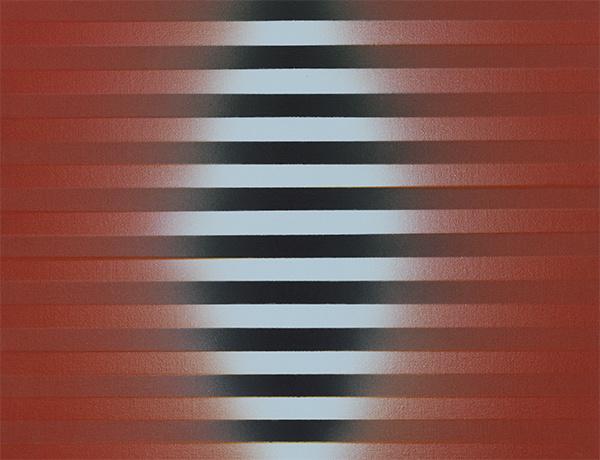
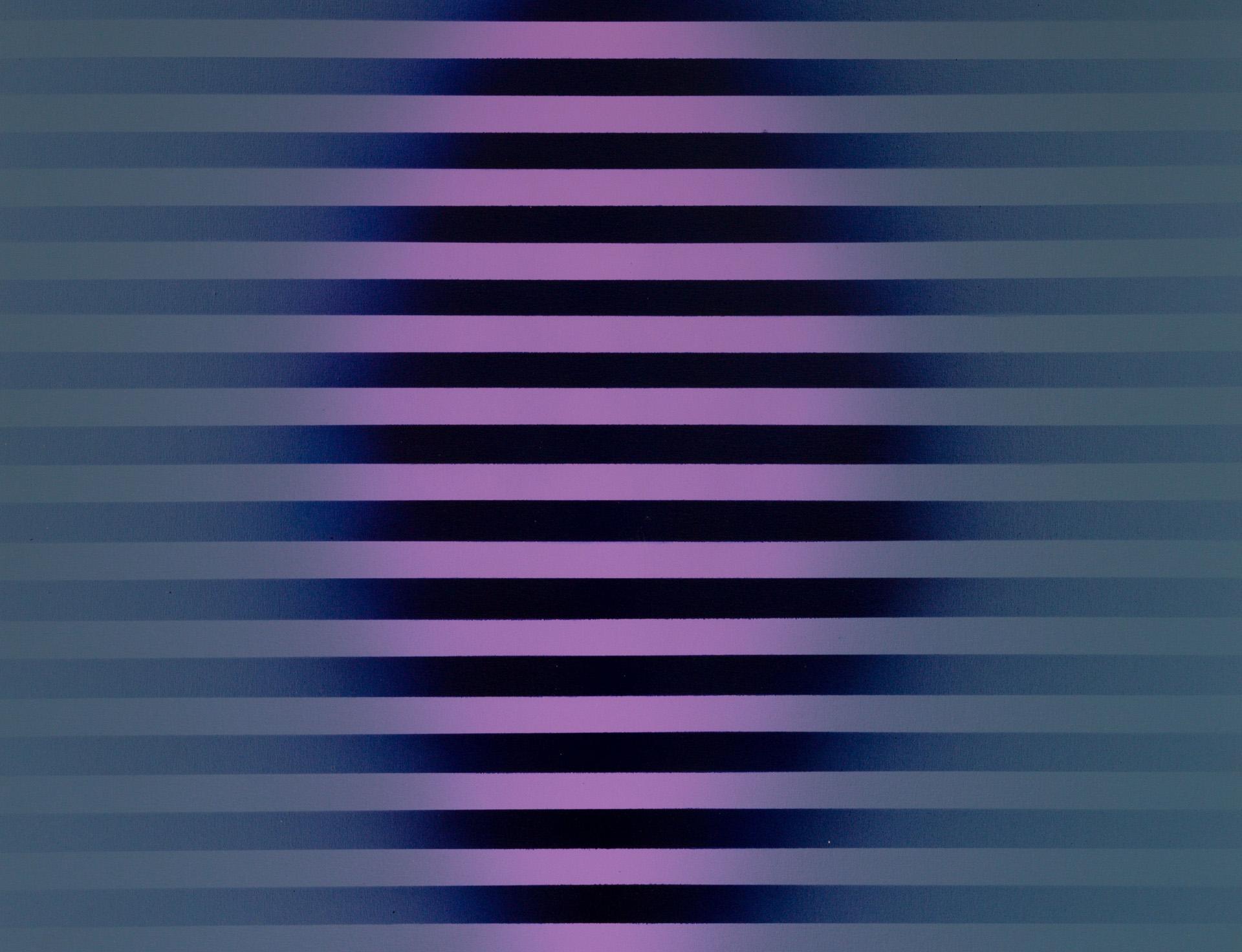
Known primarily for his conceptual photography, film projects and colour-intensive paintings, Roy Colmer challenged the boundaries between these disciplines in order to develop a new kind of perception. Inspired by the shifting artistic cultural landscape brought about through the introduction of electronic media, Colmer connected the surfaces of his paintings to video through the use of spray techniques and a careful selection of colour, suggesting filmic effects such as movement, flicker, distortion, and as Colmer described, “feedback.” He was interested in the immediacy and versatility of the spray gesture and the ability to manipulate space and depth through colour and form, notions influenced by his Concretist mentors at the Hochschule für Bildende Künste in Hamburg, Germany. By the early 1970s, Colmer began to incorporate this telegenic feedback directly into his practice, increasingly working in video and film. His exploration and manipulation of electronic signals was part of a larger group of artists working in the area at the time, among them Nam June Paik and Bruce Nauman. Colmer stopped experimenting with paint entirely a few years later and focused his attention on photography and documentary projects, culminating in his seminal project. Titled Doors, NYC, the work is comprised of photographs of more than 3000 doors, inclusive and in sequence, on 120 intersections and streets of Manhattan from Wall Street to Fort Washington.