press
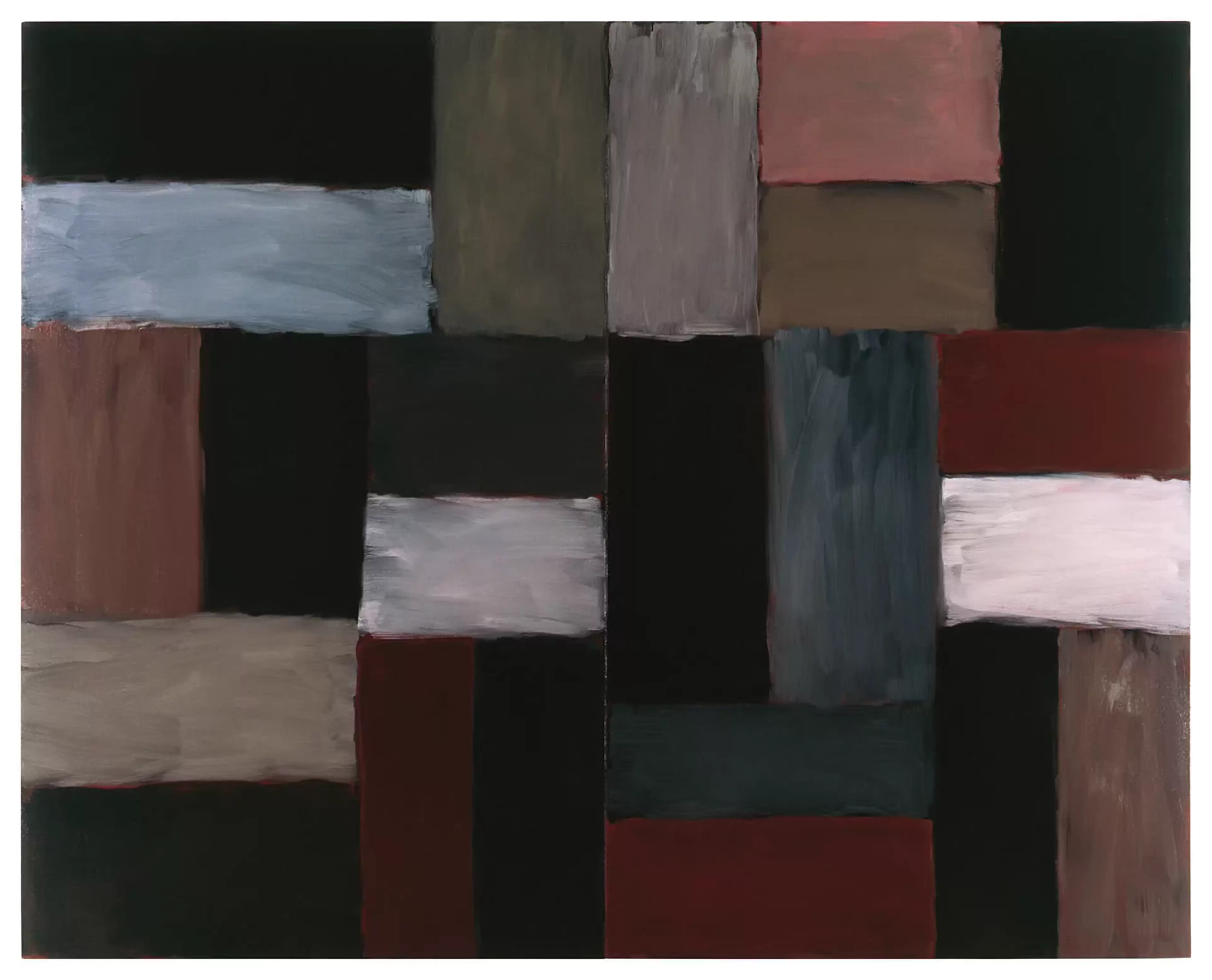
Sean Scully Featured in ‘Ground Zero 360 – Remembrance’ at the New York City Fire Museum
‘Cézanne et nous’ at the Grand Palais, Paris, 23 September 2026 – 17 January 2027
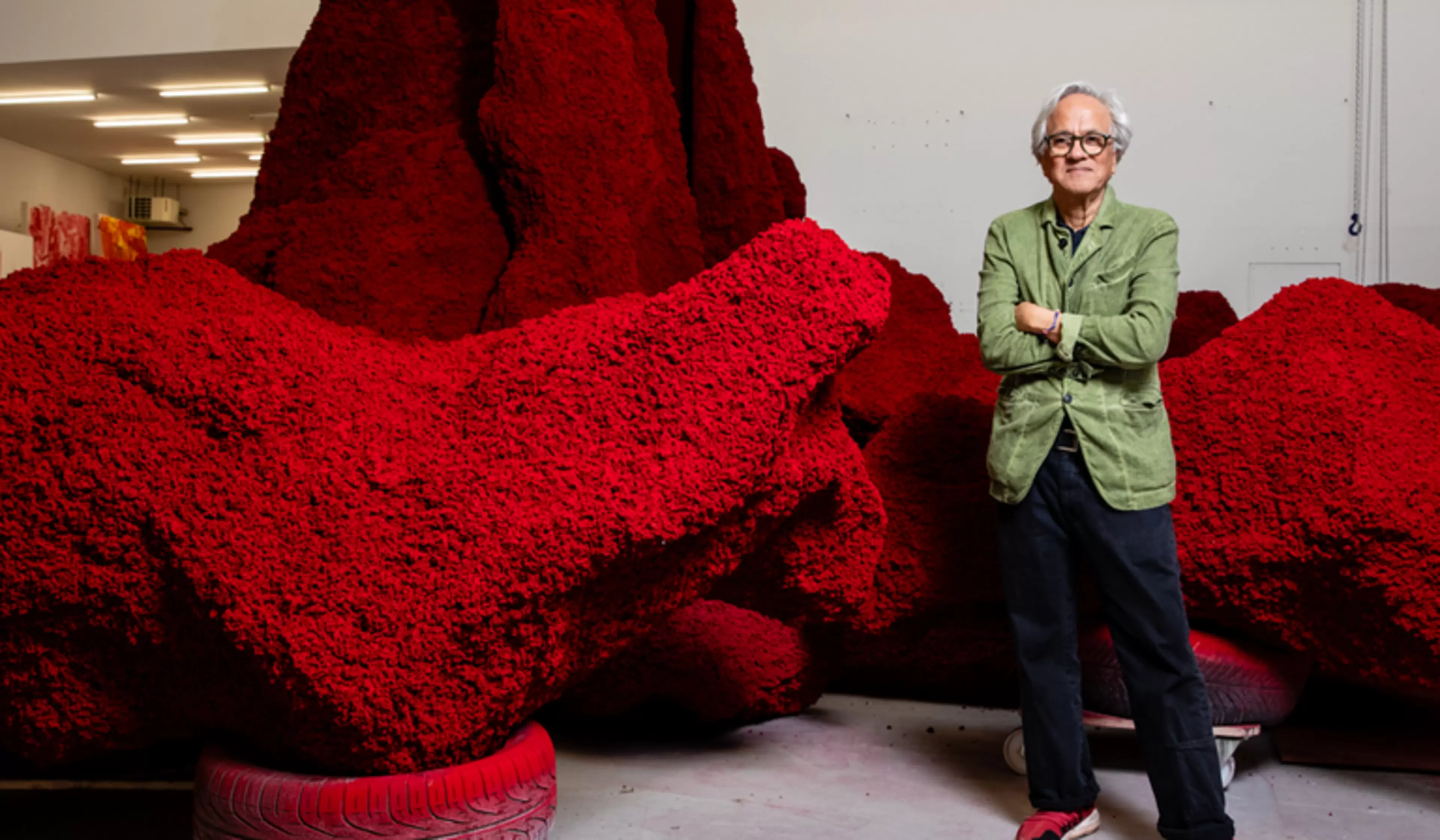
‘The cosmic paradox of Anish Kapoor’ - Prospect Magazine
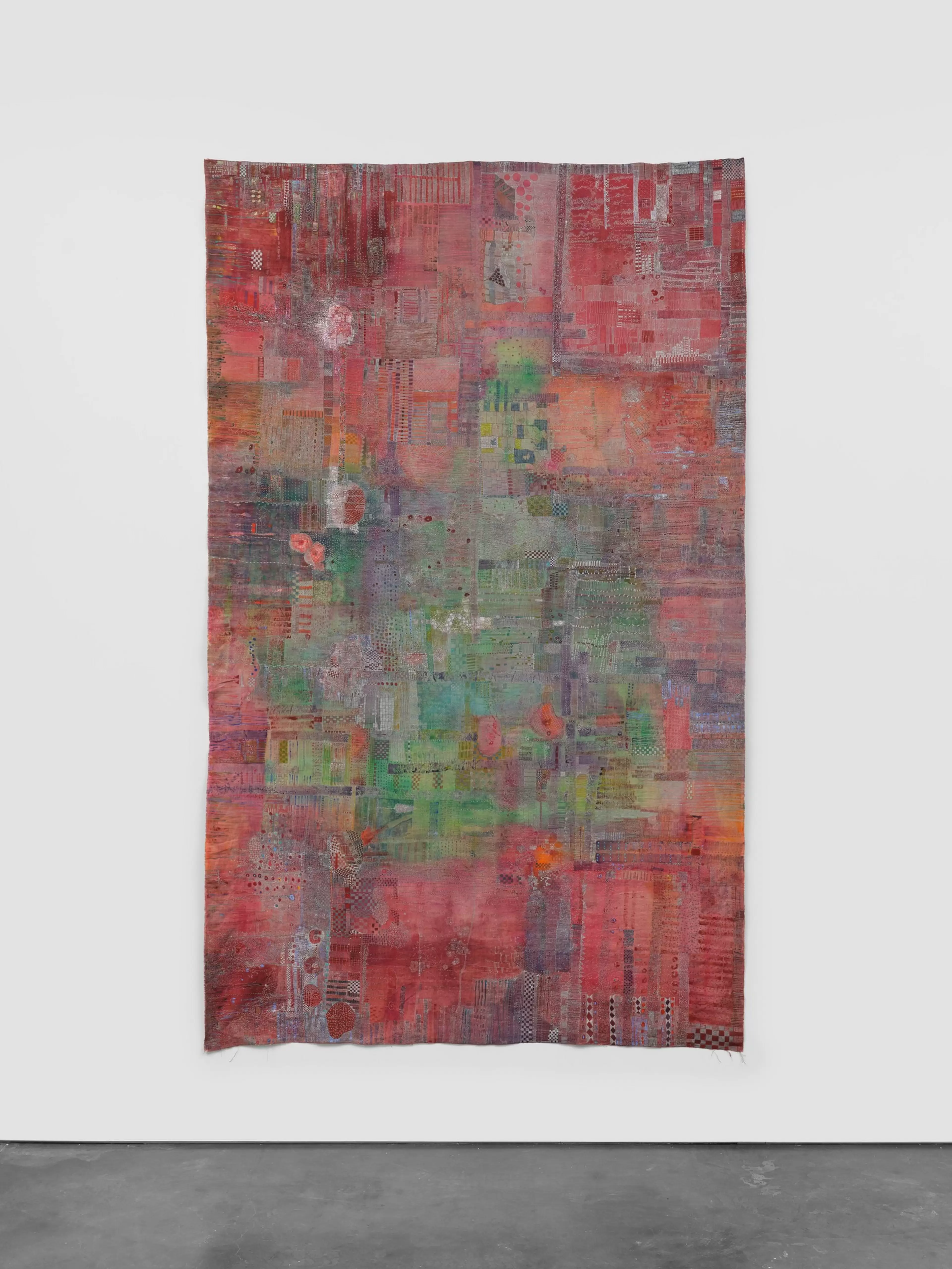
‘Huguette Caland: A Life in a Few Lines’ at the Hammer Museum
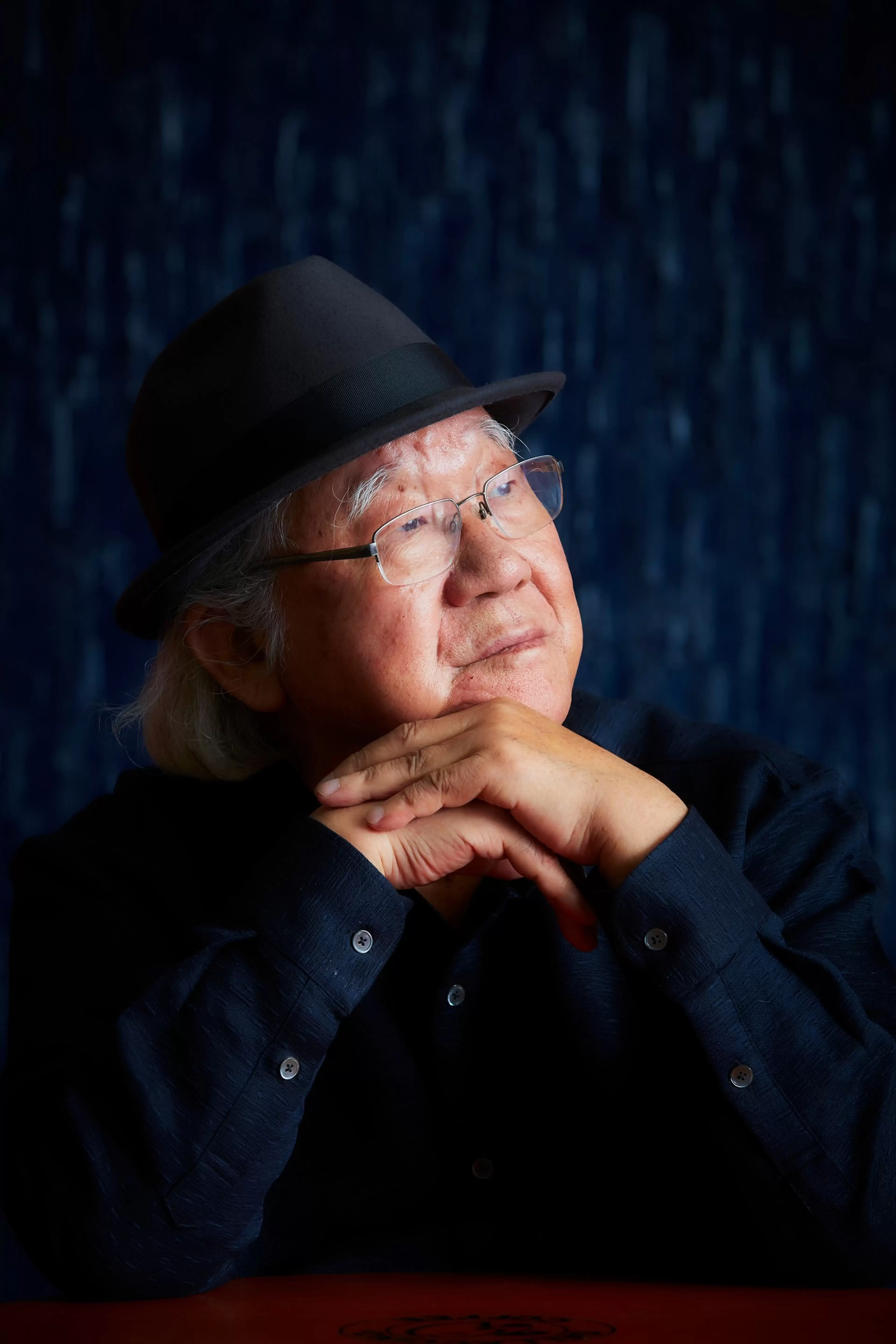
'Ha Chong-Hyun: 'The technique was revolutionary'
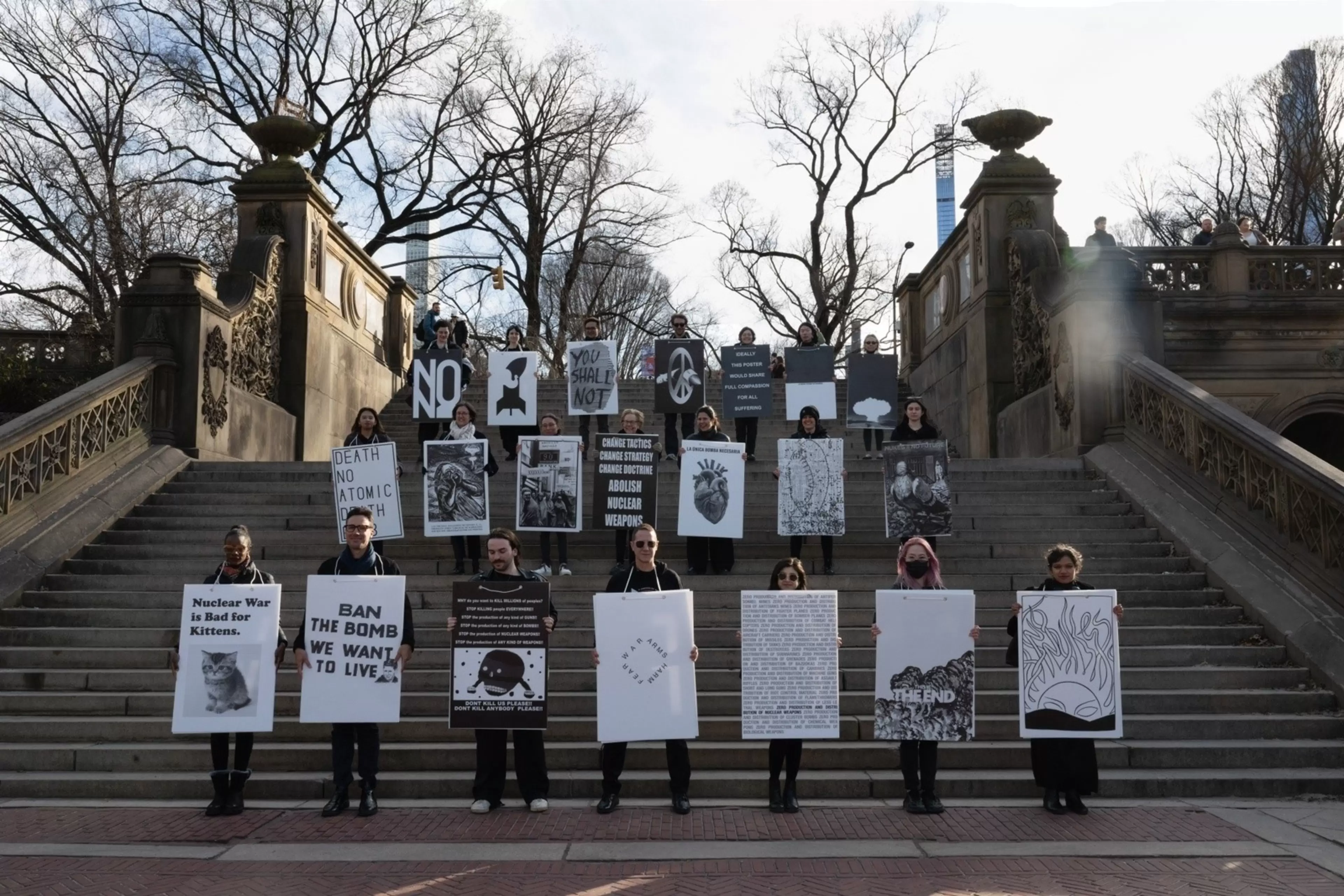
Pedro Reyes Featured in ‘Homeroom: Artists Against the Bomb’ at MoMA PS1
News
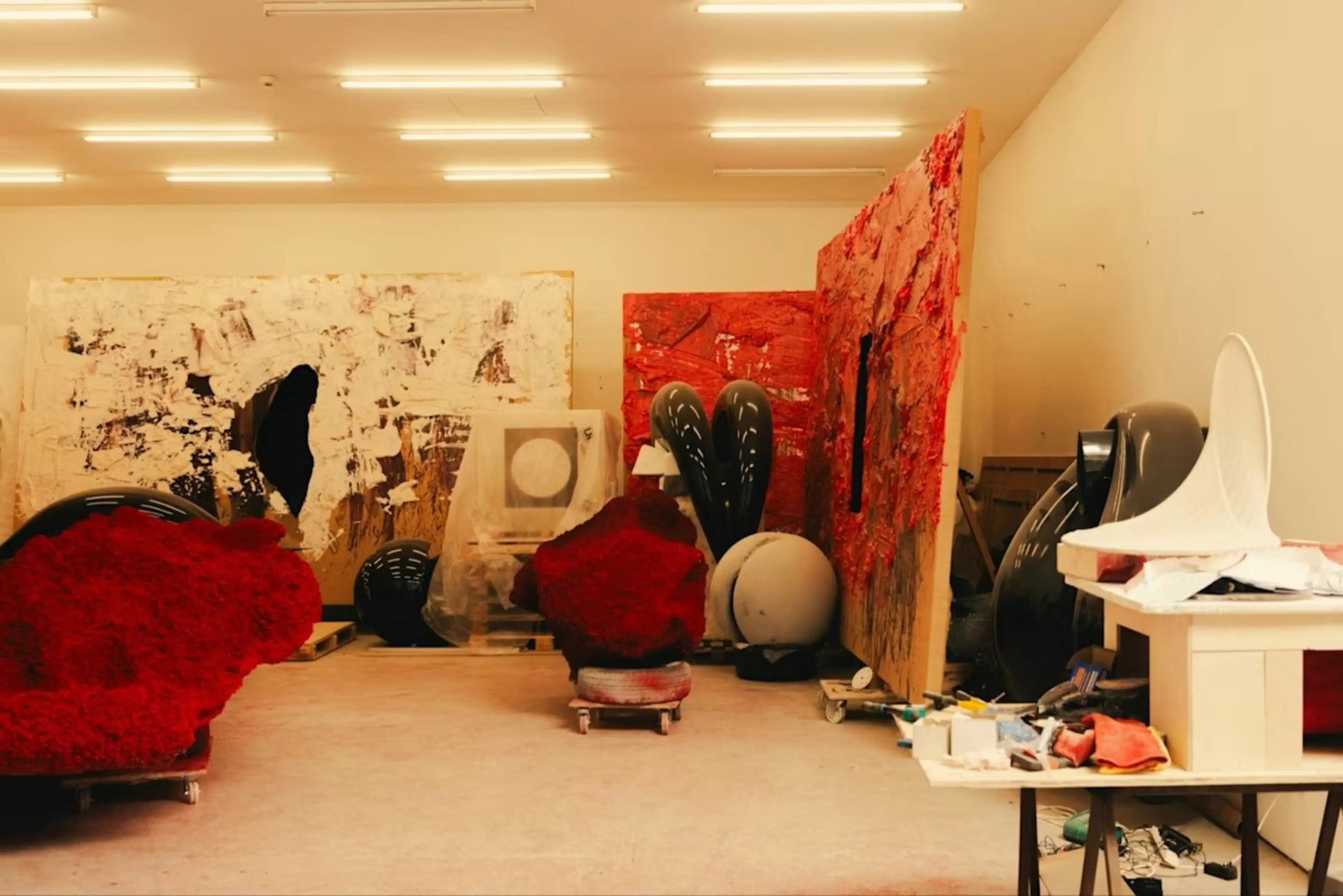
Below is an excerpt from the interview with Anish Kapoor, on the occasion of his presentations at Palazzo Manfrin, Venice; the Hayward Gallery, London; the Serlachius Manor in Mänttä, Finland; and the SCAD Museum of Art, Savannah.
“Museums all over the world are obsessed with where an artist comes from,” Kapoor tells me. “I’m sorry, that’s fine. It’s lovely. Okay, perhaps it was well overdue. But it’s not the real point. We still have to come back to those rather difficult, fundamental questions about whether the object of whatever kind holds any poetic value.”
It should be said that Kapoor was not always so eager to eschew identity as he is now—in a BBC radio interview with the art critic William Feaver in 1983, he described his work as “a re-discovery of how to be Indian, something that I’d perhaps forgotten”—but the change is likely a consequence of how much his own identity defies any easy categories or straightforward allegiances. Born in India to a Punjabi Hindu father and an Iraqi-Jewish mother who had fled persecution in Baghdad, Kapoor was educated at the Doon School—often called the “Eton of India”—before spending some time in his teens on a kibbutz in Israel. Dyslexic, he gave up studies in electrical engineering to become an artist, leading him to art school in London. By the early 1990s, having already represented Britain at the Venice Biennale before becoming a citizen, he would for a time be regarded as belonging to a distinctly British school of contemporary sculpture, alongside the likes of Antony Gormley and Rachel Whiteread.
In any case, one thing that makes Kapoor’s work an interesting challenge is how we are meant to approach it in the absence of such autobiographical handrails. The natural appeal of a human story is how easily it can be parsed; the artist who uses their life as their principal subject creates something that we can see and understand within the mirror of our own lives. When an artist refrains from doing this, as Kapoor does, we are forced into a more interrogative posture. What is this? How am I supposed to look at it? What is it about? What is it meant to mean?
An easy answer might be that Kapoor is trying to tap into something universal, something that we all share regardless of who we are or where we’re from, but then Kapoor himself bridles at this suggestion: “Universal for whom?” he fires back. Equally, he is resistant to the idea that our response should be exclusively or principally visceral, as might be expected of his blood-and-guts sculptures; there must also be something cerebral and planned. “I like the idea of eliciting reactions that are beyond words, where you tumble into feeling a sensation, something that you don’t quite know how to describe,” he says. “The question there is always, is it incidental or is it carefully worked at? And, of course, it’s a bit of both.”
Even so, across our two conversations it becomes hard to avoid noticing that we return frequently to some big questions about the unknowable nature of consciousness, the draw of the mythical, the existence of a “hidden inner language”—about something that is, if not universal, then at the very least innate and indivisible. “What resources do we have as human beings?” he asks me. “We have our little story, each one of us our little story. But it’s the way that it can come to have mythological, historical recall that is the important thing.” This is what it all comes down to: “Does it just relate to my little story, or can my little story transcend and become something else?”