Press
Lisson Artists Featured in TIME100 Art: The Most Influential People in Art of 2026
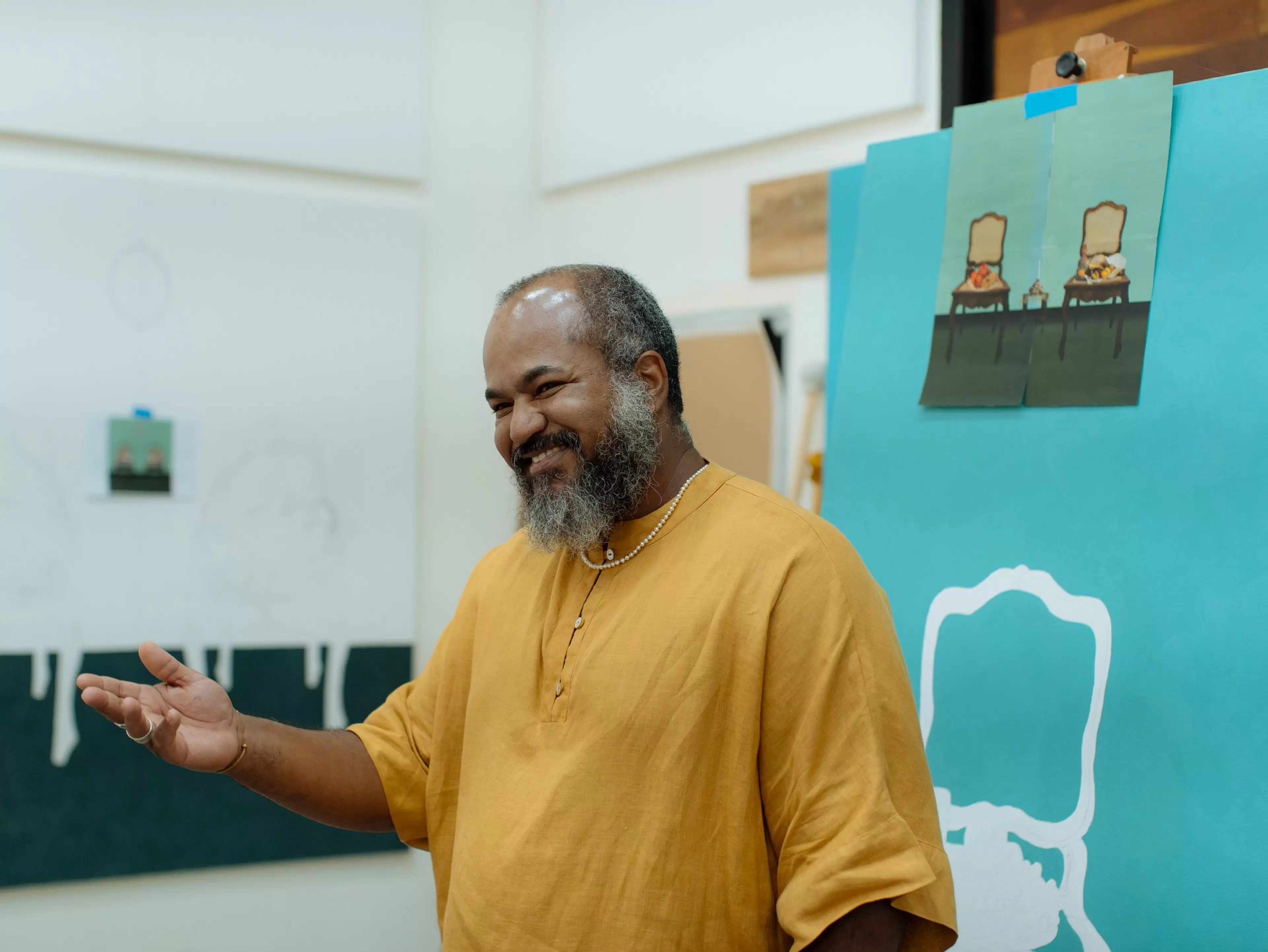
Work in Progress: Dalton Paula – Frieze
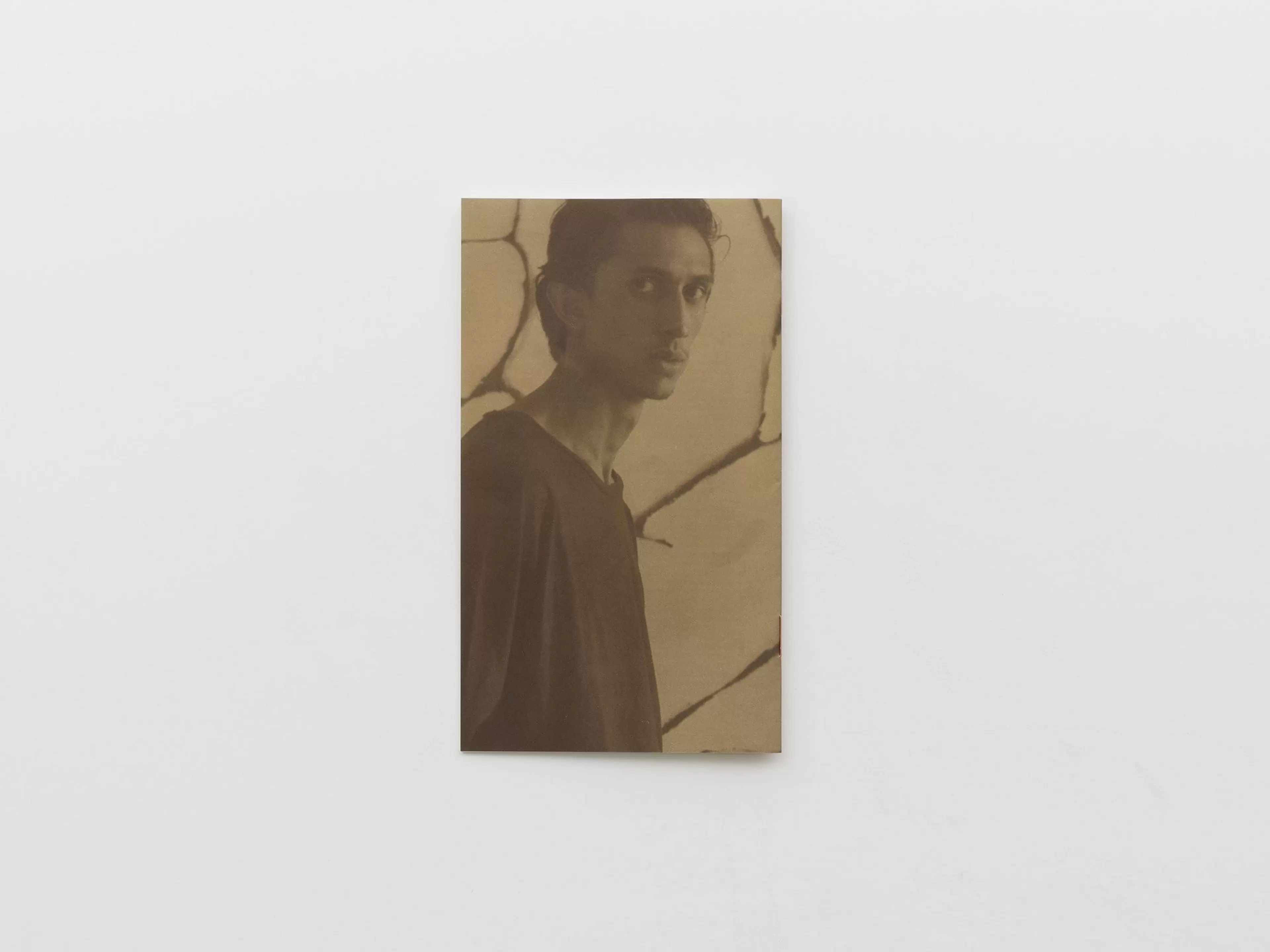
Publication of 'Emanations: On Leonilson', featuring an essay by Andrew Durbin
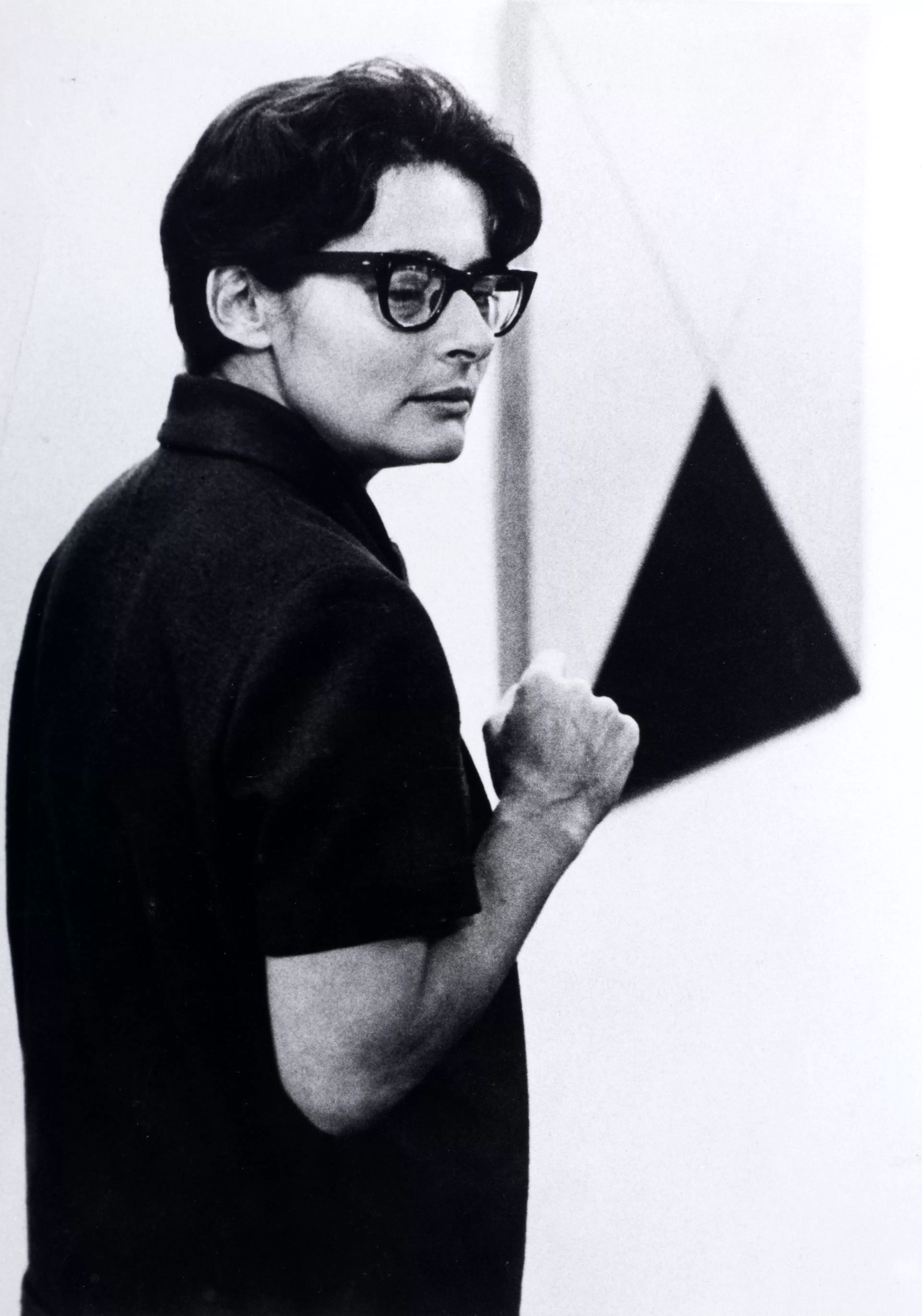
Announcing Representation of the Estate of Mira Schendel
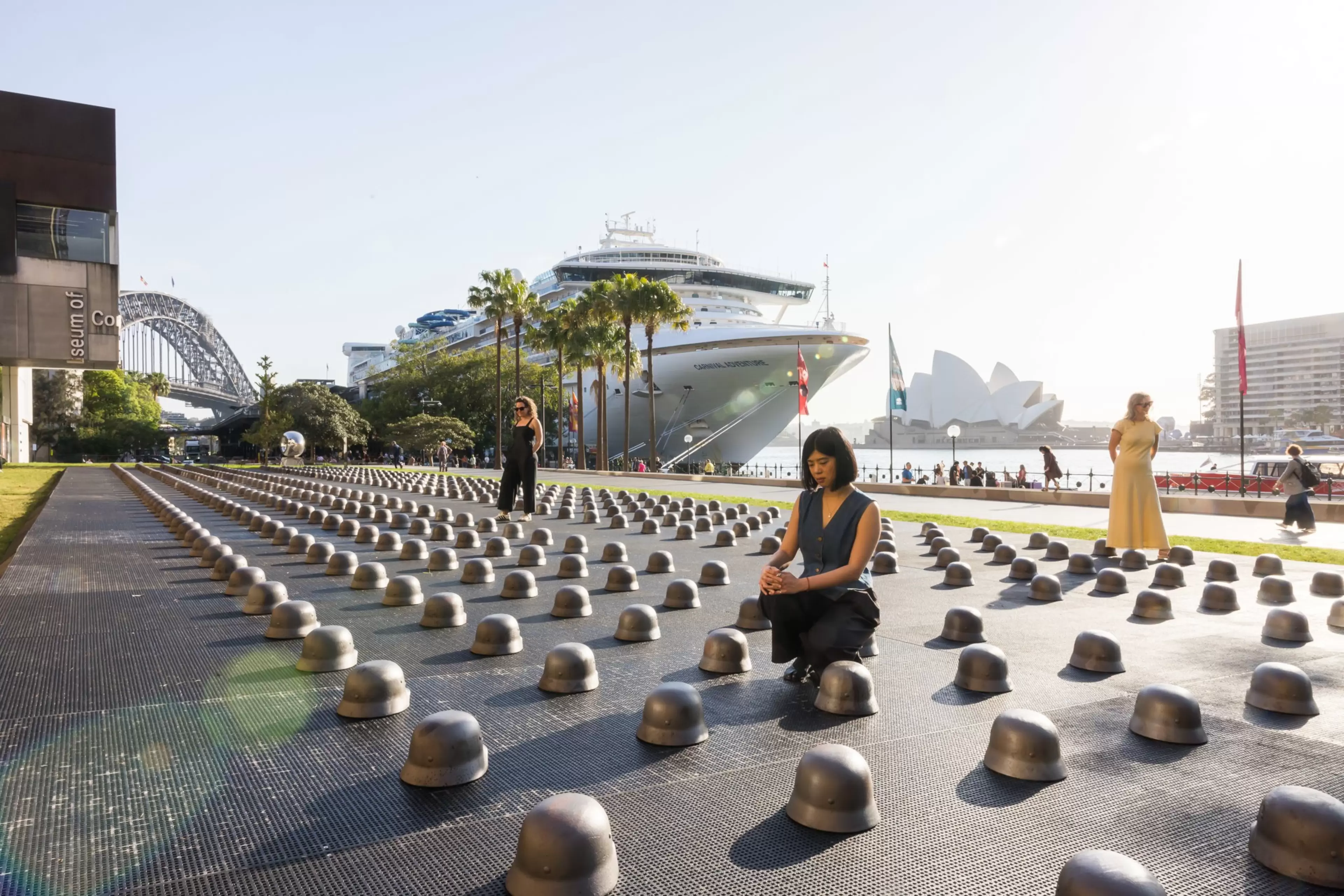
Ai Weiwei unveils ‘Mushrooms’ at MCA Australia for the 2026 Neil Balnaves Tallawoladah Lawn Commission
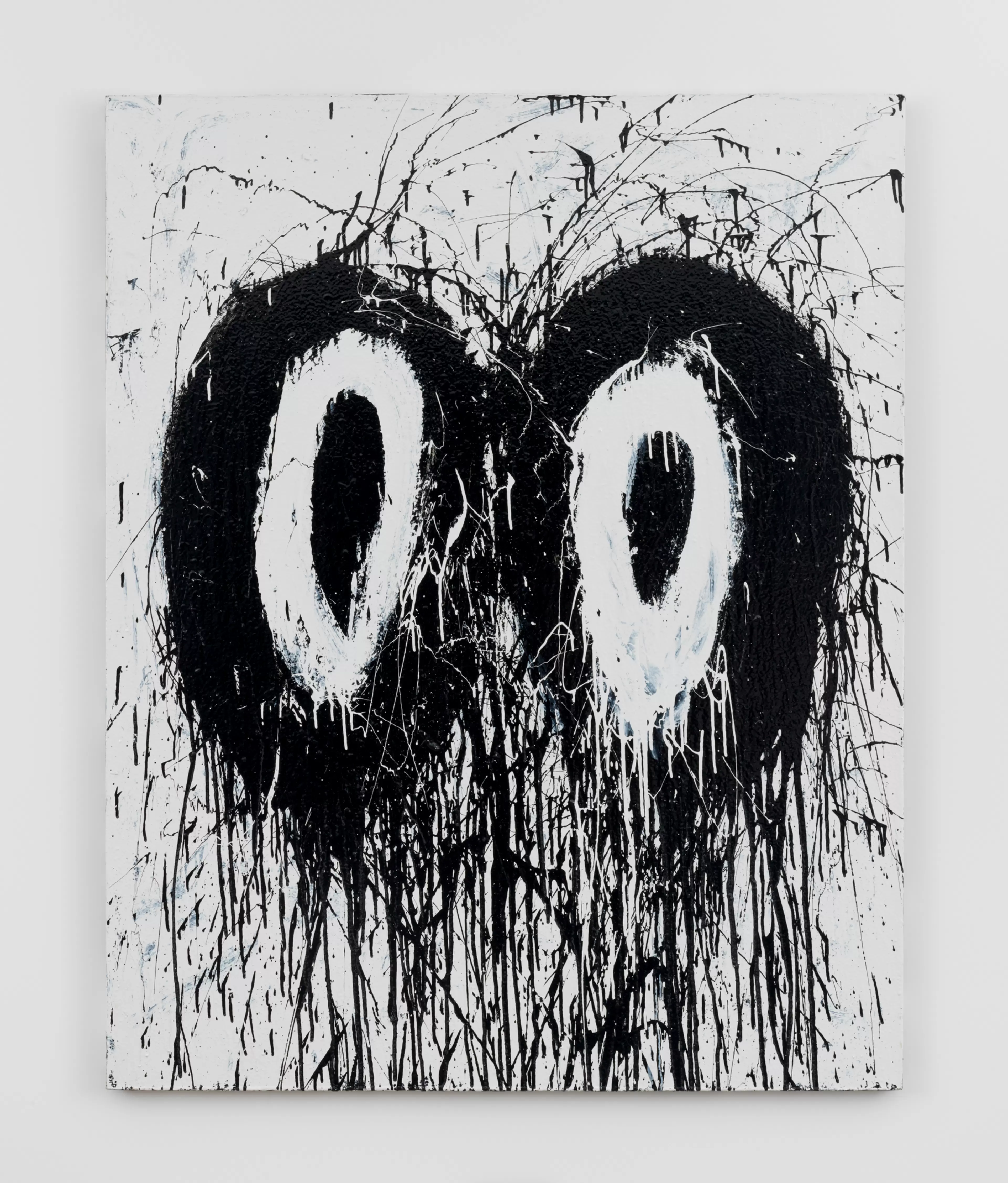
Joyce Pensato: ‘EYES FOR YOU’ at the Falckenberg Collection, Deichtorhallen Hamburg
News
Photo by ACARAJÉ Productions, Courtesy Lisson
As he completes new paintings for his solo show with Lisson at Frieze London 2026, Paula reveals the secret symbolism of his still lifes, and reflects on the deep responsibility he feels towards his subjects, reminding us, ‘I’m not giving you the paintings finished. I want you to complete them with your subjectivity, your world and its contents.’
Livia Russell Tell me about your new paintings for Frieze London.
Dalton Paula This series of paintings is inspired by Luiz Gama, a Brazilian lawyer who fought for the freedom of 500 enslaved people. Gama was born free and sold into slavery as a child. I paint the objects and environments that evoke Gama’s history, writings and freedom. When I began this series, I was thinking, how can I develop my work in a way that connects it to my land and my sense of belonging? I started working with Black bodies, which don’t physically appear in the paintings, but are suggested through details, such as a chair or a goat.
LR What are the objects you include in these still life paintings, and what significance do they carry?
DP The goat is really important in Afro religions as a symbol of healing and blessing. In one painting, I’ve painted the goat with a piece of okra in its mouth, a fruit that is traditionally presented to Xangô, the Yoruba god of justice. During Gama’s lifetime, ‘goat’ was used as a racial slur for people who were mixed race; even now in Portuguese it can signify the devil. The goat is an animal that can endure difficult conditions; it symbolizes resistance. The symbol of the glass of water has followed me for a long time. In Afro religions, the water, the plants, the wind, all these natural elements, are sacred. The glasses of water you see in my paintings act as an offering to bring healing from slavery and racism.
The chair figures in many of these paintings. I see it as a continuation of the body. I like the relationship between the brown chair and the Black body. I like the way the back of the chair partially obscures the background – as if you’re entering a more spiritual state. I’ve started to use the chair like an altar, placing objects upon it that hold a secret symbolism.
Read the full interview with Livia Russell for Frieze here.