Press
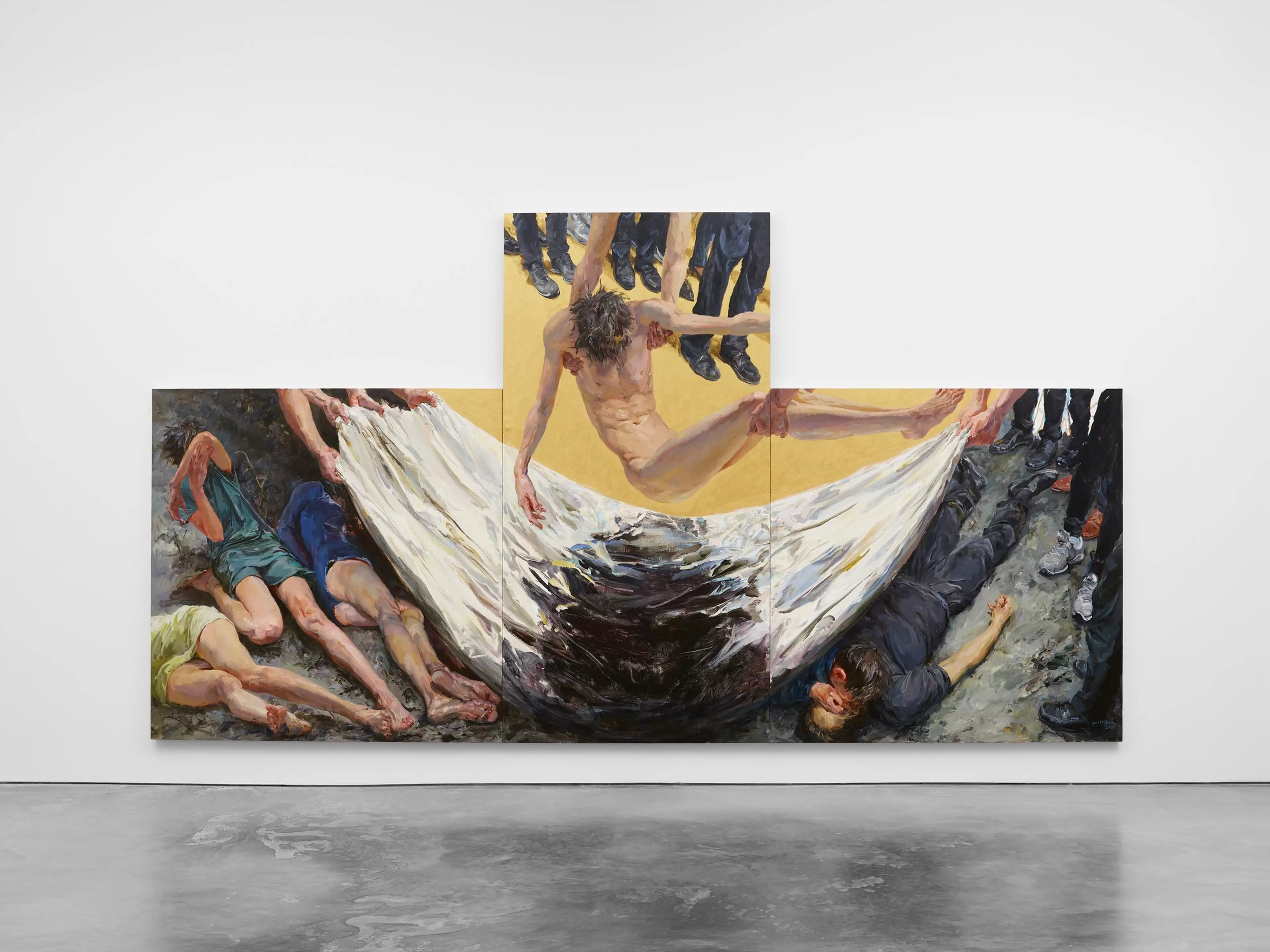
‘Yu Hong | Shedding, Leaking, Dragging, Unsheathing’ - Flaunt Magazine
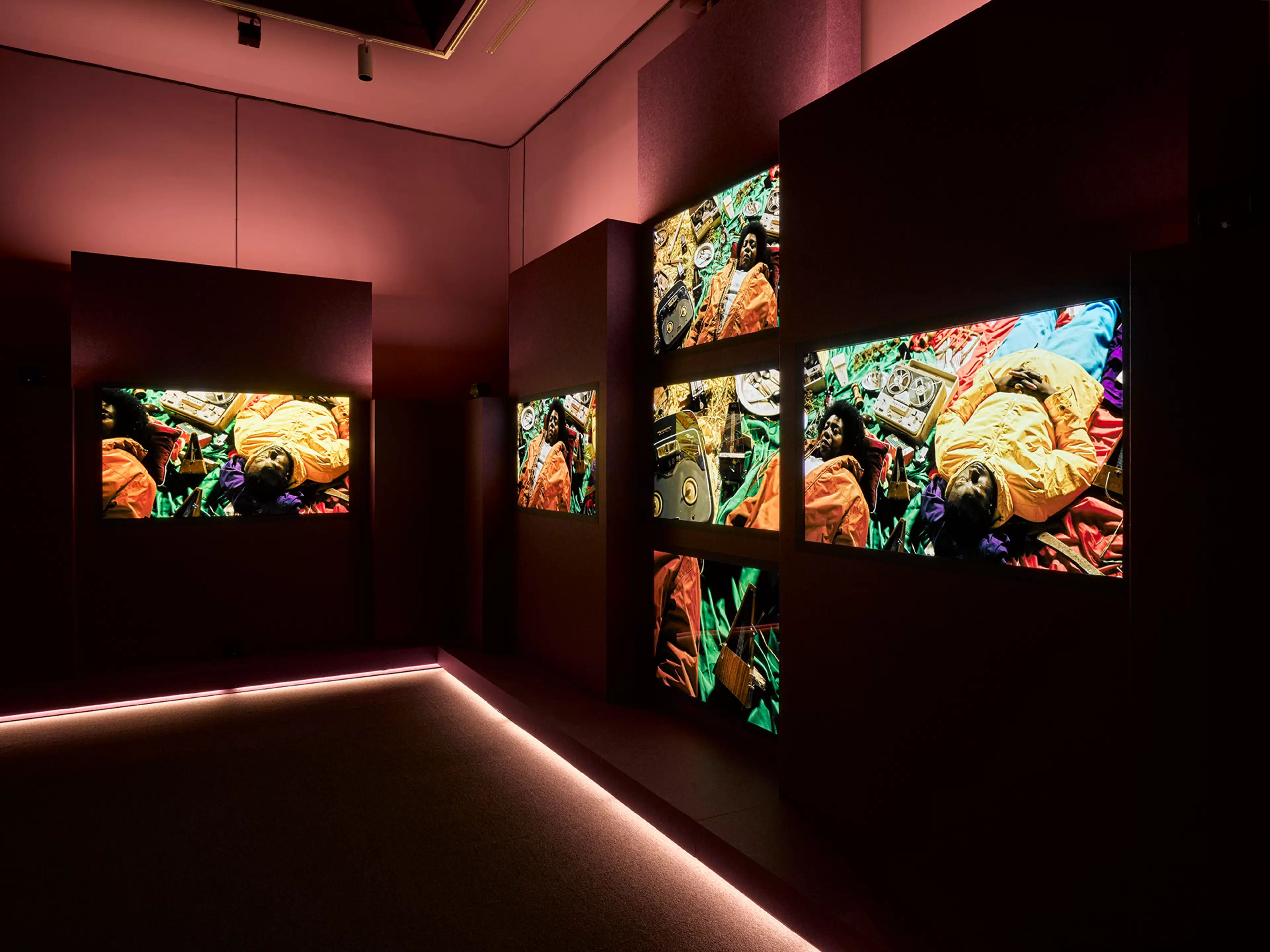
‘John Akomfrah: Listening All Night To The Rain’ at Dundee Contemporary Arts, Scotland
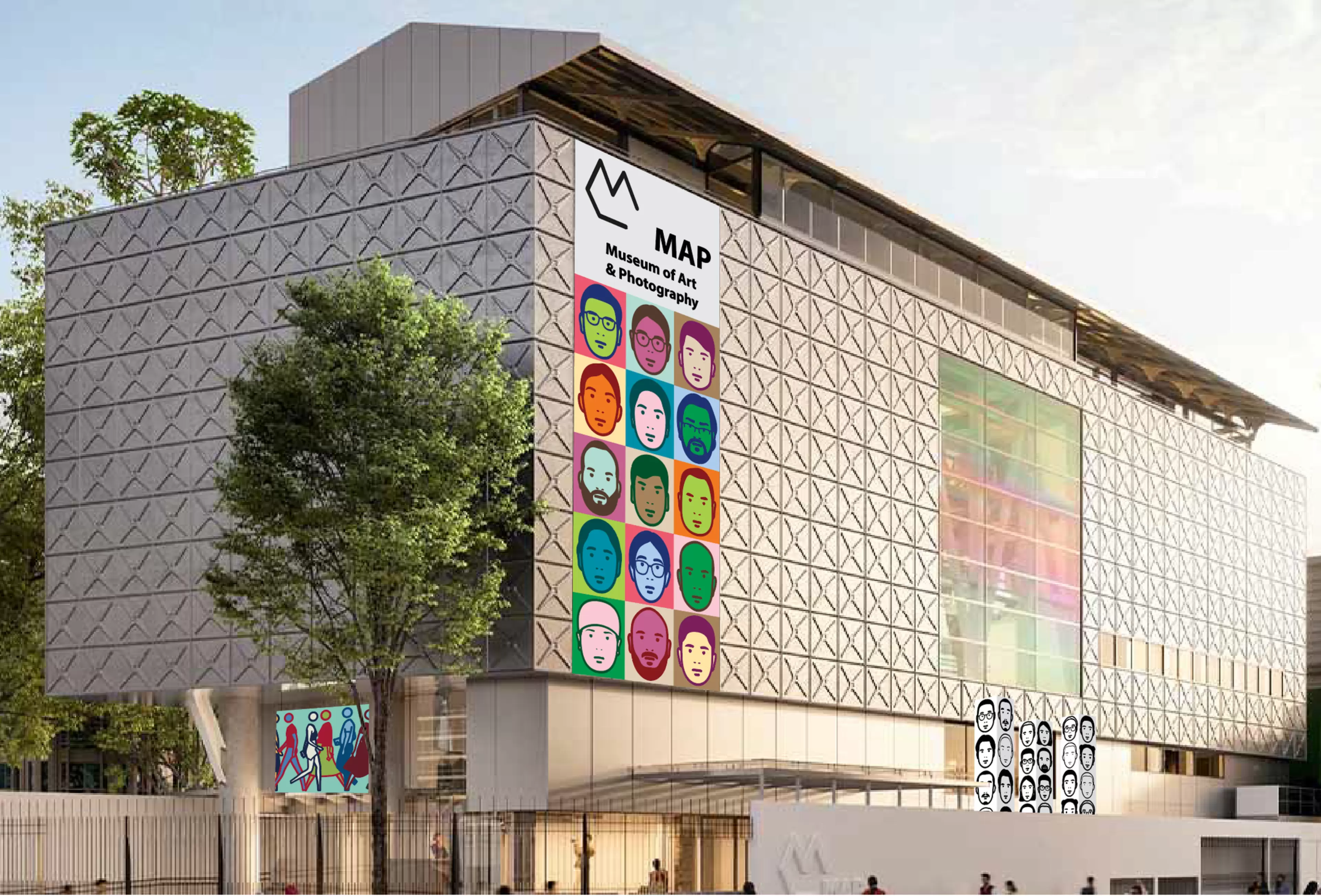
Julian Opie Presents ‘EVERYONE/EVERYWHERE’ at the Museum of Art & Photography, Bengaluru
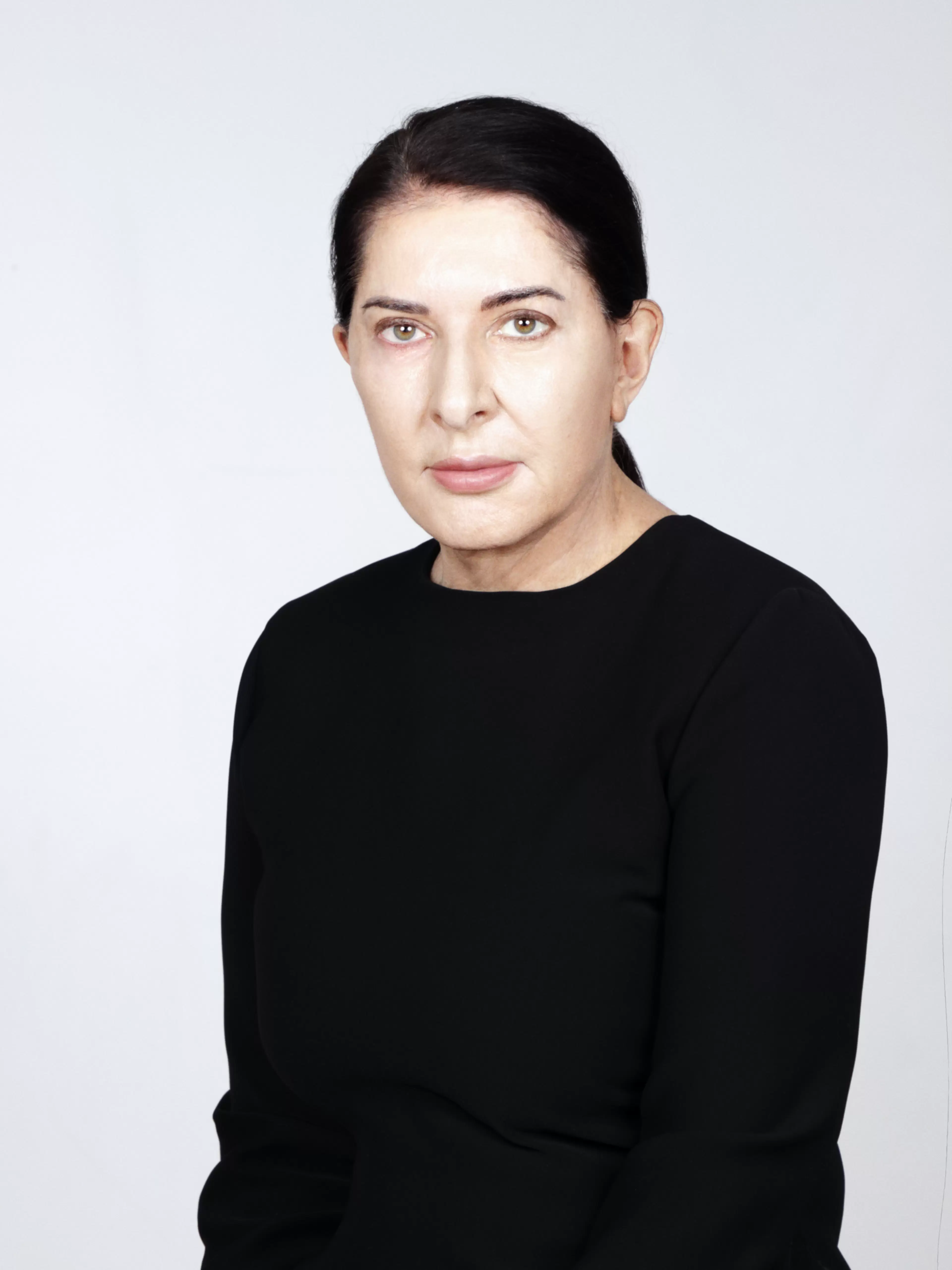
Marina Abramović’s ‘Balkan Erotic Epic’ at Park Avenue Armory, NY, USA
‘I’m really an artist’s artist’: an interview with Ryan Gander - Apollo Magazine
Laure Prouvost in permanent commission at JFK Airport Terminal 6, NY, USA
News
Yu Hong. “Lament,” (2025). © Yu Hong, Courtesy Lisson
“Hands flex and grasp onto one another—onto arms, legs, into mouths, around waists, dug into clothing. Bodies lie limp in surrender or maybe exaltation. Others climb, fall, float, and hold on. In Yu Hong’s Field of Asura, to be human, in a human body with human wants and needs and desires, is to engage in the generations-long struggle of what it means to be alive. The exhibition, Yu Hong’s debut at Lisson Gallery in New York, takes its title from an astral realm of perpetual conflict found in Buddhist and Hindu traditions, where demigods battle for supremacy over heaven and earth. Yet, at its core, this cosmic struggle is found in every human being who has lived through anything personal or planetary—as unifying as it is ruinous.
“I do not think the most fundamental aspects of human nature have changed very much,” Yu Hong says. “Human nature is rooted in a very basic logic of survival. First, we need to stay alive. Then we want to develop, to grow, and to realize our potential.”
Yu Hong has spent nearly four decades watching history inflict itself upon the human body. Born in Xi’an in 1966, the year of the Cultural Revolution began in China, and raised in Beijing, she came of age artistically inside a country undergoing enormous upheaval.Yu Hong’s work repeatedly brings events that unfold on the scale of nations back down to the scale of a single person. Political upheaval may affect millions at once, but it is experienced individually: through a body, a family, a memory, a life. When a child enters a world in flux, preoccupied by the political turmoil or economic restructuring or social change, their upbringing—like it or not—becomes intertwined with the bearing witness of the upbringing of a new world through nascency to adolescence to full-fledged, operational adulthood.
Her training at the Central Academy of Fine Arts in Beijing was grounded in Soviet-style realism, a dominant model in Chinese art-academy training at the time. Yet her own practice would eventually stretch that training across radically different visual worlds: Buddhist iconography, Renaissance and Baroque painting, news photography, family snapshots, surreal space, gold grounds, and, for a period, mediums including VR, resin, and silk.”
Read the full article by Abby Shewmaker via Flaunt Magazine.