Press
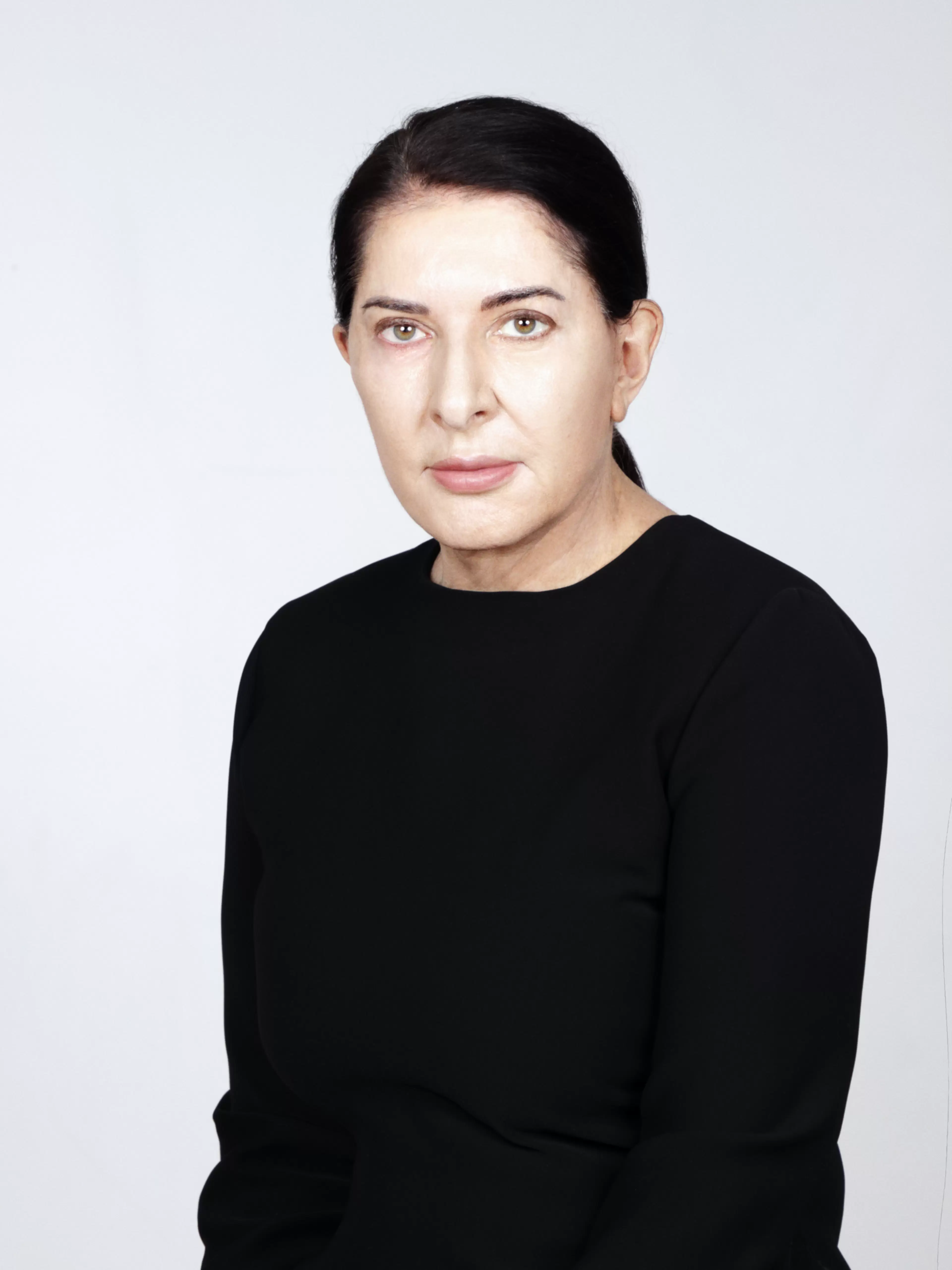
Marina Abramović’s ‘Balkan Erotic Epic’ at Park Avenue Armory, NY, USA
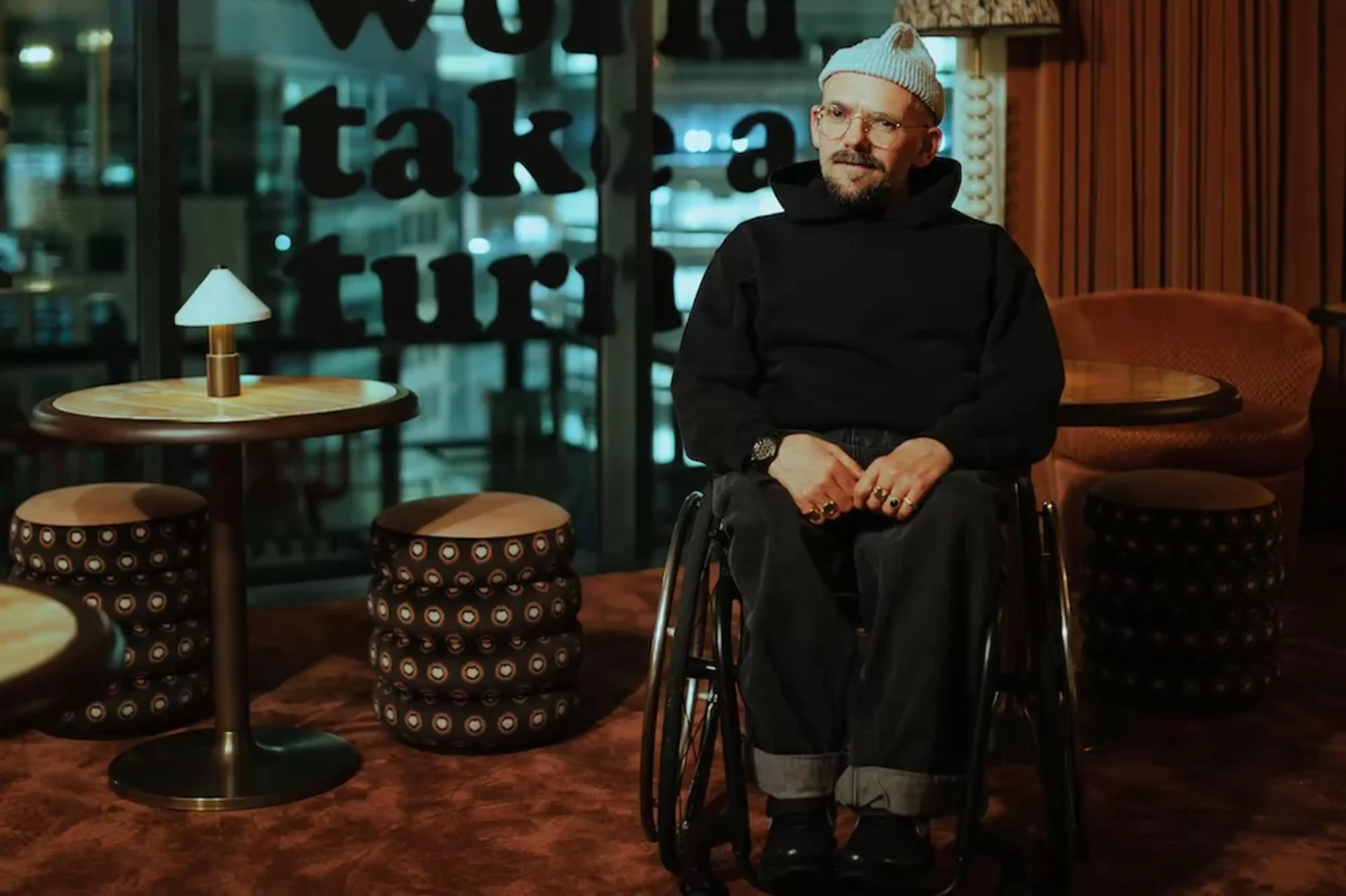
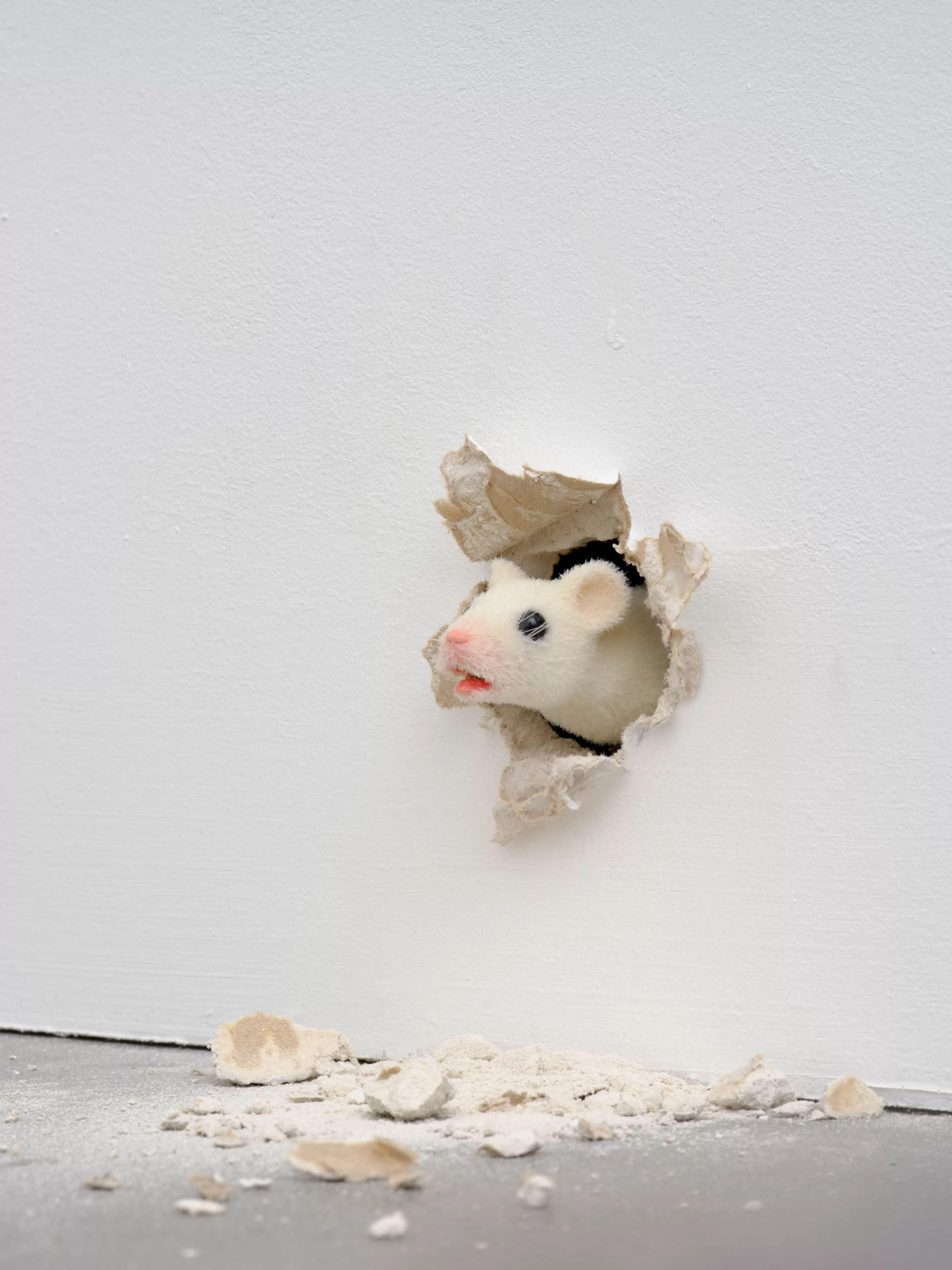
‘I’m really an artist’s artist’: an interview with Ryan Gander - Apollo Magazine
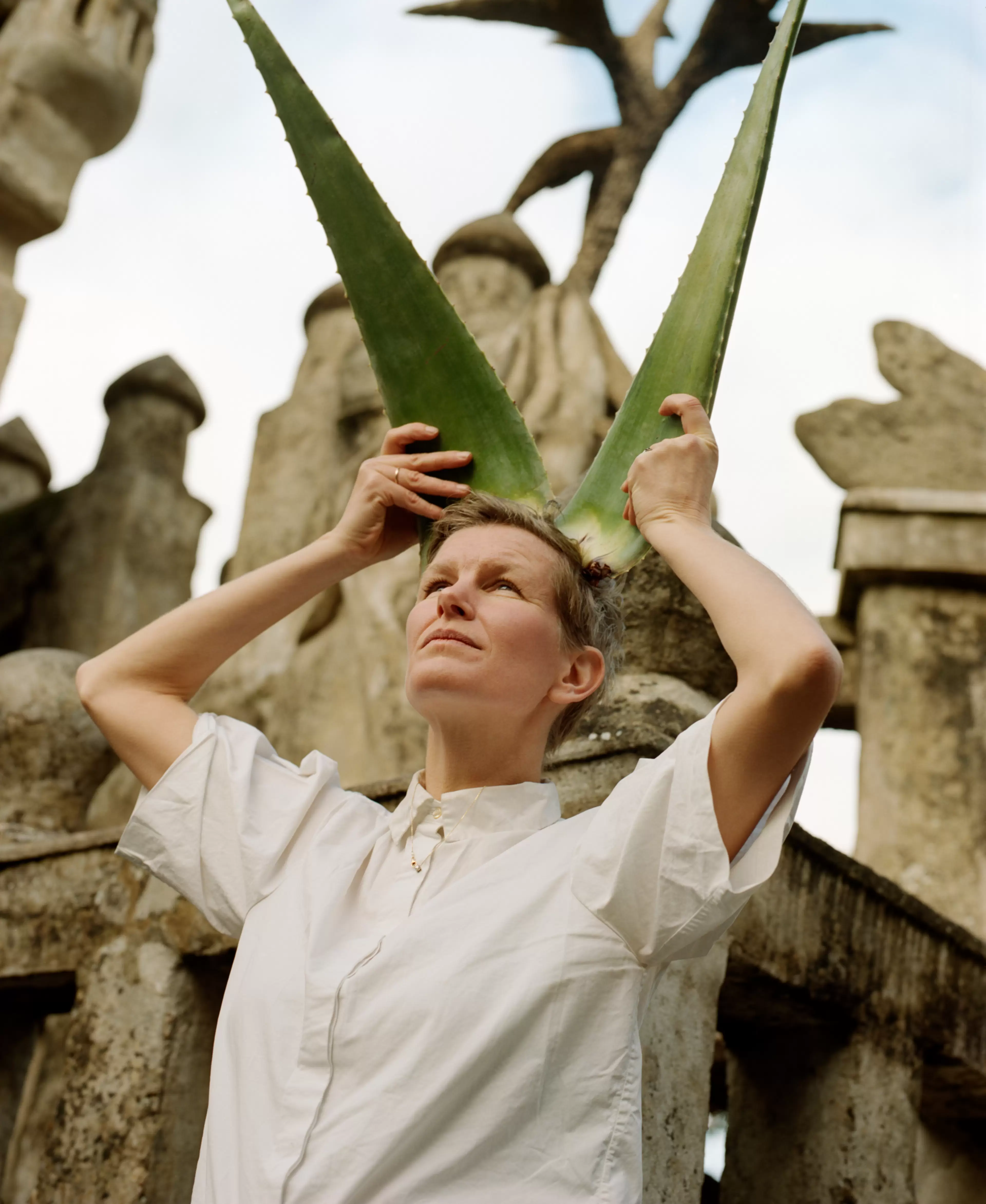
Laure Prouvost in permanent commission at JFK Airport Terminal 6, NY, USA
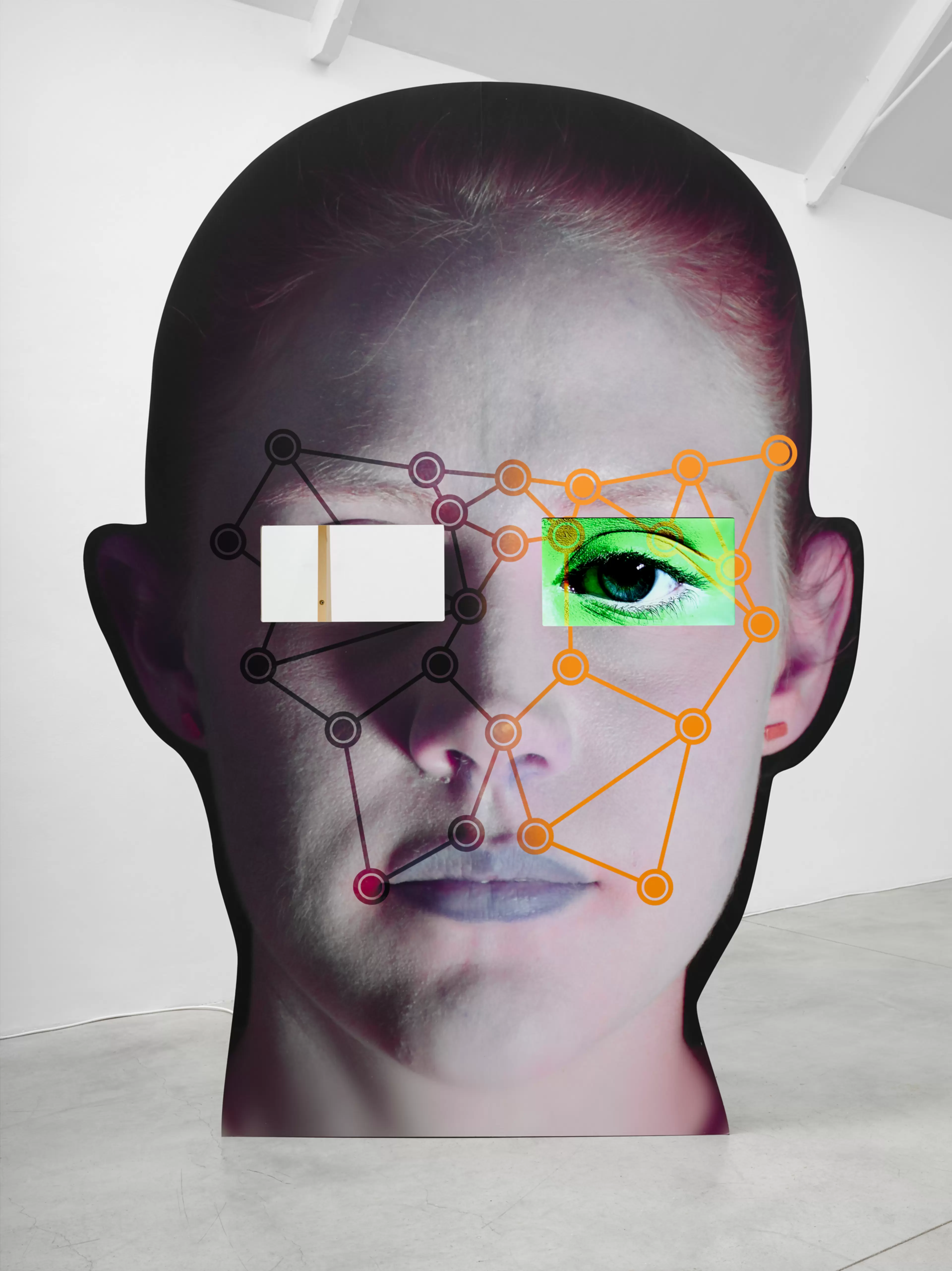
Tony Oursler and Toby Ziegler ‘The Dream of a Ridiculous Man’ at 10 Heddon Street, London
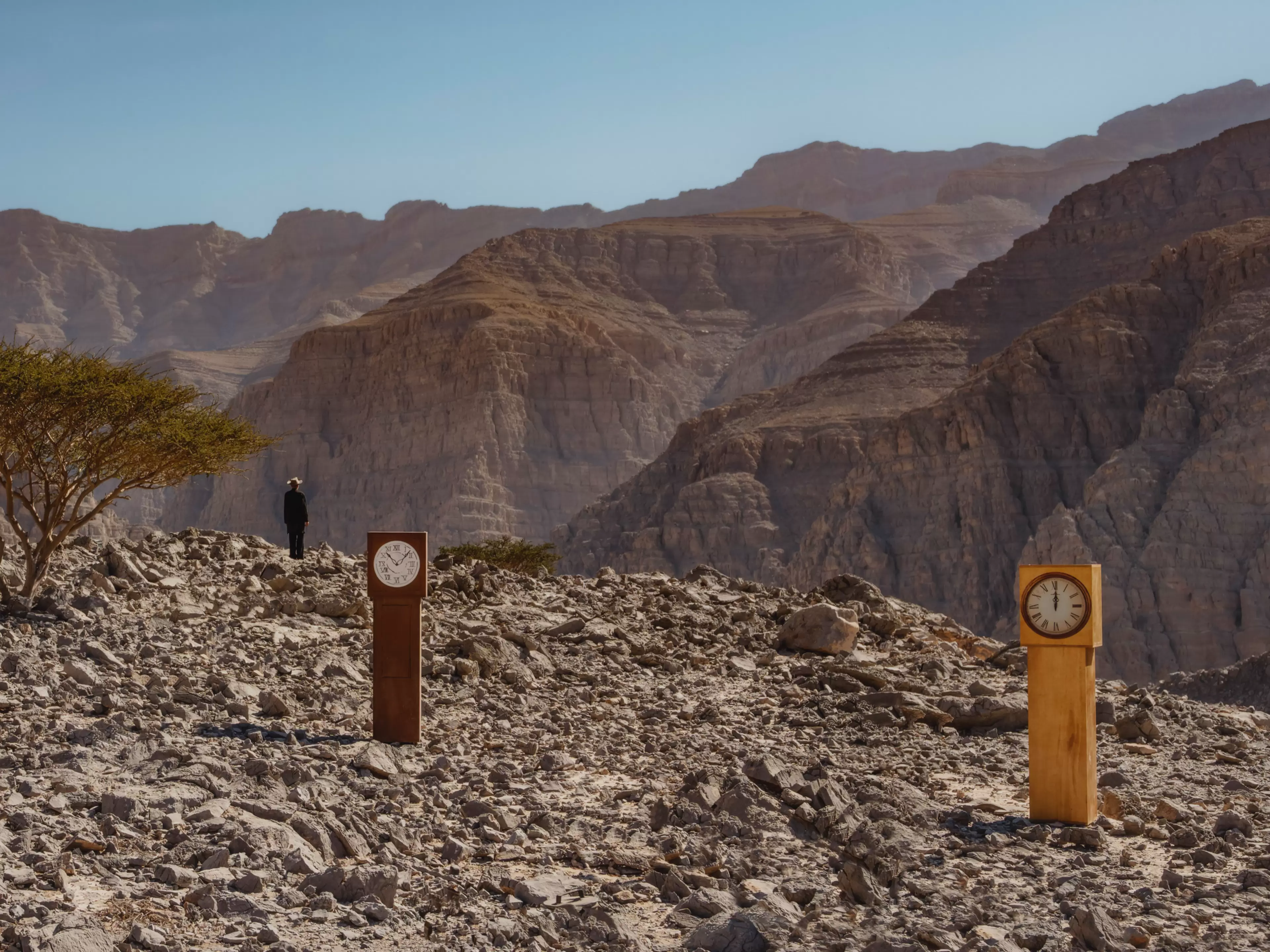
Lisson x RCA present Wild Woods Forlorn symposium with John Akomfrah, 26 November
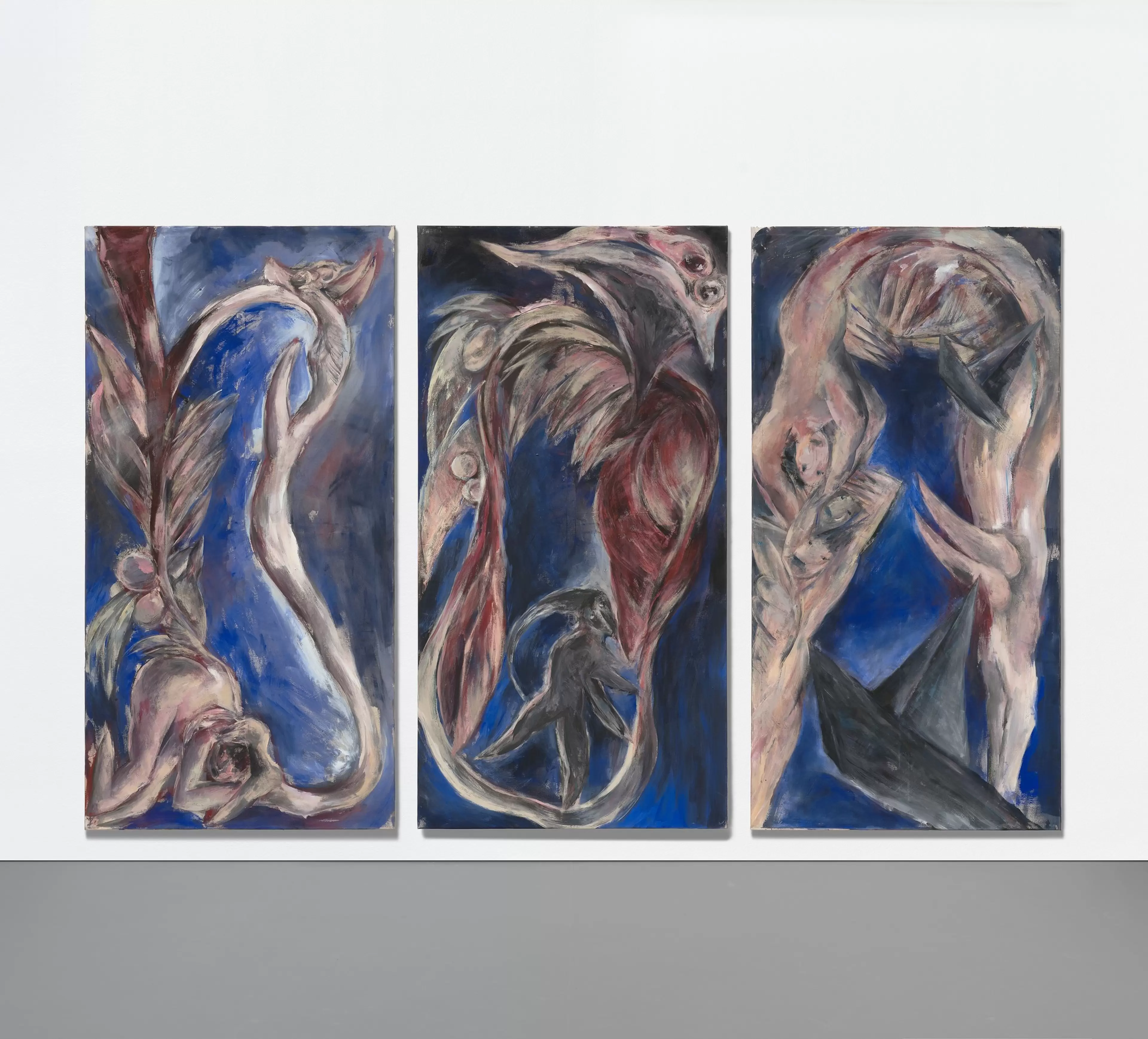
Leiko Ikemura and Marina Abramović Featured in ‘Feminist Futures Forever’ at Belvedere 21
News
Ryan Gander photographed by Jody Hartley. © Ryan Gander, Courtesy Lisson
“At the Towner, the works are arranged thematically. The gallery with the toys on the floor focuses on the importance of lifelong learning and maintaining a childlike curiosity about the world. ‘Prejudice comes from the fact that [as adults] we’re not close to the culture of education,’ Gander says. ‘We never re-ask ourselves questions because we think we know everything, even though the answers change constantly.’ Also on view are a selection of the paintings made with his son and a pair of bronze sculptures of Gander’s two daughters, Olive and Penelope, in fancy dress, their gazes fixed on brightly painted masks (also made from bronze) on the ground in front of them. The girls have picked out the fantastical outfits themselves, unfettered by social convention.
Another gallery deals with mortality and the threat of mass extinction: Gander is a firm believer that time ‘is our greatest asset’. ‘Obviously money is a great enabler, but I do think we’ve overfocused on wealth,’ he says. As well as a black carbon copy of an imagined funeral speech, there is the digital work *Ryan Waiting *(2024). On a halo of monitors, Gander’s avatar, created using motion-capture technology, moves around an empty white space in his wheelchair. The movements are generated by an AI algorithm which is set to run for 100 years, well past his own death. It’s intentionally dull to watch – a riposte to what he calls the ‘attention-seeking’ spectacle of much contemporary digital art. But for Gander the work is ‘harrowing and haunting’: a reminder that our time on Earth is finite.
In both conversation and writing, Gander is an articulate and convincing expounder of the ideas behind his work. You might wonder why he has opted for the primarily non-verbal discipline of art. But he loves being a contemporary artist because, in his experience, there are basically no restrictions on what you can do: you just need ‘the ability to see things that no one has seen before and the ability to will things into existence’. Here he invokes the concept of ‘reality distortion field’, first used by an Apple engineer in the 1980s to describe the quasi-magical manner in which Steve Jobs managed to convince other people that anything was possible.”
Read the full interview with Gabrielle Schwarz here.